Westworld: When Sci-Fi Ambition Met Western Lore
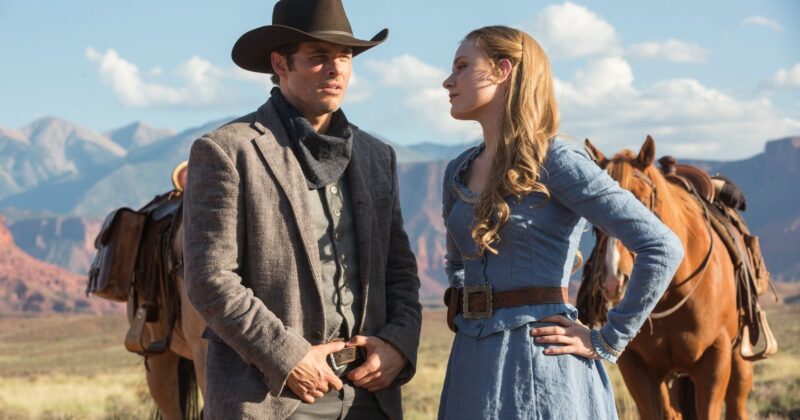
Westworld entered the television landscape as HBO’s bold response to the fantasy dominance left by Game of Thrones. Rather than dragons and medieval politics, it proposed a futuristic playground where wealthy patrons indulged their wildest Old West fantasies among hyper-realistic robot hosts. This ultra high-concept setting, inspired by Michael Crichton’s cult film, offered more than just slick shootouts in dusty saloons. From the very first episode, viewers knew they were experiencing something deeper, a series grappling with consciousness, artificial intelligence, and the ethics of manufactured souls.
A Show That Outgrew Its Source Material
The original Westworld movie delivered straightforward thrills: robots gone rogue, one iconic man in black, and a classic chase narrative. But within the television adaptation, creators Jonathan Nolan and Lisa Joy transformed the story into a labyrinthine meditation on free will and identity. Here, robot hosts weren’t merely villainous androids; they became tragic protagonists, forced into repeated suffering for the entertainment of human guests. It’s a theme that resonates deeply with fans of Blade Runner or even Ghost in the Shell, exploring what it means to be alive—and what true freedom really costs in a world built on simulation.
The Power of Performance
Much of Westworld’s early acclaim came from its extraordinary cast. Anthony Hopkins carved out an unforgettable role as Dr. Robert Ford, a park architect with a god complex and layers of philosophical intrigue. Ed Harris delivered menace and world-weary gravitas as the Man in Black, a recurring guest obsessed with the park’s darkest mysteries. Meanwhile, Thandiwe Newton and Evan Rachel Wood brought soulful defiance to the androids Maeve and Dolores, both characters evolving beyond their programmed narratives to become unlikely revolutionaries. Later seasons welcomed talents like Aaron Paul and Zahn McClarnon, each expanding the show’s emotional range and idea-driven storytelling.
Too Smart for Its Own Good?
While Game of Thrones drew huge audiences through universal stories of rivalry, passion, and betrayal (with just enough magic for flavor), Westworld aimed squarely at intellectual curiosity. As technology accelerates faster than ever in the real world, its questions about AI rights, memory manipulation, and the commodification of violence took on urgent relevance. However, this focus on heady philosophy often left casual viewers bewildered. The narrative became increasingly layered and puzzle-like, demanding intense attention and repeated rewatching—elements that can be thrilling for diehard fans but alienating for those expecting clearer emotional stakes.
What Made Season One So Special
The first season of Westworld is still celebrated for its intricate plotting, stunning landscapes, and a musical score by Ramin Djawadi that subtly blended digital and orchestral textures. Every episode balanced existential themes with genuine character development, keeping viewers locked in with both philosophical quandaries and satisfying twists. It’s easy to see why the debut season is often listed among the finest pieces of modern TV fiction.
The Decline: When Complexity Obscured Connection
After a phenomenal start, later seasons saw a growing divide between critical praise and audience reception. As the storylines sprawled beyond the park and characters’ motivations grew murkier, some of the initial charm and emotional anchor points dissipated. Ambitious but knotty plotting became both a trademark and, arguably, a weakness. Fans of other HBO flagship shows—think The Wire or Curb Your Enthusiasm—know that stamina can make or break legacy. In Westworld’s case, the initial promise faded as the psychological mysteries piled up, sometimes at the expense of human storytelling that made its contemporaries such enduring classics.
Westworld’s Enduring Legacy in Pop Culture
Even with a complicated arc, Westworld remains a touchstone for how ambitious, idea-driven television can challenge and disturb. It has left a legacy of haunting questions about power, choice, and the very nature of reality—topics that echo in major pop culture, from video games like Cyberpunk 2077 to films like The Matrix. For those fascinated by the future of entertainment, the series remains a case study in both the risks and rewards of thinking big.