What Mike Flanagan’s Carrie Reboot Needs to Get Right for a New Generation

An Iconic Stephen King Story Reimagined for Today
When the new «Carrie» series by Mike Flanagan was announced, it joined the ongoing wave of Stephen King adaptations. However, this reboot has a unique challenge: updating the visceral horror classic for a generation defined by digital life and social media. With the legacy of King’s 1974 debut novel looming large, and several adaptations already behind it, there’s genuine anticipation for how Flanagan will reinvent the story for the present day.
The Weight of Modern Bullying
At the heart of «Carrie» is the devastating impact of bullying. The original story’s depiction of isolation and cruelty hit hard, but bringing this trauma into the era of smartphones and social platforms has the potential to be even more disturbing. Unlike in previous adaptations set decades ago, Carrie’s suffering won’t end when she leaves school. Cyberbullying is relentless, often haunting victims day and night. The series will need to show these modern pressures authentically, portraying how horrifying and inescapable bullying can be for today’s teens—and why that makes Carrie’s ultimate snap so tragic, rather than monstrous.
Margaret White: Religious Mania as Horror
An essential pillar of Carrie’s character is her mother, Margaret White, whose religious fervor veers into the sadistic. In the hands of Samantha Sloyan—already an unsettling presence in genre hits like «The Haunting of Hill House» and «Midnight Mass»—fans can expect a nuanced, terrifying performance. Margaret’s belief that menstruation is a sin and her refusal to educate her daughter about her own body not only serve as a backdrop for horror, but highlight how ignorance and fanaticism breed trauma. This theme remains as urgent now as ever, with Flanagan likely to amplify its relevance for contemporary audiences.
Grace in Small Moments
Despite the unrelenting horror, «Carrie» offers subtle glimpses of hope. There’s a barely-perceptible moment of kindness when a classmate from another school treats Carrie with unexpected friendliness at prom. Though brief, it is crucial: it reminds us that Carrie’s pain isn’t inevitable, and enrages viewers by underscoring how needless her ostracism is. Preserving and expanding this scene will highlight the tragedy at the novel’s core, and deepen our empathy for the shy, traumatized protagonist.
Iconic and Haunting Visuals
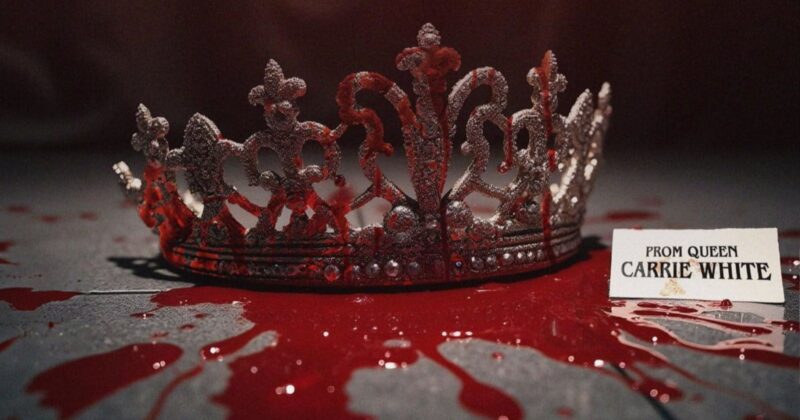
Flanagan is renowned for creating imagery that lingers in the mind. While the blood-soaked prom scene is forever etched into horror history, another chilling icon looms large—a near life-sized crucifix in Carrie’s home, modeled after real decor from King’s childhood. Expect Flanagan’s interpretation to push even further visually, capitalizing on his talent for crafting sequences that are as beautiful as they are disturbing.
Masculine Threats and Modern Cultures
The original story focused mainly on female cruelty. However, contemporary concerns—including toxic online subcultures targeting young men—offer fertile ground for fresh commentary. It’s plausible that this adaptation will explore the darker aspects of modern masculinity and violence, adding another layer to the already volatile social environment Carrie faces. The addition of these themes could make the show’s dangers feel more relevant and unpredictable.
Restoring Carrie’s Telepathy
While telekinesis is Carrie’s signature power, Stephen King’s novel includes a telepathic bent that has often been ignored in screen versions. The ability to project her pain into the minds of bystanders and tormentors alike deepens both her revenge and the horror for viewers. Expect Flanagan to revisit this element, possibly drawing inspiration from the 2002 adaptation, where Carrie’s telepathy forces others to confront her suffering in the most intimate, inescapable way possible.
Sue Snell and Tommy Ross: Good Intentions or Plotting?
Another point of ongoing debate is Sue Snell’s role in offering Carrie a prom date via her boyfriend, Tommy Ross. In the book, Sue’s motives are clear—genuine remorse and a desire to atone. However, earlier adaptations often left viewers guessing about her intentions, sowing seeds of ambiguity. Whether Flanagan chooses to clarify or leave these motives open-ended, this dynamic will be essential for understanding Carrie’s sense of betrayal and trust.
The Catastrophic Aftermath
“Carrie” doesn’t merely end in bloody destruction at the prom; it’s a full-scale psychic eruption. The novel and some adaptations show Carrie’s rage consuming not only her tormentors, but the whole town. Whether the series leans into this apocalyptic scope or opts for something more intimate, it may define its place within the modern horror landscape. With Flanagan at the helm and a fresh temporal context, the story stands poised to challenge and captivate a new generation, blending supernatural spectacle with contemporary anxieties in a way that will resonate far beyond the screen.