What Rewatching Every Nightmare on Elm Street Film Teaches You About Freddy Krueger and Horror Iconography

Rediscovering Freddy: A Journey Through the Nightmare on Elm Street Saga
No other horror franchise embodies an evolution of genre, myth, and cultural resonance quite like Nightmare on Elm Street. Watching every film in the series, from the original to its far-reaching sequels and reboot, offers a masterclass in how horror icons are sculpted by both creators and audiences over time.
The Birth of a Silent Monster, and Freddy’s Transformation
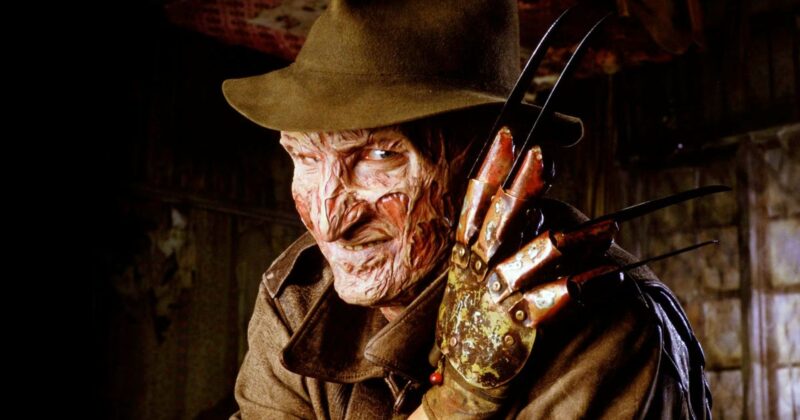
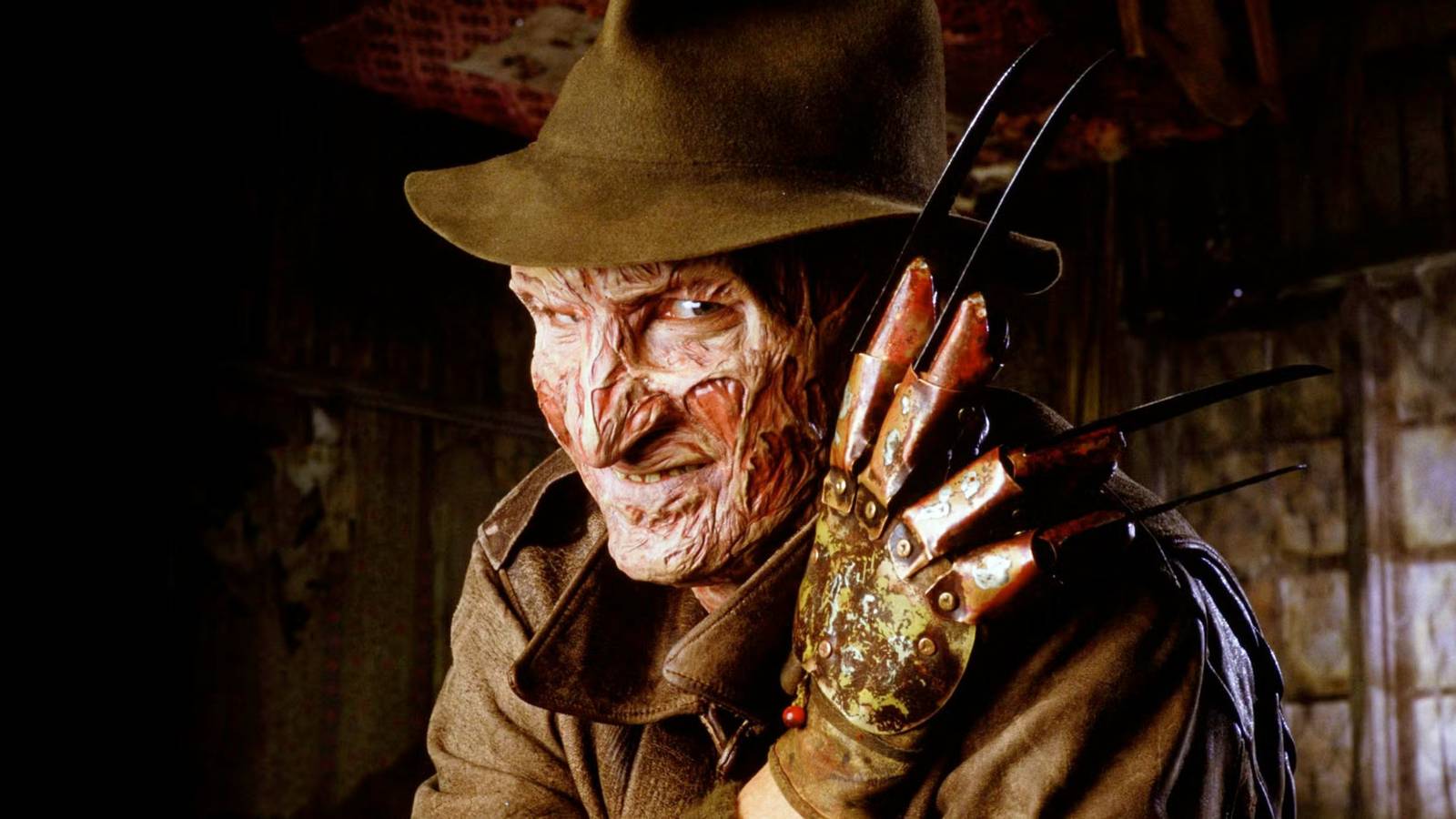
It’s easy to associate Freddy Krueger with wisecracks and twisted humor, but going back to the first entry reveals a starkly different tone. In A Nightmare on Elm Street, Freddy is shadowy and fearsome, barely speaking, embodying a primal terror rather than the showman villain he would become. By the time Dream Warriors rolls around, the metamorphosis is complete: Freddy delivers outlandish lines and orchestrates kills with sinister theatrics. This shift didn’t just set Freddy apart from silent antagonists like Michael Myers or Jason Voorhees—it made him a spectacle, blurring the line between slasher and dark fantasy.
The Morphing Mythology of Freddy Krueger
The backstory of Freddy has been quietly but consistently rewritten, reflecting both societal sensitivities and a growing need to humanize the villain. Originally conceived as a far more traumatic figure, his infamous origin was softened for audiences, and subsequent films embedded layers of tragedy and shocking parentage. By the later entries, Freddy is painted as the ‘son of a thousand maniacs,’ a trope that brings gothic horror and melodrama squarely into slasher territory. These retcons not only broaden the lore but transform Freddy into a product of trauma and horror in more ways than one.
Robert Englund: The Reluctant Star Who Became the Franchise
Few performances in horror are as synonymous with their character as Robert Englund’s embodiment of Freddy Krueger. Surprisingly, rewatching the films in order uncovers that Englund was not immediately recognized as the star power of the saga. Early credits focused on the young cast, relegating Englund to the background. Yet, as the series progressed, it was undeniable—audiences ultimately came for Freddy and, unmistakably, for Englund’s magnetic presence. His elevation to top billing marked Nightmare’s transition from ensemble slasher to a character-led dark fantasy.
The Franchise of Many Faces—And Genres
One of the greatest joys of revisiting the Nightmare series is noticing how each film dares to invent its own visual and tonal identity. From the anatomical surrealism of the original to the codified queer subtext of Freddy’s Revenge, through the comic-book inspired dreamscapes of Dream Warriors, and into the MTV-saturated style of The Dream Master, the franchise has never feared reinvention. The Dream Child leans deep into gothic motifs, Freddy’s Dead goes full camp with its absurdist comedy and 3D set pieces, while Freddy vs. Jason turns the showdown into a monster mash for the ages. Even the much-discussed reboot tries to ground Freddy in darker realism, though fan reception remained a challenge.
Why Dream Warriors Sits at the Apex
Ask any horror devotee and you’ll likely hear Dream Warriors named as the pinnacle of the series. This entry brings together all the narrative elements in perfect harmony—horror, humor, inventive set pieces, and, crucially, the idea that victims (now dream warriors) have agency. It builds on the original’s mythos, welcomes back beloved characters, and delivers nightmare sequences that still stand as genre landmarks. The confident integration of imaginative powers for the teens feels reminiscent of comics and RPG logic—a nod to broader pop culture of the time.
The Irreplaceable Robert Englund Dilemma
A key realization emerges: while slasher icons like Michael Myers or Ghostface can be recast thanks to their mask and silence, Freddy Krueger is inseparable from Englund. The 2010 reboot, featuring Jackie Earle Haley, tried a darker approach but couldn’t shake the shadow of Englund’s legacy. Freddy’s identity is in the face, the voice, the ghoulish charisma—an almost theatrical presence that’s impossible to replicate by design.
Star-Maker: Elm Street’s Surprising Alumni
Beyond Freddy, the franchise has quietly served as an unlikely launchpad for actors. Johnny Depp’s career notably kicked off with his bloody demise in the original ‘Nightmare,’ and numerous other cast members would later find fame in television and film. The series thus doubles as a time capsule, capturing not just horror trends but the early moments of future stars.
Rewatching the Nightmare on Elm Street series isn’t just revisiting horror for horror’s sake. It’s an exploration of genre adaptation, the evolving expectations of audiences, and the creation of one of pop culture’s most enduring villains—each entry a testament to the protean nature of storytelling and the indelible mark of Englund’s Freddy.