Whistle: A Stylish New Horror That Echoes Old Terrors
When a supernatural horror film is directed by Corin Hardy, the filmmaker behind The Nun, expectations soar, especially within a genre that thrives on reinvention and anxiety. Whistle, fronted by rising star Dafne Keen and seasoned comedic actor Nick Frost, arrives with the promise of a haunting rooted in ancient Aztec lore—and yet, for many horror aficionados, it rings almost too familiar.
A Haunting Echo of Final Destination
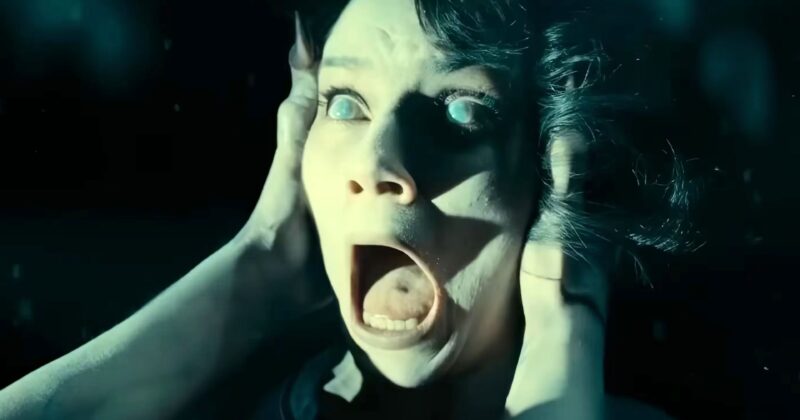
Whistle centers on Chrys Willet (Keen), a high schooler with a shadowy past who inherits a school locker previously owned by Mason «Horse» Raymore. The terror is swift, immersive, and gruesome—Raymore is brutally attacked in an opener that sets a relentless tone. But the true curse is unleashed with a mysterious death whistle, shaped like a skull, that marks anyone who hears it for a grisly fate.
For long-time horror fans, this conceit is pure déjà vu. Final Destination established the now-iconic concept of fate-as-villain, a theme returning here with only cosmetic differences. Instead of death’s intricate design, we have a cursed artifact. While the film gently nods to occult practices and references the Olmec civilization, this world-building never breaks the surface, leaving historical and cultural depth untapped.
Where Inspiration Stops and Imitation Begins
Borrowing cues from franchise staples can be a strength in horror, a genre that recreates itself with every new wave. However, Whistle steps perilously close to retread. Its narrative is structured almost beat-for-beat on the template established by Final Destination—an ancient curse, a domino line of fatalities, friends racing against a fate they barely grasp.
Where it could have truly diverged—by exploring the Aztec and colonial mythos or deeply integrating the lore that the whistle represents—the film instead treats these details as little more than flavor text. This decision, intentional or not, misses an opportunity to carve out something memorable in the horror canon.
Kills That Satisfy But Struggle to Stand Alone
Still, Whistle doesn’t disappoint when it comes to on-screen carnage. One memorably grotesque moment sees Nick Frost’s character facing his burnt, lung-diseased future self—an image that lingers for fans of visceral cinema. The set pieces are elaborate, bloody, and visually arresting.
But spectacle alone cannot sustain a film’s identity, especially for an audience that has become increasingly savvy with genre trends. Without strong emotional stakes or narrative innovation, these scenes—however well-crafted—begin to blur together, lacking the connective tissue of a fresh take or a thematic throughline. The personal struggles of Chrys, including themes of recovery and guilt, are present but never truly plumbed for emotional resonance. Even her relationship with Ellie (Sophie Nélisse) comes across as undercooked, limiting the emotional investment the story could inspire.
A Twist That’s All Too Predictable
As Whistle approaches its climax, it teases a twist reminiscent of the classic flight survivors’ loophole in Final Destination—temporary death as a way to cheat the curse. Any hope for disruption or subversion quickly fades, as audiences will likely see the resolution coming from miles away.
The feeling is one of missed opportunity. There is artistry in the execution and genuine escalation in its set pieces, yet for seasoned horror fans, Whistle serves as a reminder that inspiration, if not paired with originality, can feel more like imitation than homage.