The Anatomy of a Modern Puzzle: Inside James Mangold’s Cult Classic
Murder mysteries aren’t just about whodunnit—they’re about how and why the puzzle comes together. With the film Identity, director James Mangold crafted a nightmarish thrill-ride that pushes the boundaries of the mystery genre into psychological territory rivaling classic titans like Murder on the Orient Express while infusing it with a nerve-taut, cinematic intelligence more attuned to the modern era.
A Desolate Motel, Archetypes Unraveling
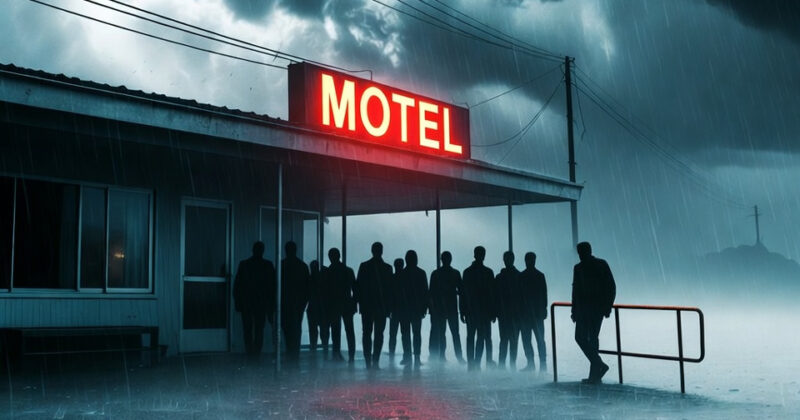
The storm-lashed Nevada desert becomes a stage where ten strangers, apparently chosen at random, find themselves stranded in a rundown motel. At first, it’s familiar territory: the chauffeur, the cop, a Hollywood actress, newlyweds—all seemingly drawn from the genre’s archetypal playbook. But as the rain intensifies and the bodies begin piling up, Mangold systematically picks apart each character’s surface identity, revealing deeper faults and anxieties underneath. This is no campy horror spectacle; it’s a tightly coiled exercise in suspense and paranoia, where every suspicious glance and offhand remark is a clue, or perhaps a misdirection.
James Mangold’s Signatures: Flawed Humanity and Brutal Tension
What sets Identity apart is Mangold’s signature approach—his films, from Cop Land to the existential step-downs of Logan and Walk the Line, frequently orbit deeply flawed characters. Here, he deftly bridges classical murder mystery elements with the adrenaline and unpredictability of post-1990s thrillers. The film’s momentum isn’t just from its plot—it’s from the mounting psychological pressure inside and outside the motel’s walls, amplified by sharp performances from John Cusack, Ray Liotta, Amanda Peet, and Pruitt Taylor Vince.
Noir Roots, Postmodern Anxiety
At its core, Identity is a love letter to the locked-room tradition: the ticking clock, the shrinking suspect pool, and a series of cryptic clues that promise bold answers. But this is filtered through a 21st-century sensibility where mental instability and unreliable narration replace old-fashioned alibis, making the entire narrative a hall of mirrors. Mangold intercuts the main action with a shadowy courtroom sequence, further muddying the boundaries between reality and illusion and disorienting the viewer almost as much as the film’s desperate characters.
The Twist That Redefined the Genre
No discussion of Identity can ignore its audacious third-act twist. Rather than merely unmasking a killer, the film detonates expectations, revealing that everything the audience thought they understood may be only a layer of a much deeper psychological labyrinth. For those new to high-concept thrillers, this twist is both exhilarating and destabilizing, prompting a rewatch to uncover all the expertly embedded clues missed the first time around. Indeed, every viewer’s experience hinges on this reveal: for some, it’s a masterstroke; for others, it treads dangerously close to genre-bending excess.
The Impact: Why ʻIdentityʼ Still Resonates
Contemporary thrillers continue to chase the shockwaves that Identity unleashed. Its blend of claustrophobic atmosphere, innovative script construction, and psychological sleight-of-hand has made it a reference point for modern mystery films. Today, as stories like Knives Out and streaming-era ensemble pieces riff on similar conventions, Mangold’s masterpiece remains a fierce, nervy benchmark that invites comparison and inspires debate. Few thrillers encourage audiences to watch their own suspicion so closely—or reward them so handsomely for paying attention to every seemingly minor detail.