Aaron Paul: Beyond Breaking Bad’s Jesse Pinkman
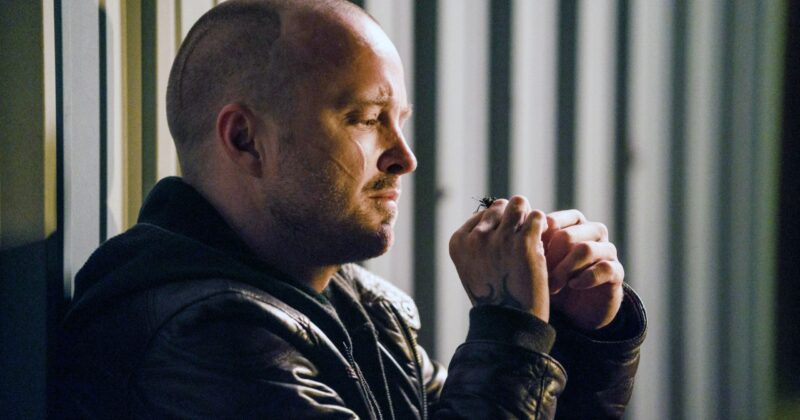
For over a decade, Aaron Paul has been synonymous with the unforgettable Jesse Pinkman from Breaking Bad. Yet, while Jesse remains one of recent television’s most captivating antiheroes, Paul’s most intriguing work post-Blue Meth actually resides in the realm of futuristic dystopia: Westworld. As fans reminisce about Pinkman’s profound character arc—brutal, raw, and beautifully concluded—there’s a compelling argument that Paul’s true unfinished business is with another role entirely: Caleb Nichols.
The Complex Layers of Caleb Nichols in Westworld
Caleb Nichols joined the story at the very moment Westworld broke out of the park and into the sprawling, tech-dominated real world. Gone were the days of robotic hosts trapped in endless loops. Now, the spotlight turned to humans, wittingly or not, trapped by forces like predictive artificial intelligence and algorithmic fate. Enter Caleb: a war-scarred ex-soldier, construction worker, rebel—and yes, a criminal by necessity, not by malice.
What makes Caleb stand out is his painfully human backstory. He isn’t just a pawn for Dolores’s revolution: he’s a veteran molded by trauma, manipulated by nascent quantum AI, forever haunted by the memory of betraying his closest friend. These scars define him, but they do not limit him. Indeed, Paul delivers a performance laced with fatigue and quiet defiance, making Caleb both deeply relatable and unpredictable—qualities rarely seen in genre television at this scale.
Parallel Journeys: Caleb and Dolores
Caleb’s transformation mirrors that of Dolores Abernathy’s quest for autonomy, yielding some of the show’s most stirring moments. As he moves from the brink of resignation to the resolve to fight oppressive systems—both digital and societal—viewers witness not only his redemption, but also a rare optimism in a typically dystopian narrative. Paul’s nuanced take adds emotional weight to the show’s high-concept themes, such as free will, surveillance, and the boundaries between man and machine.
Why a Caleb Comeback Matters More Than More Jesse
Breaking Bad faithfuls have already been treated to a complete Jesse journey, spanning not just the original series but also El Camino and memorable crossovers in Better Call Saul. Jesse’s painful evolution—from torn-up street kid to scarred survivor—was given the closure it so richly deserved. While the success of anything Breaking Bad related means studios will always toy with spinoffs, the story has said its farewell to Jesse. The longer his curtain call is resisted, the more powerful that goodbye remains.
By contrast, the tale of Caleb Nichols is unfinished. The final season of Westworld unexpectedly left fans at a crossroads: the future hinted at in the season’s closing moments—anew park envisioned by Dolores, the existential stakes for hosts and humans alike—begged for further exploration. With Caleb’s fate uncertain and so much world-building left to unpack, there’s no question that the character holds untapped potential.
The Value of Unfinished Stories in Sci-Fi TV
Across the technological thriller genre, rare are the series that dare to dig into the everyday, blue-collar perspective, especially when mapped onto themes of AI, war, and rebellion. Westworld’s later seasons asked bold questions about agency and control, and Paul’s presence gave those questions a relatable human face. If HBO or another studio were to revive the series or spin it off, revisiting Caleb would offer not only the chance to deepen this ambitious storytelling—but to showcase Paul at his dramatic best.
Westworld remains a goldmine of ideas, and Caleb Nichols stands at its core as a character both wounded and undaunted, ready for another chapter.