The Emotional Depth Behind 'All in the Family': When Comedy Goes Profound
Long before sitcoms routinely explored complex social issues, 'All in the Family' stood out for balancing biting humor with moments of raw, emotional honesty. Set in working-class Queens, New York, the Bunker household became a living reflection of America’s evolving values, navigating taboo topics with a mixture of laughter, confrontation, and compassion that was nearly unheard of for its era.
Edith and Louise: Redefining Female Friendship on Broadcast TV
While Archie Bunker (brilliantly portrayed by Carroll O'Connor) and George Jefferson (Sherman Hemsley) often clashed with comedic bravado, it was the quiet yet impactful bond between Edith Bunker (Jean Stapleton) and Louise Jefferson (Isabel Sanford) that pushed the boundaries of authentic television storytelling. Their friendship grew organically across seasons, culminating in an unforgettable moment that many fans still cite as the show's most touching scene.
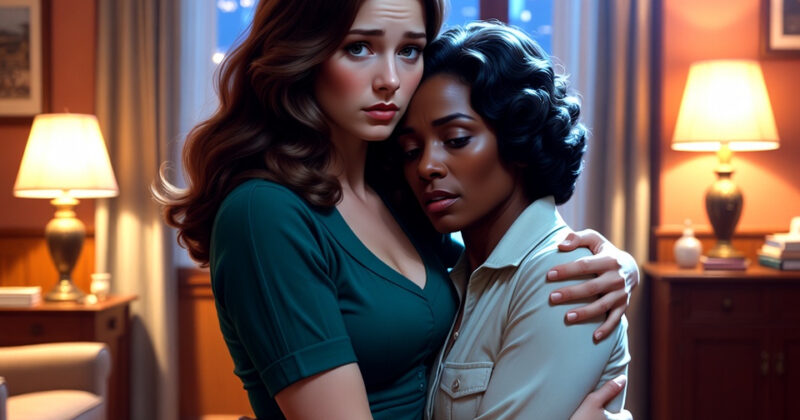
In the pivotal episode known as 'The Jeffersons Move Up', Edith arrives with a simple goodbye gift—fruit, downplaying the significance of the Jeffersons' move to Manhattan. As both women awkwardly attempt to mask their feelings, the gentle realism of their farewell cuts through. In an iconic exchange, Edith hesitantly asks Louise if she has ever told her she loves her; Louise responds, through tears, “Every day.” The two share an embrace, their performances communicating volumes with nothing but a few unguarded words and silent, knowing looks. Moments like this not only elevated the show’s emotional gravity but redefined what emotional transparency could look like on prime time television.
How a Tearful Goodbye Became a Historic Pilot
What many viewers didn't notice at the time was that this heartfelt farewell also functioned as a stealthy television maneuver—a backdoor pilot for The Jeffersons. The remainder of the episode shifts entirely to the Jeffersons as they navigate life in their upscale new apartment, confronting societal prejudices, new social circles, and their own family’s upward mobility. This seamless transition was a masterstroke by creator Norman Lear, using the emotional weight of the Bunkers’ and Jeffersons' farewell to hand off the audience’s emotional investment to a new series.
'The Jeffersons': Charting New Territory in American Television
The Jeffersons didn't just fill the shoes of its predecessor—it sprinted past them. Running eleven seasons to 'All in the Family’s' nine, it became a landmark not just for its longevity, but for its portrayal of a successful Black family unapologetically claiming their space in popular culture. The show balanced witty social commentary, dynamic character chemistry, and performances that still resonate decades later. Its legacy: proving that spinoffs could eclipse their origin shows and that genuine representations of Black middle-class families were not only possible but profoundly necessary in American media.
Norman Lear’s Impact and the Enduring Power of Classic TV
Both series stacked up Emmy and Golden Globe wins, but their true legacy lies in the human connections forged onscreen—connections that reflected the tension and tenderness of real American families navigating history together. Shows like 'All in the Family' and The Jeffersons continue to set the bar, reminding new generations why emotionally intelligent storytelling can be just as revolutionary as satire or shock. If you’ve never witnessed Edith and Louise’s farewell, this moment endures as a testament to the power of kindness, vulnerability, and friendship in transformative television.