The Early Roots of Jack Reacher: The Untold Influence of Travis McGee
Long before Prime Video’s Reacher captivated audiences craving hard-hitting action driven by character, a different archetype was roaming fictional American landscapes: Travis McGee, the Florida-based ‘salvage consultant’ made famous in John D. MacDonald’s cult novels. McGee’s DNA is woven deeply into Jack Reacher’s world–even Lee Child credits these books for shaping his iconic hero’s savvy, resilience, and moral compass. Both men choose the wandering life, taking jobs as they come, fighting for people who can’t fight for themselves.
TV Attempts: What Went Wrong with the Travis McGee Experiment
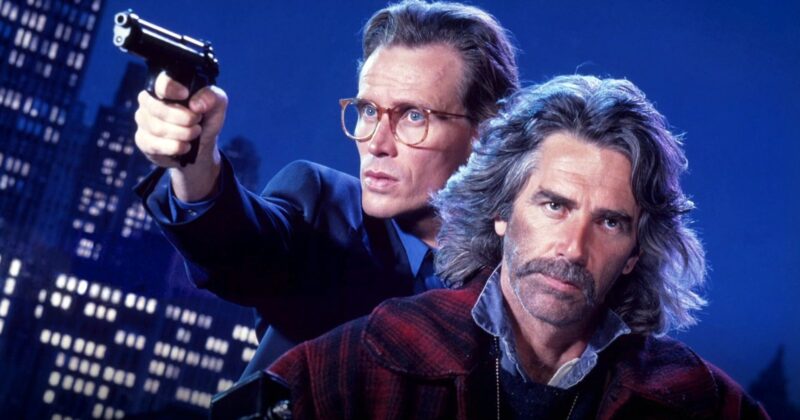
The Travis McGee books have inspired multiple efforts to bring this brooding, sun-bleached world to screen. After an initial film adaptation, the most high-profile attempt occurred when Sam Elliott stepped into the role for an ambitious network TV pilot based on ‘The Empty Copper Sea.’ Hopes were high: Elliott had committed to several years, the novel’s fanbase was substantial, and the TV movie scored strong viewership.
But beneath the surface, things were fracturing. The pilot made dramatic changes–abandoning Florida’s vibrant, seedy realism and even McGee’s beloved houseboat, The Busted Flush. Elliott himself openly voiced frustration prior to the pilot’s release, feeling the project misunderstood or dismissed the raw, introspective essence of MacDonald’s narrative. In removing key elements, the adaptation lost the tension and melancholy that made McGee so compelling to readers and ultimately failed to launch a successful series.
What Amazon’s Reacher Gets Right
Amazon’s Reacher finds success by sticking closely to the foundation laid by Lee Child’s novels–both in spirit and detail. While some adaptation tweaks are inevitable, the core of Reacher’s world remains untouched, from his itinerant lifestyle and physicality to the tone of the mysteries he unravels. Alan Ritchson’s performance isn’t just a casting win; it’s a realization of a literary archetype that finally feels like it stepped off the page without compromise.
What really sets the current adaptation apart is its focus on authenticity and reverence for the source material. Showrunners and writers consistently emphasize attention to those quirks and underlying philosophies that make Reacher unique. This includes retaining the gritty, lived-in Americana, the principled violence, and the layered plotting that keeps fans returning season after season.
Adaptation Lessons: Why Faithfulness Matters in Modern TV
There’s a critical lesson embedded in the contrasting fates of Travis McGee’s 1980s TV misfire and Reacher’s contemporary streaming dominance. Audiences are more discerning than ever; success is not simply about buying the rights to a popular book and casting a recognizable actor. It’s about preserving the narrative engine and character essence that drive the original novels, avoiding the temptation to ‘improve’ what already resonates so deeply with readers.
With Reacher renewed and spin-offs like ‘Neagley’ on the horizon, the show demonstrates that fans value adaptation integrity. In an era filled with reboots and reimaginings, it’s the platforms and creatives willing to honor their foundations who build lasting franchises–and perhaps, as interest in MacDonald’s original world endures, Travis McGee may someday get a reboot worthy of his influence on pop culture’s quintessential drifters and lone wolves.