The Mythic Power of Vietnam War Cinema
Few war films have left such a mark on cinema as ‘Apocalypse Now’, ‘The Deer Hunter’, and ‘Platoon’. These movies are synonymous with the Vietnam War on the big screen, but what separates them isn’t just style—it’s the very way they interpret one of the most contested chapters in modern American history.
Oliver Stone’s Grounded Vision
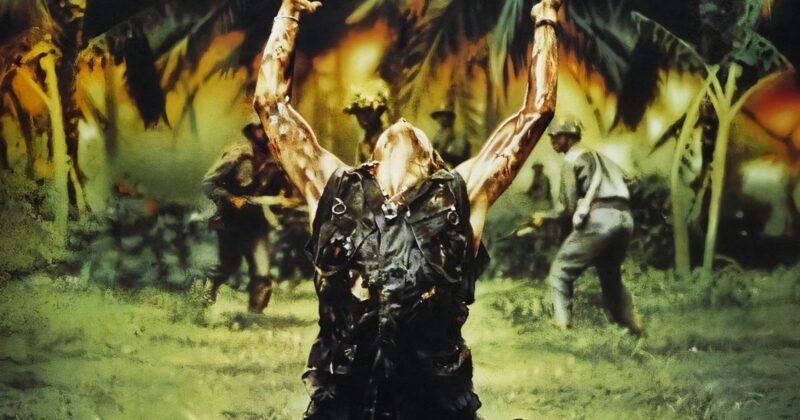
While reflecting on the impact of his legendary film ‘Platoon’, director Oliver Stone offered an intriguing perspective: he believes that ‘Apocalypse Now’ and ‘The Deer Hunter’ feel almost «mythological» when compared to his own intense reality as a soldier. Stone’s take stands out because, before he became an Oscar-winning filmmaker, he served in Vietnam. This direct, unfiltered experience deeply influenced how he shaped ‘Platoon’, favoring a raw portrayal of daily soldier life over the surreal, symbolic journeys seen in other films.
‘Platoon’ distinguishes itself by immersing viewers right in the mud and moral ambiguity faced by its young characters. The tension between Sergeant Elias and the hard-edged Barnes, experienced through the eyes of the rookie Chris Taylor (played by Charlie Sheen), roots the story in the psychological chaos and unpredictable brutality of the front lines. Stone’s firsthand knowledge became the film’s backbone, a detail that gives every firefight and moment of camaraderie an edge of authenticity that resonated deeply with both critics and veterans.
Myth and Reality: Contrasting Cinematic Approaches
Stone is quick to praise his peers—but draws a sharp line between his gritty realism and the mesmerizing, dreamlike qualities of films like Francis Ford Coppola’s ‘Apocalypse Now’. Instead of recreating the senseless confusion of day-to-day warfare, Coppola chose to adapt Joseph Conrad’s Heart of Darkness into the Vietnam jungle, leading audiences on a psychological river journey into madness. Legendary set-pieces—like the helicopter assault scored to Wagner’s ‘Ride of the Valkyries’—have become pop culture icons. The film isn’t just a war movie; it’s an existential fever dream, exploring how violence and power unravel the human mind.
Similarly, Michael Cimino’s ‘The Deer Hunter’ untangles the emotional devastation of war on a working-class community. Its infamous Russian roulette scenes and focus on the trauma soldiers bring home struck audiences with unforgettable force. However, Stone argues these films, while powerful, shape Vietnam into a mythic landscape—a setting for grand symbolic drama rather than the claustrophobic, confusing grind he knew first-hand.
The Legacy of ‘Platoon’ and the Search for Authenticity
Films made by those who lived the events always carry a unique gravity. ‘Platoon’ is frequently cited as one of the most authentic war films ever made, not just for its technical accuracy, but for its refusal to offer easy answers or heroic clichés. The film’s perspective aligns closely with everyday infantry experience, peeling back layers of idealism and nationalism to expose how quickly war corrupts even the best intentions.
The difference in perspective is especially clear considering Stone’s criticism of other Vietnam narratives, such as Hal Ashby’s ‘Coming Home’—which, while powerful, focused on the struggles of a veteran’s spouse. For Stone, the gritty, disorienting reality of battle remained unmatched by films that prioritize myth or melodrama over soldierly experience. His commitment to exploring the cost of war is revisited in the other movies of his informal Vietnam trilogy: ‘Born on the Fourth of July’ and ‘Heaven & Earth’, which expand the conversation to include trauma, social upheaval, and the long shadow of conflict.
Why Vietnam Stories Still Matter
Vietnam War cinema keeps evolving because the conflict itself refuses simple explanation. Audiences remain fascinated by the tension between myth and memory, between the poetic surrealism of movies like ‘Apocalypse Now’ and the unsparing, reportorial eye of ‘Platoon’. This ongoing conversation has made these films regular fixtures in discussions of cinema history, war, and even contemporary politics—proving there is no single, definitive way to understand a war that changed everything.
Whether drawn to the mythic, the realistic, or something in between, modern viewers have access to an extraordinary range of perspectives on the Vietnam War—a living reminder that cinema can both mythologize and bear witness. For the passionate fan of movies and their power to shape memory, these classics make up essential viewing, not just for the spectacle, but for the questions they raise about how we remember, and what we choose to mythologize.