The Enduring Genius of Back to the Future’s Screenplay
Whenever discussions around the greatest movie scripts ignite in film circles, the usual suspects like Chinatown, The Godfather, or Casablanca tend to dominate the conversation. However, there’s one cinematic masterpiece that consistently delivers undeniable magic, refusing to age despite the relentless passage of time: Back to the Future. What truly sets this film apart is not just its charm or nostalgia, but its impeccable, almost mathematical approach to narrative construction—an element as thrilling for screenwriters and cinephiles as the time travel escapades themselves.
Perfect Pacing and Structural Brilliance
Back to the Future is obsessed with time—not only in its storyline, but in its relentless pacing. Every second of its 116-minute runtime is packed with purpose. From the moment Doc Brown’s outrageous collection of synchronized clocks kicks off the film, to the iconic closing scene where the DeLorean disappears into cinematic legend, there isn’t a wasted beat. The script morphs seamlessly between genres, blending comedy, science fiction, and teen coming-of-age with an energy that never lets audiences catch their breath.
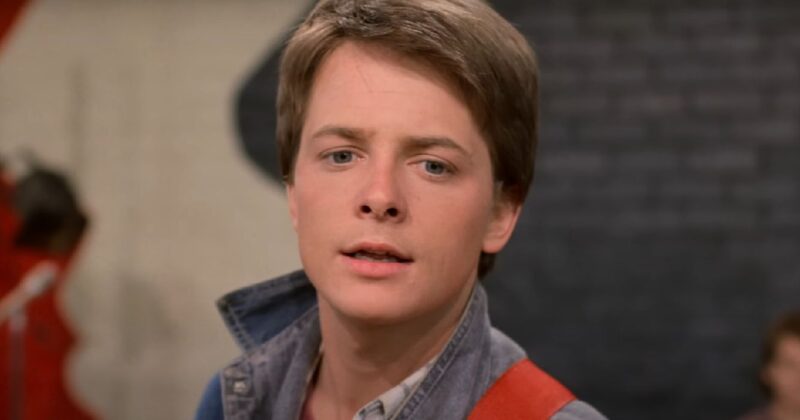
The movie’s structural integrity is a master class for any aspiring writer. Scenes such as the wild terrorist chase, the frantic barn escape, ’50s era culture shocks, and the iconic ‘Enchantment Under The Sea’ dance all cascade with a rhythm that feels both unpredictable and inevitable. Marty McFly, played by Michael J. Fox, is never allowed to languish; every action he takes, however humorous or disastrous, sets a new domino in motion, revealing hidden connections later in the film.
Setup, Payoff, and Narrative Satisfaction
A rare quality of this script is its absolute respect for narrative closure. Virtually every plot thread introduced is resolved in a dazzling display of screenwriting precision. Key recurring motifs—like the Twin Pines Mall sign, the crucial ‘Save the Clock Tower’ flyer, or the seemingly offhand remark about ‘Jailbird Joey’—all serve strategic roles that reward attentive viewers. Even smaller gags, like the misplaced pine trees or details peppered into the opening credits, foreshadow major turning points and character arcs.
Consider how the film juggles sci-fi dilemmas, family drama, and even the birth of rock n’ roll, all while meticulously setting up and knocking down every narrative pin. The ‘Johnny B. Goode’ performance isn’t just a dazzling musical interlude—it’s both a plot resolution for the time loop and an audacious pop culture Easter egg, underscoring just how intricate the script’s construction truly is.
Layered Characters and Unforgettable Moments
The cast of Back to the Future brings these tight narrative elements to life. Christopher Lloyd’s Doc Brown is both mad scientist and tragic comic genius, his eccentricities perfectly balanced by Fox’s grounded, panic-prone Marty. Together, their chemistry anchors the high-concept premise in deeply relatable humanity, enhanced by crisp dialogue and iconic set pieces.
Underlying the laughs and action is a genuine affection for cinematic history—a theme that flows through every sequence. Hidden homages (like the ‘Safety Last!’ clock in the opening shots) and genre-savvy winks turn every rewatch into a treasure hunt for new details, making the film endlessly rewatchable for fans of classic Hollywood and modern blockbusters alike.
The Timeless Impact of a Flawless Script
Back to the Future stands as a singular achievement not only in sci-fi but across all movie genres. Its script remains a gold standard for narrative economy, payoff, and emotional engagement, with each scene influencing countless screenwriters and filmmakers in the decades since its release. This film is not just a time-travel romp or a nostalgia trip—it is living proof that a screenplay, when crafted with precision and passion, can become a timeless engine of cinematic joy.