Why ‘Batman v Superman: Dawn of Justice’ Is Finally Getting the Critical Reappraisal It Deserves

The Uncompromising Vision Behind Batman v Superman: Dawn of Justice
Few superhero films have left as polarizing a legacy as Batman v Superman: Dawn of Justice. When marketing teased the historic on-screen clash between Batman and Superman, with Wonder Woman thrown into the mix, expectations soared. Upon release, however, the movie split audiences and critics right down the middle. Some blamed its tone, others its dense narrative, but with time, this ambitious project has gained a cult standing, inviting a richer, deeper rewatch that reveals its complexities and unique contribution to the genre.
Darker Storytelling—A Radical Departure
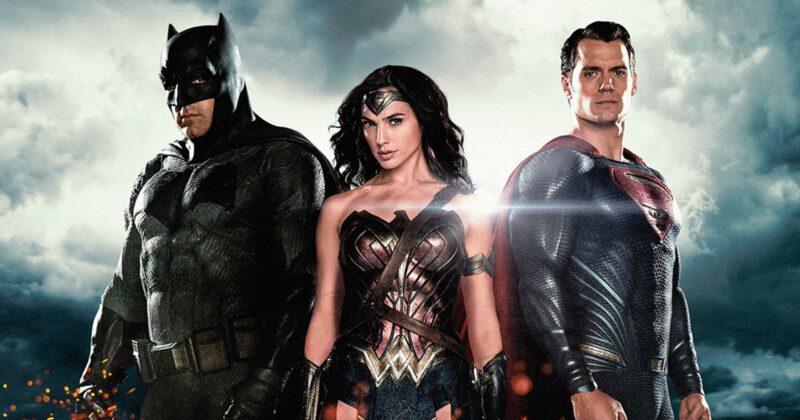
What immediately sets this film apart is its rejection of the bright heroics and predictable formulas audiences had come to expect. Batman v Superman dives headfirst into the grey areas of heroism. Ben Affleck’s Batman stands as the grittiest cinematic version—a battle-weary, tactical, and occasionally merciless vigilante, haunted by loss and trauma. Henry Cavill’s Superman, meanwhile, is more burdened than ever, his god-like presence sparking international debate: is he savior or threat?
These themes are not just backdrop—they’re integral, with Zach Snyder refusing to sanitize the consequences of superpowered showdowns. The opening, seen through Bruce Wayne’s eyes as he races through the cataclysmic aftermath of the Metropolis battle, reframes Superman’s overwhelming power as a very real, relatable fear. Lex Luthor’s plot to exploit these anxieties, brilliantly (if controversially) played by Jesse Eisenberg, hinges on timely cultural anxieties about unchecked power and manipulation.
The Ultimate Edition: A Director’s True Intentions Revealed
The original theatrical release lost key story threads to studio edits, compromising vision for runtime. However, the Ultimate Edition, running at a full three hours, restores significant context—deepening motivations, clarifying character arcs, and tightening narrative logic. Luthor’s plans become more coherent, and the central conflict between Batman and Superman gains emotional and logical traction.
Still, even purists can’t ignore the infamous ‘Martha’ scene, a moment designed to jolt Batman back to empathy, yet clumsily handled. This flashpoint, for many, highlights the risks of fast-tracking character development—especially compared with Marvel’s carefully paced rivalries seen in «Civil War.»
Snyder’s Iconic Visuals and World-Building
Snyder’s style is unmistakable: every shot feels like a splash page from a comic. The bold, operatic visuals—whether Superman’s laser vision igniting with raw fury or Batman’s now-legendary warehouse rescue—inject balletic violence with weight and consequence. Few filmmakers translate the scale and impact of comic book spectacle as vividly. Gale Gadot’s debut as Wonder Woman here is nothing short of iconic, capturing both the grace and ferocity of the Amazon warrior and setting the stage for her own cinematic journey.
Challenging the Superhero Formula
Snyder’s approach veers sharply from the piecemeal character introductions preferred by other cinematic universes. Rather than slow-burn spin-offs, Batman v Superman opts for ambitious, layered world-building, introducing the broader Justice League tapestry in a single film. Critics were divided on this accelerated rollout, citing a lack of groundwork for audience investment. Yet, in retrospect, this gamble on dense narrative and interconnected lore looks bold, if imperfect, and has inspired continued debate among genre fans and scholars alike.
Legacy and Continuing Influence
Measured by box office, the film may have fallen short of its record-shattering opening weekend. But its long-tail influence is only becoming clearer as fandom matures and new creators revisit its innovations. While the ideas behind Snyder’s DC universe weren’t fully realized within the former studio model, the gravitas and ambition of Batman v Superman remain benchmarks for what big-budget comic book cinema can aspire to—not just escapism, but thorny, thought-provoking art.