The Enduring Significance of ‘Court Martial’ in the Star Trek Universe
When exploring the vast universe of Star Trek, landmark episodes frequently come to mind—installments that not only thrill but also push boundaries in science fiction and television. ‘Court Martial’ is one such episode, a story that is often overshadowed by more overtly iconic moments, yet its place at the crossroads of representation, genre-defining storytelling, and bold character portrayals cements its legacy.
The Genesis of the Star Trek Courtroom Drama
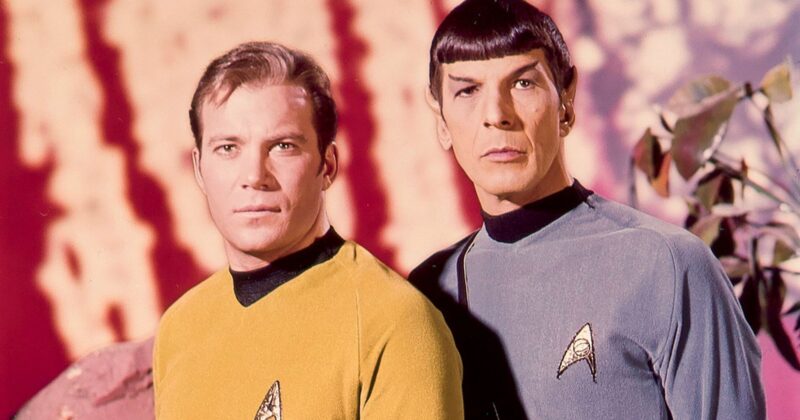
‘Court Martial’ stands as Star Trek’s first real venture into the courtroom drama, integrating the tension and stakes of military legal proceedings with the moral questions typical of the franchise. In this episode, Captain Kirk is placed on trial for the alleged murder of a fellow officer, a plotline that not only ripples with drama but also adds new layers of vulnerability to one of sci-fi’s most iconic captains.
The format was so compelling that it laid the groundwork for some of the most revered stories across Star Trek spinoffs. Episodes such as «The Measure of a Man» from The Next Generation or «The Drumhead» owe much of their narrative DNA to the approach set here: a Federation courtroom becomes the stage not just for legal debate, but for examining complex ethical questions and character relationships under pressure.
Breaking New Ground: Representation in the Federation
Star Trek has long been praised for spotlighting diversity, but ‘Court Martial’ advanced this mission in subtle yet crucial ways. It introduced audiences to Commodore Stone, portrayed by Percy Rodriguez—a figure who, as a Black flag officer, outranks Kirk and brings an air of fairness and gravity rarely attributed to superior officers at the time. Unlike many high-ranking officials in The Original Series, Commodore Stone stands as a model of judicious leadership, challenging Kirk where necessary and upholding Starfleet’s high standards.
This quietly revolutionary casting reflected the show’s commitment to a forward-thinking vision of humanity, challenging the stereotypes predominant in ’60s television and influencing how authority could look and sound in speculative fiction for decades to come.
Areel Shaw: Star Trek’s Trailblazing Woman in Law
The episode also introduced Lieutenant Areel Shaw, a character who shattered television norms. Played with poise by Joan Marshall, Shaw isn’t just a love interest but foremost a formidable lawyer with her own professional code. Her presence as a competent, unflinching officer in Starfleet’s JAG Division opened the door for more nuanced portrayals of women in positions of authority within the genre. In an era when female characters were often relegated to supporting roles or romance subplots, Shaw’s agency and legal prowess made her a quietly disruptive figure on prime-time television.
In comparison to the likes of Raymond Burr’s ‘Perry Mason,’ the introduction of a female legal professional in such a serious, ethical context signaled a slow but significant shift in how shows could depict women as peers—and sometimes rivals—to male leads.
‘Court Martial’ and the Evolution of Star Trek Storytelling
The long-term impact of ‘Court Martial’ is best seen in how the series, and its successors, continued to weave legal and ethical dilemmas into their DNA. Legal procedurals became a genre touchstone within Star Trek, transforming what could have been minor, world-building detours into incredibly rich, character-driven stories.
While not always listed among the franchise’s most celebrated episodes, ‘Court Martial’ is a touchstone for fans who appreciate the deeper currents of power, justice, and identity running through Star Trek. It resonated well beyond its initial broadcast, establishing a framework for the evolving conversation around representation and the responsibilities of those who serve in leadership among the stars.