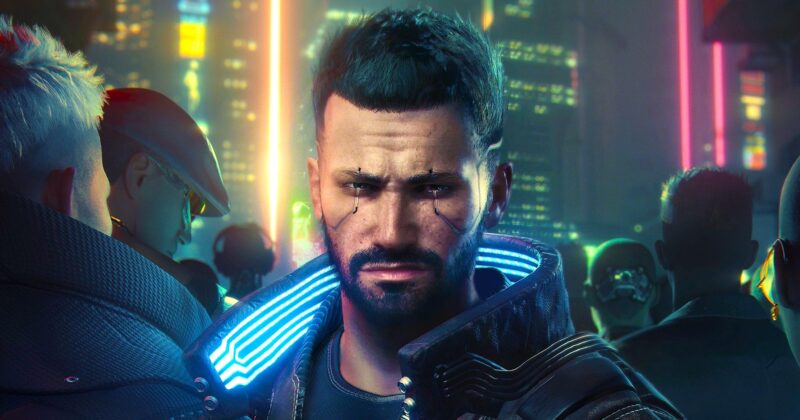
Cyberpunk RPGs: The Power of Choosing Your Destiny
The RPG experience thrives on the freedom to step into someone else’s shoes and shape a future beyond imaginable boundaries. In the original Cyberpunk 2077, this act of rebellion against monotony came primarily through its ‘Lifepath’ system—three divergent origins that set the tone for your role in Night City: Nomad, Streetkid, or Corpo. Each path gave players distinct prologues and tweaked dialogue options, but the craving for something deeper never truly faded.
Anticipation Builds for a Revolutionary Sequel
Now, as development ramps up for the much-awaited sequel codenamed Project Orion, speculation is running wild. CD Projekt RED—fresh off redemption arcs and anniversary releases—has intensified curiosity by keeping most details tightly under wraps. Still, the community is buzzing in anticipation, and with expectations set sky-high, the question remains: How far will the next Lifepath system push the boundaries of role-play?
The Demand for Expanded Personalization
Role-playing enthusiasts and veterans of the first game are setting out their wishlists. Forums and social media are ablaze with ideas. Fans want far more granular control over backgrounds—childhood origins, early professions, even detailed personality quirks. Imagine choosing not just whether your V hailed from corporate boardrooms or desert highways, but how their formative years, mentors, and first big jobs shaped every skill check and relationship going forward.
Beyond mere cosmetic changes, players long for Lifepaths impacting gameplay mechanics. A corpo-soldier backstory might grant innate weapon handling bonuses, while an ex-gang member could go toe-to-toe with stamina-boosted street fighters. These aren’t just flavor choices—they’re gameplay-altering threads that beg for creative design and nuanced implementation.
Factions, Perks, and a Living World
The possibility of joining iconic Cyberpunk factions like the NCPD, Militech, or Traumat Team excites fans. What if players could infiltrate the Voodoo Boys, become ex-FIA operatives, or dig deeper into the tangled web of gang rivalries? RPGs live or die by the weight of choice—there’s real appetite for backgrounds that permanently open or close entire quest lines, romance options, and alliances.
Long-time followers are calling for lifepaths to echo throughout the entire campaign, not just the opening act. Unfolding perks—such as discounts at certain shops, unique vehicles, or intelligence leads—could radically strengthen replay value and narrative immersion, rewarding experimentation with different builds each time through.
Technical and Narrative Challenges Ahead
This level of complexity comes with challenges. Designers must weave intricate, often branching storylines that stay coherent without ballooning development time. To achieve this, advanced dialogue trees, reactive world states, and possibly emergent storytelling tools are essential. The REDengine could see significant upgrades or even a new engine tailored to deliver this granularity. Implementation of AI-driven character interactions, à la contemporary RPG titans, may hold the key to bringing these detailed backgrounds to life.
What the Future Could Hold
With fans pitching everything from reunification war veterans to award-winning mercenaries gone rogue, the upcoming Cyberpunk sequel sits in a rare, high-stakes position. The hunger for RPGs that blur the line between authored drama and personal legend has never been greater. Whether it’s flashbacks, unique city districts, or persistent relationship effects, every Lifepath innovation will be scrutinized and celebrated by a worldwide fanbase.
For anyone who loves digital storytelling, character creation, or simply getting lost in a world built on choices, the ongoing Lifepath discussion marks one of the most electrifying topics in modern game development.