Why ‘Dark Winds’ Will Never Fully Adapt the Leaphorn & Chee Novels—And Why That’s Essential for TV

The Challenge of Fully Bringing Leaphorn & Chee to Screen
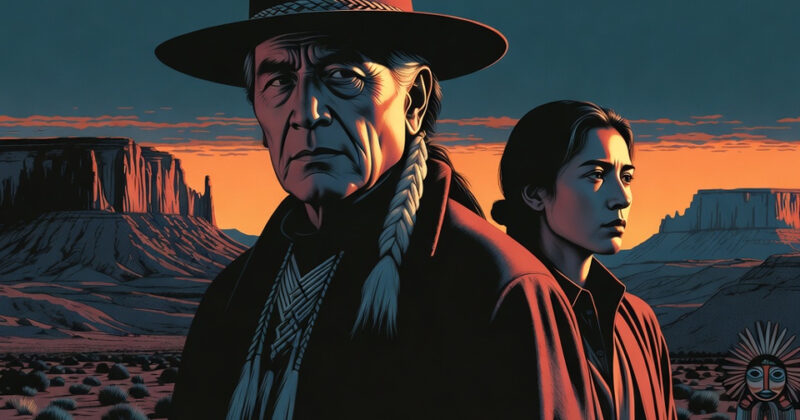
AMC’s Dark Winds has been making waves—not just as a gripping crime drama but for its nuanced portrayal of Navajo culture. Based on Tony Hillerman’s acclaimed series of Leaphorn & Chee novels, the show stands apart from standard genre offerings. With Zahn McClarnon leading as Joe Leaphorn, the drama continues to innovate, even as it faces unique creative boundaries that set it apart from typical literary adaptations.
Cultural Depth Beyond Television’s Reach
Fans hoping for a page-by-page recreation of every book may be surprised by how the series adapts the source material. As McClarnon himself acknowledges, the writers must draw a line when it comes to depicting certain core elements of Diné (Navajo) culture. Some sacred traditions and lived experiences simply aren’t meant to be broadcast, regardless of artistic intent. Instead, viewers interested in these deeper aspects are invited, in spirit, to experience them firsthand by visiting the Navajo reservation. The series, McClarnon notes, is not a documentary. It’s a form of entertainment with a responsibility to respect what should remain private within the Diné community.
Adaptation vs. Authenticity: Navigating Creative Choices
The necessity to leave cultural depths unexplored on TV doesn’t mean Dark Winds is skimming the surface. Each season embraces the franchise’s hallmark exploration of Navajo life, spiritual beliefs, and the tension between tradition and modernity. The production team’s commitment is evident: adapting stories such as The Ghostway—which relocates part of the action from the desert to Los Angeles—showcases their willingness to innovate while staying true to character dynamics and cultural context. Season after season, lead writer John Wirth and his team elevate the material, aided by McClarnon’s authenticity and a supporting cast that includes Kiowa Gordon as Jim Chee and Jessica Matten as Bernadette Manuelito.
What the Novels Offer—And What the Series Embraces
One unique twist is that the books often focus separately on Leaphorn or Chee, while the series brings them together every season for intertwined storylines. This creative choice lets the show weave together different novels, creating continuity and character relationships that would otherwise be fragmented. Executive producers like the late Robert Redford and literary titan George R. R. Martin have added further depth and credibility, even appearing in cameo roles to the delight of long-term fans and newcomers alike.
The Ongoing Journey of ‘Dark Winds’
With a fifth season already greenlit, Dark Winds continues to offer both gripping crime plots and rare insights into a world rarely represented on mainstream TV. The show’s careful handling of Diné culture, the deliberate avoidance of misrepresenting spiritual and ceremonial aspects, and the refusal to blur the lines between fiction and reality have won it critical praise. The result is a series that feels both respectful and riveting—a standout in the television landscape, especially at a time when authentic representation matters more than ever.
How to Experience More of the World of Leaphorn & Chee
For those eager to dive deeper into the themes and stories of the Leaphorn & Chee universe, the original novels remain available, offering a richer, uncensored look at Navajo traditions and investigative mysteries. Meanwhile, Dark Winds airs new episodes on AMC and AMC+, inviting broader audiences to experience this blend of introspective drama and cultural storytelling. Each episode is a testament to how adaptation, when handled with care and cultural sensitivity, can both elevate the source material and respect its roots.