The Allure of Deepin Linux: A Design Marvel
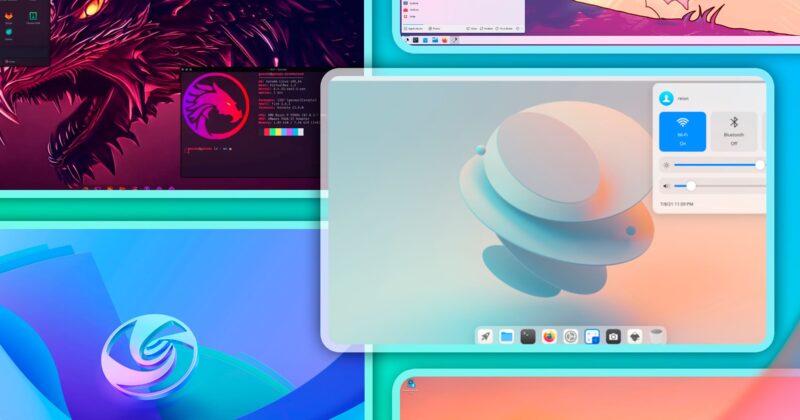
For anyone exploring the Linux ecosystem, Deepin Linux makes an immediate impression. Its glass-like interface, rich with smooth translucency and refined animations, feels more like a product of a high-profile design studio than a standard open-source distribution. Right out of the box, Deepin mirrors the familiar layout of modern Windows, nails iconography, and delivers intuitive theming that lets you overhaul wallpapers, color schemes, icon packs, and transparency—all with a single click. Style-wise, few Linux distros can touch the level of visual polish offered here.
Deepin Desktop Environment: The Secret Ingredient
What really powers Deepin’s visual identity is the Deepin Desktop Environment (DDE). This custom desktop layer is responsible for the distro’s futuristic look, and it’s so adaptable that you can install it on other Linux systems, bringing that design DNA with you. However, DDE’s pursuit of beauty comes with trade-offs that dig far deeper than surface level.
When Looks Aren’t Everything: Security Red Flags
Within Linux circles, security is not negotiable. That’s where Deepin’s pedigree begins to falter. Major Linux distributions like openSUSE have publicly distanced themselves from Deepin and DDE, after years of reporting critical vulnerabilities within its core components. Security teams flagged repeated issues, providing warnings that often went unanswered or led to incomplete fixes. At one point, a package slipped through without proper scrutiny, circumventing the sort of rigorous review that underpins the safety of respected distros.
The seriousness of these missteps is hard to overstate. Even the Arch Linux Wiki, famous for its impartiality, now features up-front warnings about Deepin’s security posture. For a platform where privacy, transparency, and system control are celebrated, a history of unaddressed exploits simply can’t be overlooked.
Spyware and Telemetry Controversy
The user trust gap extends beyond technical vulnerabilities. Years ago, users found that Deepin’s app store quietly transmitted data to CNZZ, a popular Chinese analytics service. While the developers insisted only anonymous device data was collected, the backlash was immediate and intense. Most Linux enthusiasts choose open-source systems to maximize privacy and minimize hidden data collection—having background telemetry, even if minimal, starkly conflicts with those values.
Security Hygiene: What Every User Should Know
Given the open-source nature of Deepin, technically anyone can audit its code. Realistically, though, reviewing the codebase of an operating system is daunting even for experienced developers. The expectation is that distro maintainers act as trusted stewards, building their releases on a proactive security mindset. When a team appears «lacking in security culture,» as some security professionals have put it, faith in the product drops—no matter how gorgeous the interface.
Anyone serious about securing their Linux environment can consider tools like Portmaster. This free and open-source software brings an accessible graphical dashboard to track outgoing connections, block dubious data streams, and enhance system monitoring—no terminal wizardry required.
If You Love Deepin’s Aesthetics, Try These Alternatives
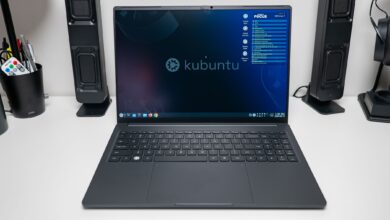
For those smitten with Deepin’s style but wanting something more robust, there’s no need to compromise. The KDE Plasma desktop environment is famous for its flexibility and customizability. You can skin KDE to echo Deepin’s transparency and color palette, while enjoying an ecosystem relentless about privacy and security. Projects like PearOS build on KDE Plasma, delivering the same next-gen look and feel—on a more trusted foundation.
Security and stability must always take precedence over appearance. The operating system is the bedrock of your digital life: apps, data, everything relies on it. Style matters—especially when interacting with your OS all day—but not enough to justify risking security.