The Lost Art of the Doctor Who Season Finale
For fans of long-running sci-fi series, a season finale isn’t just the last episode of a run—it’s the payoff for months of speculation, investment, and emotional highs and lows. Doctor Who, a series legendary for its reinventions, masterfully crafted this expectation for over a decade. Yet recent years have seen a notable dip, leaving longtime viewers craving the electric storytelling that once defined its finale episodes.
Back When Finales Felt Iconic: The Capaldi Era
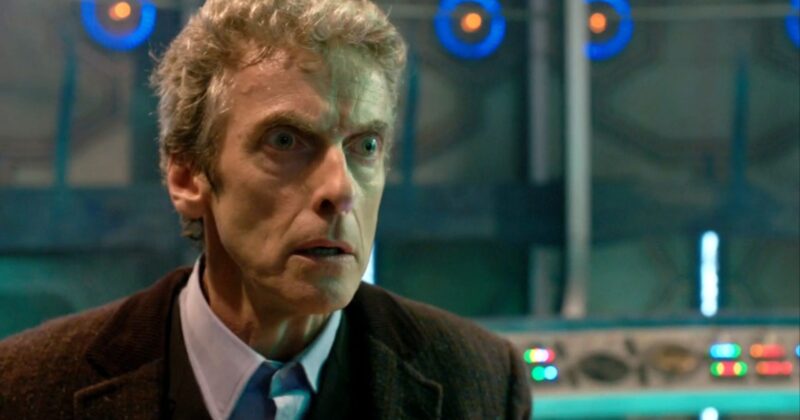
The closing arc of Peter Capaldi’s run as the Doctor, especially with ‘World Enough and Time’ and ‘The Doctor Falls,’ showcased everything the series could offer at its peak. These episodes weren’t just epic because they were action-packed or visually impressive—they delivered genuine emotional closure, artfully resolved long-standing plotlines, and paid loving tribute to earlier elements of the season. Billy’s journey with the enigmatic Pilot, Missy’s existential conflict and shocking confrontation with an earlier incarnation, and Capaldi’s raw, vulnerable goodbye worked together seamlessly. There was a sense of grandeur, but also of intimate, character-driven stakes that left a memorable mark on Whovian history.
It wasn’t just spectacle. The universe felt at stake, yes, but so did every small character moment. Capaldi’s Doctor delivered a performance that wasn’t afraid to break the hero mold—a hero left shattered, yet wiser. The intricate threads that Steven Moffat weaved paid off gloriously, giving fans both closure and the exhilaration of the unknown with each regeneration.
The Shift: New Showrunner, New Risks
After Capaldi’s departure, the dynamic shifted noticeably. Chris Chibnall stepped in, and with him came new companions, a focus away from classic monsters, and a visual overhaul that brought sharper cinematography, but perhaps less soul. The series tried to reinvigorate itself, but in doing so, lost some of the careful, layered plotting that fans cherished. The season 11 finale, ‘The Battle of Ranskoor Av Kolos,’ brought back a previous villain, yet the conflict came and went with little fanfare or lasting impact.
Season 12’s ‘The Timeless Children’ ambitiously tried to rewrite key elements of The Doctor’s lore, but the twist—that the Doctor was a previously unknown type of alien—was met with skepticism and, for many, felt like it fractured rather than deepened the show’s mythology. Season 13’s ambitious, single-arc structure (‘Flux’) showed promise, echoing the connective tissue of classic seasons, but ultimately struggled to land that vital emotional resonance or balance smaller stories within the larger narrative.
The Modern Dilemma: High Ambition, Mixed Execution
With the arrival of Ncuti Gatwa as the Doctor, fans saw renewed energy and stylish flair, with the Pantheon of Gods storyline generating genuine excitement. However, the most recent finale left many unsatisfied, as major threats were dispatched too quickly and the enigmatic companion Ruby Sunday, teased as extraordinary, wound up disappointingly ordinary. The show appeared to promise seismic change, then paced itself back for a more tepid resolution—a criticism that has recurred over the past several seasons.
The latest victim of rushed storytelling has been season 15. Dramatic behind-the-scenes changes led to an abrupt and puzzling finale—one in which the Doctor transforms into Billie Piper (the beloved Rose Tyler), leaving audiences confused rather than thrilled. While ambition and experimentation have always been hallmarks of Doctor Who, the cost has been a lack of the careful payoffs and patient development beloved in previous runs.
The Challenge for the Future
As the show stands on the brink of another creative reset, expectations are high. Russell T Davies reportedly had grand designs for upcoming seasons, but both he and Gatwa are now stepping aside, leaving the next showrunner with the difficult task of restoring trust and re-engaging the passionate, sometimes critical, fanbase. What many crave is a return to the fundamentals: long-term arcs that allow for characters to truly evolve, villains whose stakes feel planetary but whose motivations are deeply personal, and finales that serve not just as spectacle but as the beating heart of the Doctor’s journey.
Doctor Who remains a titan in sci-fi television because of its ability to surprise, charm, and break hearts—all in the span of a single story. The next chapter may be uncertain, but the potential for greatness persists, waiting for the next creative team to recapture the magic that made its best season finales unforgettable.