The Unforgettable Climax That Could Make or Break Dune: Part Three
The anticipation surrounding Denis Villeneuve’s upcoming Dune: Part Three is on another level, especially among die-hard fans of Frank Herbert’s sprawling saga. While Villeneuve has proven his aptitude for adapting the signature grandeur and complex themes of the novels, there’s one pivotal moment from Dune Messiah that must make its way to the screen: the legendary knife-throwing scene. If omitted, it’s not just a narrative misstep—it risks alienating the franchise’s most passionate followers.
Paul Atreides: The Hero’s Most Defining Act
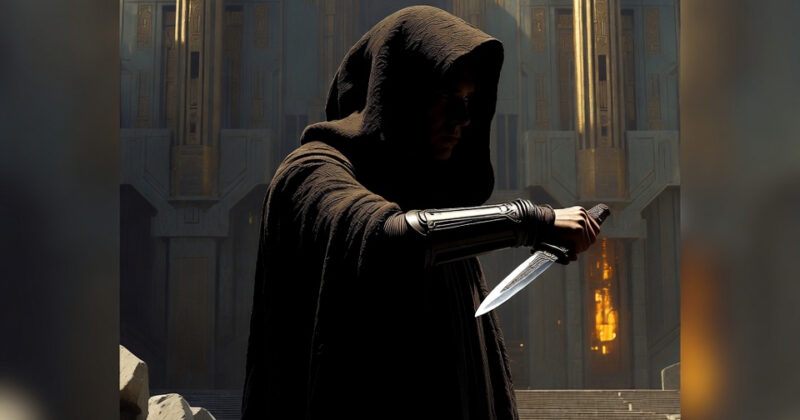
At the heart of this debate is Paul Atreides, a character beloved—and scrutinized—for his evolution from pressed-upon heir to conflicted messianic ruler. In Dune Messiah, Paul’s journey intertwines tragedy, vision, and a single breathtaking act of heroism: disarmed by blindness and political machinations, Paul stands on the edge of personal and dynastic extinction. Enter the knife-throwing scene—an assassin threatens his newborn twins, and in a near-impossible feat, Paul sees through his infant son’s eyes, hurling a blade to save his family. This moment crystallizes Paul’s lingering humanity and shatters the misconception that he is solely an anti-hero, a nuance the films must preserve.
The Scene Fans Won’t Forgive Hollywood for Cutting
In modern genre cinema, fans expect iconic scenes to be adapted with reverence, and for Dune, this is non-negotiable. The knife-throwing showdown fuses suspense and catharsis in a single stroke; it is the kind of spectacle that demands cinematic treatment with Villeneuve’s commanding visual language. Visual parallels can be drawn to other great sci-fi moments: think of the edge-of-your-seat tension of the Blade Runner 2049 confrontation or the mythic energy of a final duel in Star Wars. This scene is not just action—it’s the axis on which Paul’s heroism, vulnerability, and the future of House Atreides spin.
Paul and Chani: Tragedy and Triumph Intertwined
Yet this climax is more than Paul’s stand-alone victory. It is also the closing crescendo to the tragic romance between Paul and Chani. Where Dune: Part Two hinted at the storm brewing over their union, the third chapter is poised to deliver both the birth of their twins and the heart-wrenching loss of Chani. This tragic tapestry is essential; it grounds Paul’s final act in personal loss, even as it vaults his legacy forward. The knife-throwing scene counterbalances heartbreak with a flash of hope—Paul saves his children even as he loses his love.
Leto II: Foreshadowing the Wild Future of the Dune Universe
Strict adherence to this scene is not mere fan service. It is the narratively logical bridge introducing Leto II—Paul’s son and the future protagonist. In fact, the psychic connection that saves the twins telegraphs the saga’s next leap, as Leto’s story propels Dune into even more mind-bending, mythic territory. Cutting the knife-throw would tear a hole in this legacy, denying new audiences a clear handoff to the franchise’s next era.
Villeneuve’s Adaptation: Walking the Tightrope Between Innovation and Canon
Villeneuve’s adaptations artfully blend fidelity to Herbert’s vision with cinematic flair; his Fremen are as raw and elemental as they are philosophical. The visual language, from Arrakis’ sandstorms to the battle choreography, suggests he can deliver the knife-throwing scene with pulse-pounding tension and haunting beauty. But this isn’t simply about visual spectacle. The knife-throw is the final, necessary act in Paul’s journey—a culmination that sets up the fallibility of messiahs and the cyclical nature of power, themes deeply woven into pop culture’s greatest epics.
What’s Really at Stake for Dune: Part Three
The risk is real: if Dune: Part Three sidelines or dilutes this classic scene, it risks more than a few nitpicks from book lovers. It would miss the opportunity to deliver a moment that, much like the sandworm ride or the Gom Jabbar test, truly defines the DNA of the franchise. As the sci-fi genre continues to evolve with franchises like Foundation and The Expanse setting new standards, Dune owes its audience the careful adaptation of its most iconic moments—none more crucial than the knife-throw that saves not only Paul’s children, but the legacy of Herbert’s world.