The Radical Shift in Euphoria’s Visual Identity
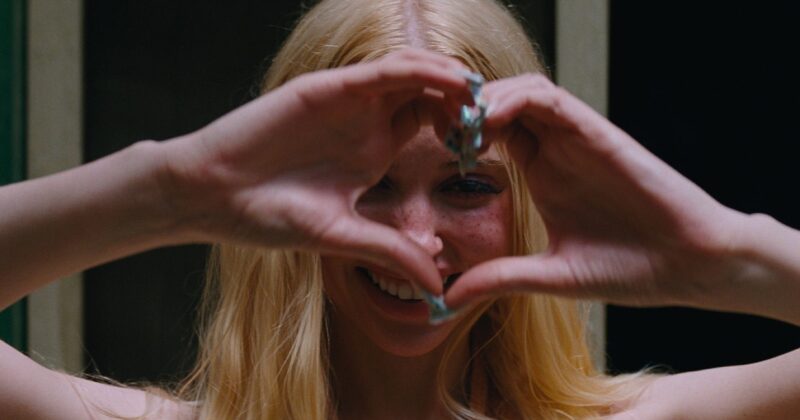
Once a psychedelic tapestry of neon lights, intense color palettes, and unforgettable visual flair, Euphoria has cemented itself as a juggernaut of style-driven television. That signature cinematic language – swirling camerawork, immersive party atmospheres, expressive lighting – fundamentally influenced how the world perceived Gen Z’s emotional chaos. Yet the highly anticipated trailer for season 3 signals a transformation so profound that the series almost feels like a reinvention. Gone are the stylized dream-sequences and lush visuals; what emerges now is a colder, stripped-back realism, trading the intoxicating excess for a bleaker aesthetic. It’s a bold decision that strips Euphoria of its mythical tone and plants it firmly in the domain of emotional restraint and grit.
A Five-Year Leap: Goodbye Adolescence, Hello Adulthood
The trailer’s five-year time jump propels familiar faces like Rue, Jules, and Maddy into adulthood, confronting new dilemmas that echo the harsh realities of post-high school life. This leap represents more than just a narrative device. By aging its characters, the series pivots away from the electrifying chaos of teenage discovery, setting the stage for morally complicated storylines centered on crime, addiction, and survival. Fans expecting feverish high school drama may be surprised to find Euphoria trading its coming-of-age focus for a more subdued, almost noir exploration of its cast’s fractured journeys.
The Grittier Tone: From Dreamlike Excess to Unforgiving Realism
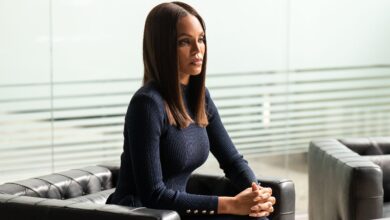
Season 3’s first impressions are unmistakably somber. The once hallucinatory vibe has vanished and with it, the musical montages and expressive fashion that turned emotional distress into visual spectacle. In its place stands a world lit with flatter, naturalistic tones – a deliberate recalibration that aligns more with adult crime dramas than the emotional supernovas of previous outings. Scenes are now framed with unvarnished truth, emotions internalized rather than worn on the sleeve. No longer does the camera dance with its characters; instead, it bears silent witness to their struggles, further distancing the new season from its acclaimed predecessors.
Breaking Away from What Made Euphoria Special
What made Euphoria stand out in the ocean of teen dramas was its fearless experimentalism – the cross-pollination of music, color, and performance sculpted every episode into an audiovisual event. The new approach, however, edges closer to television convention, with a tighter focus on realism and narrative rather than stylized mood and spectacle. Core themes of addiction and trauma remain, but the way those themes are expressed has become markedly subdued, inviting discussion around whether Euphoria risks blending in with countless other dark dramas cluttering today’s peak TV landscape.
Major Cast Changes Reshape Euphoria’s Core
The buzz surrounding this season isn’t just about its visual reinvention; the cast itself has shifted in ways that deeply affect the series’ heart. The tragic passing of Angus Cloud, who played the grounded and beloved Fezco, casts a shadow over season 3. Cloud’s portrayal brought rare warmth and vulnerability to the story, anchoring some of its wildest moments in an emotional truth that endeared him to audiences. Now, not only is Fezco’s story abruptly ended, but his absence recalibrates the show’s ensemble dynamics – particularly his relationship with Lexi Howard, which had resonated with viewers in the previous season.
Another core departure is Barbie Ferreira, who played Kat Hernandez. Her open discussion about creative disagreements with showrunner Sam Levinson highlights one of the industry’s ongoing conversations: the struggle to move beyond typecasting and do genuine justice to complex characters. Kat’s absence – after being central to conversations around body image and self-acceptance – leaves a gap that’s difficult to ignore. Together with outgoing actor Algee Smith (Chris McKay), these cast changes escalate the feeling that viewers are entering a reimagined Euphoria, defined as much by what’s lost as what endures.
Off-Camera Drama and Industry Buzz
Season 3 hasn’t been shy of controversy behind-the-scenes, either. Reports of friction on set and accusations regarding the showrunner’s working methods have fueled intense discussions on social media and pop culture forums. While official statements remain ambiguous, the discourse is inescapable for dedicated fans – further coloring perceptions as Euphoria’s latest chapter approaches.
Euphoria’s Place in the 2026 TV Landscape
The new Euphoria emerges at a time when prestige dramas face the challenge of constant reinvention. Its move towards realism and departure from its dazzling, music-video sensibility may find new admirers seeking authenticity, but also risks disappointing longtime followers who fell in love with its bold, hyper-stylized heart. With only eight new episodes set to drop and all eyes on Rue’s evolution, the conversation around identity – both personal and creative – is poised to define the season, as Euphoria navigates uncharted territory in the crowded world of contemporary streaming TV.