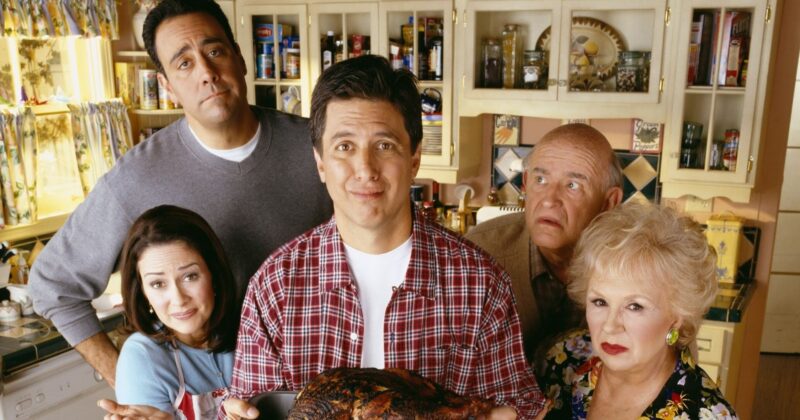
Everybody Loves Raymond: A New Breed of Suburban Sitcom
There’s a reason Everybody Loves Raymond still stands out in the crowded landscape of American TV comedy. While the sitcom superficially fits the classic mold—a suburban family, quirky relatives living across the street, and a carousel of everyday misadventures—its heart beats to a different rhythm. Unlike the youth-centric or overly sentimental family shows that dominated network schedules, this series pushed for authenticity, maturity, and a sophisticated sense of humor rarely seen on primetime television.
The Vision: Crafting an ‘Adult’ Sitcom
Behind the scenes, showrunner Phil Rosenthal knew precisely what he wanted to avoid. In his vision, Everybody Loves Raymond wouldn’t mirror the child-focused wholesomeness of routines from series like Full House. Instead, the show’s DNA was meticulously engineered to highlight adult relationships—with children playing more supporting roles. Even the intro, with its Woody Allen ‘Manhattan’-inspired theme and the unmistakable New Yorker typeface, set the mood for something intentionally elevated and self-aware. Rosenthal’s ambition was crystal clear: deliver the most sophisticated interpretation of the suburban sitcom format seen on network TV.
Humor Rooted in Neurotic Reality
Star Ray Romano, who played the ever-relatable Ray Barone, invested deeply in this ‘realness.’ According to Romano, the humor wasn’t just about punchlines or slapstick, but rooted in the anxious, neurotic realities adults actually face. He was adamant that the show wouldn’t devolve into kid-driven narratives or simplistic resolutions. This approach gave rise to stories that didn’t always wrap neatly—sometimes characters argued, stormed out, or simply let conflicts linger. It was a reflection of how real relationships endure: not through contrived heart-to-heart moments, but by showing up, sticking together, and muddling through the chaos side by side.
Breaking from the Sitcom Mold
Unlike many network comedies, Everybody Loves Raymond rarely leaned on contrived ‘awww’ moments or trite moral lessons. Instead, viewers watched Ray and Debra’s (Patricia Heaton) sharp-tongued debates, Robert’s (Brad Garrett) anxiety-ridden vulnerability, and the loving abrasiveness of Marie (Doris Roberts) and Frank (Peter Boyle). It felt contemporary, real, and—most importantly—relatable to viewers long past adolescence. The balance of sarcasm, wit, and everyday struggles set a new benchmark for character-driven humor.
Why It Still Resonates
What makes the show’s legacy so enduring is how honestly it portrays the nuances of adult life. The Barones’ issues—spousal miscommunication, sibling rivalry, clashes with in-laws—aren’t solved in a single episode or with grand forgiveness. Often, they’re not solved at all, and that ongoing friction becomes the foundation of the show’s wit and charm. For viewers who crave comedy that treats its audience as grown-ups and honors the subtleties of family dynamics, Everybody Loves Raymond remains a touchstone.