The Art of Rebooting: When a Retelling Outshines the Original
In the world of fantasy television, reboots often generate skepticism. Too many attempts have rushed beloved stories or dulled their emotional punch—leading fans to expect little from new adaptations. Yet Fullmetal Alchemist: Brotherhood shattered those expectations by delivering a reimagining so precise and well-crafted that it set a new standard for fantasy storytelling on screen.
A Faithful Rebirth Anchored in Hiromu Arakawa’s Vision
Where most reboots falter, Brotherhood excels by remaining devoutly loyal to Hiromu Arakawa’s manga, serving up not just a retelling but an elevation of the original. Unlike the earlier adaptation, which quickly split off into its own narrative, Brotherhood respects the source material’s structure. The story moves at a deliberate, well-paced rhythm that rewards viewers willing to invest in its intricately woven plotlines.
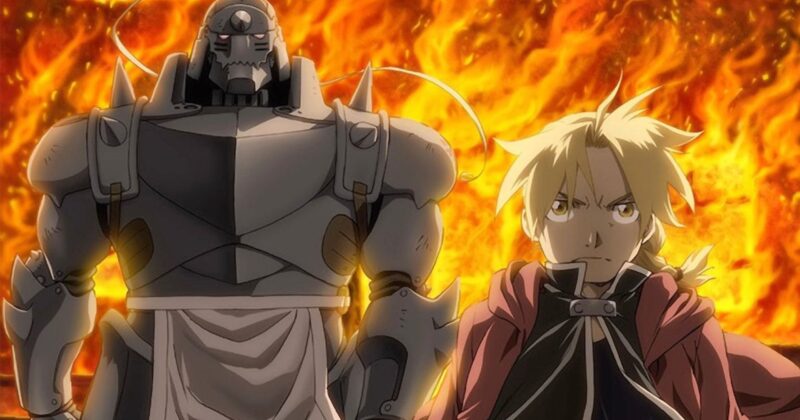
The journey of Edward and Alphonse Elric is never rushed nor diluted. These two brothers, bound by the consequences of forbidden alchemy, drive a plot charged with political conspiracy, war trauma, and spiritual searching. The world of Amestris isn’t just a backdrop; it’s an active participant, teeming with ingenious steampunk inventions—from automail prosthetics to dazzling alchemical battles—giving the drama substance and visual flair.
Layered Storytelling with Lasting Emotional Impact
What places Brotherhood in a league of its own is its determined long-form storytelling. Side characters who seem incidental return to claim vital roles, and no subplot is left without resolution or consequence. By the climactic final arcs, every character and storyline merges with intent, amplifying emotional payoffs far beyond mere spectacle.
Each episode balances breakneck action—alchemy duels that feel more like strategic battles of wits than simple brawls—with philosophical questioning. Brotherhood never shies from tough questions: What does it mean to pay for power? How do loyalty and ambition collide in a militarized society? What price, if any, is justifiable for progress? These themes resonate deeply for viewers who crave more than surface-level entertainment.
Modern Animation, Timeless Philosophy, Real Stakes
Importantly, the series makes every fight matter—both visually and thematically. The distinctive design of each homunculus, the show’s infamous antagonists, ensures that every confrontation is loaded with symbolism, stakes, and style. Fans of battle anime rank Brotherhood’s action among the most thrilling and meaningful in the genre.
Beneath the spectacle lies an earnest philosophical core. Brotherhood weaves questions of faith, morality, sacrifice, and scientific hubris throughout its 64 meticulously planned episodes. The ethical dilemmas faced by the Amestrian military draw uncomfortable but relevant parallels to real-world discussions about power and responsibility, making Brotherhood persistently relevant for today’s audience.
Complex Characters That Feel Incredibly Real
What truly solidifies Brotherhood’s legacy is its emotional authenticity. Humor and hope surface at just the right moments, preventing the constant tension from becoming overwhelming. Supporting figures like the steadfast Maes Hughes or the enigmatic Scar are just as fully realized as the Elric brothers themselves, furnishing the story with a maturity rarely matched in animated drama.
When resolution does arrive, it lands with the full force of meaningful character growth. Closure in Brotherhood feels earned, never forced, making every twist, sacrifice, and revelation linger long after the credits roll. Rather than being just another reboot struggling for justification, Fullmetal Alchemist: Brotherhood transcends its category, proving that thoughtful reimaginings can not only succeed, but redefine what a generation demands from fantasy storytelling.