The Hidden Brilliance of Satoru Gojo’s Disappearance
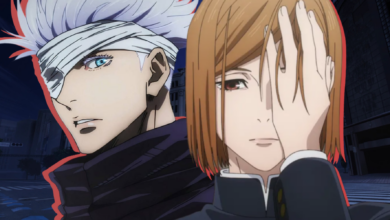
Jujutsu Kaisen has always put Satoru Gojo on a pedestal. The story itself constantly highlights his unparalleled strength and charisma, making him the series’ natural center of gravity. Yet, in the third season, Gojo vanishes from the narrative—locked away in the Prison Realm—and the effect on the show is seismic. The series, paradoxically, finds its new high precisely because Gojo steps aside, allowing the supporting cast to own the stage.
An Unmatched Season of Animation and Storytelling
Season three of Jujutsu Kaisen instantly set a new standard for shōnen anime. From jaw-dropping animation sequences to a relentless pace of battles, every episode bursts with creative ambition rarely seen outside blockbuster anime films. The adaptation covers the first part of the dark and densely layered Culling Games Arc, where Kenjaku’s machinations reach terrifying new heights. Free from the shadow of Gojo’s invincibility, the season dives deeper into chaos, uncertainty, and genuine peril for its characters.
MAPPA’s Masterstroke
The animation studio behind Jujutsu Kaisen delivers extraordinary results this season. Each battle feels like a kinetic art exhibition—rich with expression, detail, and dynamic choreography. The execution particularly stands out in extended episodes such as the ones featuring Maki’s vengeance against the Zen’in Clan and Yuta’s tactical duels in the Sendai Colony. These moments get the screen time and polish they deserve, elevating side characters to main-event status.
Gojo’s Overwhelming Strength: A Double-Edged Sword
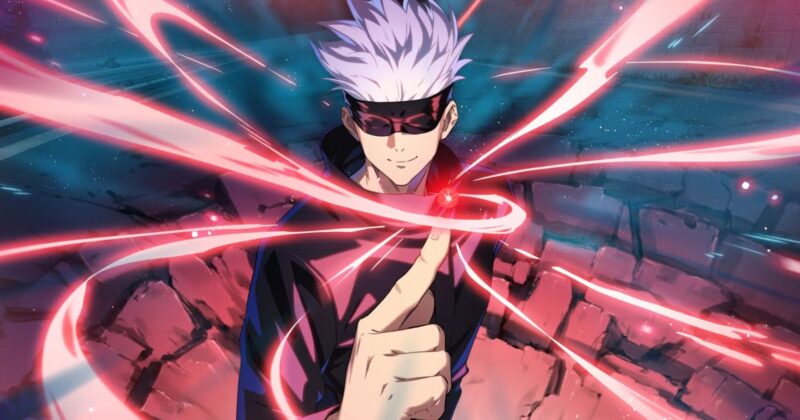
Few figures in modern anime command the battlefield like Satoru Gojo. His overwhelming might can set or resolve conflicts almost instantaneously, making his presence a trump card that keeps antagonists and plot developments perpetually in check. When Gojo is on screen, all eyes—and the story itself—revolve around him. But with Gojo absent, several key dynamics shift dramatically.
New Stakes, New Heroes
Without Gojo as the unstoppable force, the world of Jujutsu Kaisen opens up to treacherous new threats. The higher-ups, no longer impeded, target Yuji Itadori with renewed focus. Villains like Kenjaku operate more freely, plunging the narrative into chaos. Yet, these threats bring out the best in the rest of the cast. Characters such as Yuta Okkotsu, Maki Zen’in, and Megumi Fushiguro rise to the challenge in ways previously unattainable with Gojo at the center. Maki’s destruction of her own clan is one of the series’ most celebrated and visually spectacular storylines—her evolution and pain rendered in unflinching detail, propelled by dazzling animation.
A Platform for New Faces
The Culling Games also serve as a launchpad for new talents within the Jujutsu Kaisen universe. Sorcerers like Kinji Hakari establish themselves as forces to watch—Hakari being hailed by Gojo himself as a potential equal. Meanwhile, newcomers Takaba and Higuruma, empowered by the twisted rules of the Games, command attention and curiosity. None of these characters would have received the same focus if the story still orbited around Gojo’s effortless dominance. Their stories are now vital threads in the complex social and supernatural tapestry of the series.
The Enigmatic Balance Gojo Brings
What becomes clear this season is that Gojo is both Jujutsu Kaisen’s greatest asset and its biggest challenge. His sheer power undercuts tension—yet, in his absence, the narrative’s stakes and characters flourish. When Gojo eventually returns (as anticipated in the Culling Games’ climactic conclusion), the impact will be nothing short of iconic. His legacy is unique: he reinvents the series by merely existing, or, as this season proves, by stepping away at the exact right moment. For now, viewers are treated to a dazzling spectacle of sorcery, rivalry, and self-discovery—all made possible because the world’s strongest sorcerer is nowhere to be found.