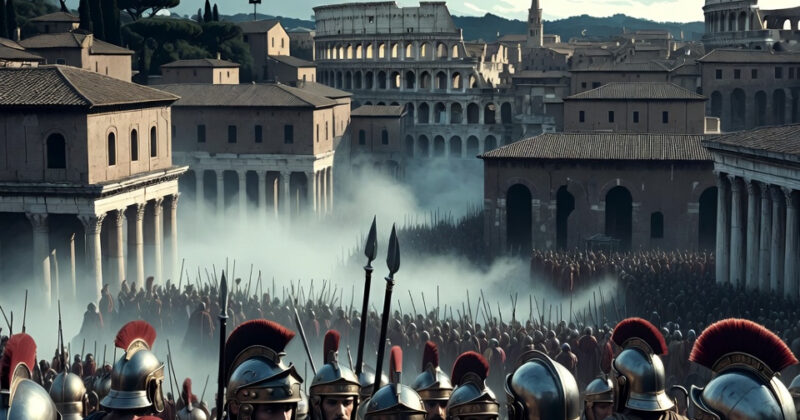
The Legacy of Rome: HBO’s Forgotten Spectacle
When HBO first set its sights on massive, visually rich storytelling, Rome was the groundbreaking experiment that dared to blend ancient history with the network’s signature flair for mature, provocative drama. Debuting in an era when few shows took risks with scope or budget, Rome delivered an unapologetic spectacle drenched in the blood and politics of the Roman Republic. Its bold storytelling and lavish production values paved the way for other epic series like Game of Thrones, showing the world that serialized TV could compete with cinema in both visual impact and complex narrative arcs.
Rome Walked So Thrones Could Run
Before Westeros took over pop culture, Rome was HBO’s answer to the sword-and-sandal genre dominated by films like Gladiator. What set Rome apart wasn’t strict historical accuracy, but its unapologetic commitment to entertainment—swapping textbook facts for operatic drama, intrigue, and power struggles among icons such as Julius Caesar and the future Augustus. The show’s two-season lifespan was cut short due to production costs that, at the time, seemed astronomical. Ironically, those same budgets now look modest compared to today’s prestige TV spectacles.
Why a Revival Matters Now
After a wave of Game of Thrones spin-offs—most notably House of the Dragon and the upcoming A Knight of the Seven Kingdoms—audiences are showing signs of Westeros fatigue. Yet, the appetite for grand, morally complex historical dramas remains insatiable. The timing couldn’t be better: imagine Rome reborn with the production muscle and narrative daring of contemporary HBO. With smarter budgeting and technology, a new chapter could finally do justice to the vision that captivated a cult following two decades ago.
Endless Storytelling Possibilities
The world of Rome offers much more than a single, linear retelling. A revival isn’t limited to continuing old storylines—it could reinvent itself as an anthology, exploring different periods, families, or even social strata across the vast timeline of Roman history. Each season could tackle new icons, from political machinations in the Senate to the rise of emperors and the vibrant life of Roman citizens who rarely make the history books. This flexibility ensures freshness and a diverse array of stories that can captivate both new audiences and longtime fans alike.
A Proven Genre, Ready for More
The ongoing popularity of the Spartacus franchise and the cultural clout of Game of Thrones prove there’s a robust demand for grand-scale historical adventures. Rome could claim its place as a prestigious alternative—offering a grittier, more grounded vision of power, betrayal, and ambition. Now, with streaming reach, advanced CGI, and larger global audiences, the series could not only revisit its original scale but potentially surpass it in spectacle and storytelling ambition. In an era defined by content saturation, a bold, revitalized Rome might just be the unexpected answer to HBO’s search for their next pop culture phenomenon.