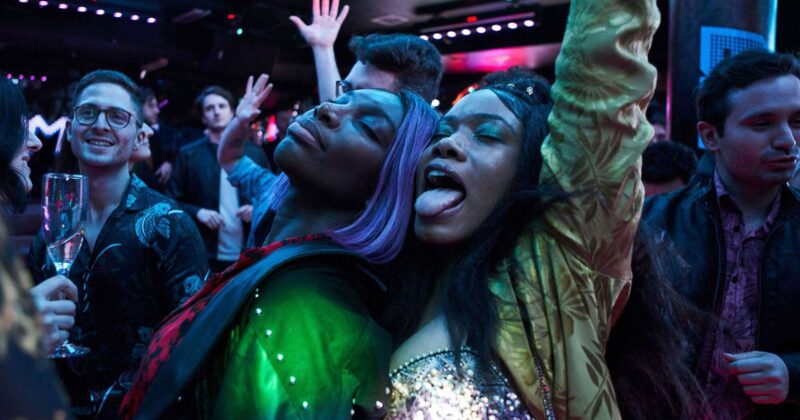
‘I May Destroy You’: A Streaming Era Gem Often Overlooked
In the era of endless content and streaming wars, the rapid turnover of ‘must-see’ series means even extraordinary shows can fade from collective memory surprisingly quickly. Amongst the avalanche of complex dramas and bingeable comedies, ‘I May Destroy You’ stands apart—a series that illuminated the capabilities of television as both an art form and a force for cultural reflection.
The Story Behind the Series
Created, written, and co-directed by Michaela Coel, ‘I May Destroy You’ centers on Arabella Essiedu, a vibrant millennial voice in London’s creative scene. What begins as an exploration of her writing career and social media stardom becomes a searing, nuanced look at trauma, memory, and healing following a harrowing assault. The narrative refuses to follow typical trauma storylines; instead, it dives deep into the messy, unpredictable process of recovery—not just for Arabella, but also for her friends, Terry and Kwame, who bring their own stories of pain and resilience.
Why ‘I May Destroy You’ Still Resonates
The brilliance of the series lies not just in its courageous storytelling, but in its distinctive use of black comedy and sharp dialogue to approach difficult conversations about consent, survivorhood, and societal accountability. Michaela Coel—whose later appearances in blockbuster films like Black Panther: Wakanda Forever and experimental projects such as Mother Mary have only magnified her versatility—crafted a series that shuns easy resolution. The psychological realism and structural experimentation remain unusual for mainstream TV, especially on platforms like HBO and BBC One where the series originally aired.
A Defining Show of the Post-MeToo Era
Emerging at a moment when conversations about sexual violence and power imbalances were front and center, ‘I May Destroy You’ captured cultural anxieties with rare honesty. The fact that Arabella’s story concluded decisively—with no promises of a second season—meant that the series kept its narrative integrity, offering genuine closure rather than falling back on serialization.
And yet, that sense of completeness is a double-edged sword. In a landscape where sequels and extended universes keep IPs eternally on our feeds, a single-season masterwork is vulnerable to being eclipsed by new arrivals, even as its influence lingers in the DNA of more recent shows. Since its release, Michaela Coel herself has leaned into feature films, leaving audiences to cherish her magnum opus as a snapshot of both a specific cultural moment and a timeless artistic statement.
A Series Worth Rediscovering
‘I May Destroy You’ represents more than just a standout show of its time; it’s a bold experiment in form and feeling, propelled by real performances and authentic perspectives. Its critical acclaim—from reviewers and award panels alike—reflects its impact, but it’s the post-episode conversations it sparked about justice, friendship, and accountability that truly define its legacy.
As attention naturally shifts to new hits and breakout series, ‘I May Destroy You’ remains essential viewing for anyone interested in the power of television to push boundaries and transform audiences’ understanding of sensitive, pressing issues. The show is a poignant reminder of what premium TV can achieve when risk and authenticity lead the way.