The Paradox of Star Trek’s Movie Timeline
If you think about the chronology of Star Trek movies, it might seem counterintuitive that a reboot prequel could be set further along in the timeline than all prior films. Yet that’s exactly what J.J. Abrams accomplished with his bold reimagining of Star Trek. The 2009 film is famous for its dynamic cast and blockbuster energy, but beneath the surface, it plays with Star Trek’s lore in ways that only become clear to long-time fans.
The Creation of the Kelvin Timeline
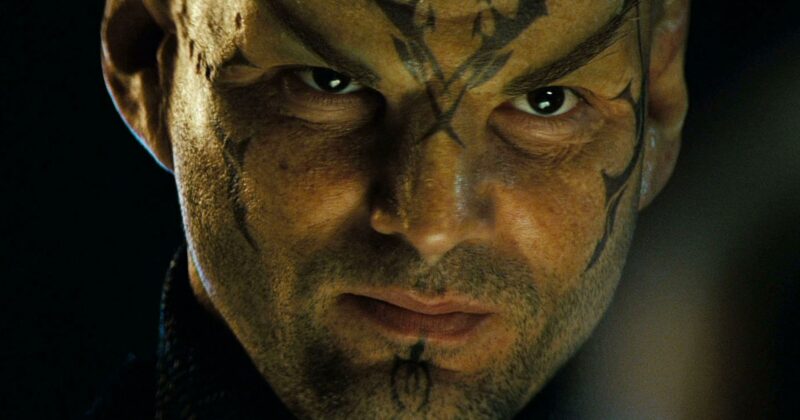
Star Trek (2009) launches with the catastrophic attack on the USS Kelvin. It’s here where Chris Hemsworth’s George Kirk meets his fate, forever altering the destiny of his newborn son, James T. Kirk. This tragedy is caused by Nero, a Romulan fueled by vengeance and armed not just with superior firepower, but with knowledge from the future.
The destruction of the Kelvin isn’t mere spectacle. It’s the inception point of what’s now called the Kelvin Timeline—an alternate reality made possible only because of world-shattering events set after all previous Star Trek stories. The plot is triggered not in the past, but by a solar catastrophe that decimates Romulus in the Prime Timeline’s future. This becomes the bridge connecting classic Star Trek with this cinematic reboot.
How the Timeline Jumps Forward
Most of Star Trek (2009) unfolds between the years a young Kirk and Spock are growing up, jumping to their time as Starfleet cadets. But the movie’s real timeline leap happens in the shadow of Romulus’s destruction, spearheaded by Leonard Nimoy’s Ambassador Spock. Both Spock and Nero are swept back in time by a temporal anomaly caused by Spock’s attempt to prevent the Romulan supernova. While Nero arrives in 2233, Spock emerges 25 years later, pushing the narrative reach of Star Trek beyond anything previously depicted in film or television, and directly referencing Prime timeline events that long-time fans recall from “Unification” and the TNG era.
The Kelvin Timeline’s Unique Status
While Into Darkness and Beyond opted for a more conventional, linear narrative within the Kelvin universe, Star Trek (2009) intrinsically changed franchise history. By tying its very existence to the Romulan supernova and Spock’s involvement, it positioned itself as the furthest exploration of the franchise’s canon at the time of release. Previous films, including Star Trek: Nemesis, only scratched the surface of the 24th century. Suddenly, the narrative canvas had been stretched, staking a claim further out than any prior installment.
What’s Next for Star Trek at the Movies?
With new stewardship behind the camera and the promise of upcoming Star Trek films, the door is wide open for fresh directions. Franchise holders are reportedly considering a movie unbound to any specific era or legacy cast—a tempting prospect in a universe that covers over a millennium of in-fiction history. This could push storytelling to the late 25th, 26th, or even 31st centuries, all virtually untouched in visual media.
Alternatively, the studio could introduce yet another alternate reality or locate new characters in territories far removed from Starfleet’s familiar territory, untethered from timelines mapped in The Original Series, The Next Generation, Deep Space Nine, Voyager, or even Discovery’s far-future setting. For creators, the freedom to explore new sociopolitical evolution, alien cultures, or untouched corners of the galaxy offers enormous creative latitude.
Star Trek’s Enduring Pop Culture Legacy
At its core, Star Trek’s enduring appeal lies in its willingness to reimagine itself across eras—whether through casting, technology, or narrative time leaps. The movies have journeyed decades and centuries with their crews, from the late 23rd century adventures of Kirk and Spock to the 24th century explorations of Picard and beyond.
The Kelvin reboot’s time-hopping plot may have startled purists, but it paid homage to the fabric of the franchise: infinite diversity in infinite combinations. With more films on the horizon, the only certainty is that Star Trek will continue boldly venturing deeper into the unknown—on screen, between timelines, and across the imaginations of fans.