The Neo-Western Revolution: More Than Just Yellowstone
Western themes have seen a striking resurgence in modern television, but even blockbuster successes like Yellowstone owe a tremendous debt to a six-season standout: Justified. While viewers stream a growing catalog of standard and neo-Western series—from Dark Winds to The Madison—it’s Justified that continues to set the bar for how the genre can be reinvented for contemporary audiences.
Justified: Reinventing the Western With Elmore Leonard’s Edge
Based on the iconic character Raylan Givens of Elmore Leonard’s crime sagas, Justified doesn’t just nod to classic Westerns; it reconfigures them. The FX series ran for six electrifying seasons, later inspiring the spinoff Justified: City Primeval. Across its run, Timothy Olyphant led as Raylan, a US Marshal whose personal honor code veers into the grey. This moral ambiguity, alongside hard-boiled stories and sharply drawn antagonists, injects the show with an unpredictability absent from many of its competitors.
The narrative structure of Justified regularly raises the stakes. Unlike the sprawling family dynasties of Yellowstone and its spin-offs, the show thrives on intimate, knotted relationships and quicksilver allegiances. Each season builds around a new central villain or criminal force, keeping the story fresh and the audience gripping their seats.
Timothy Olyphant: Walking the Line Between Lawman and Outlaw
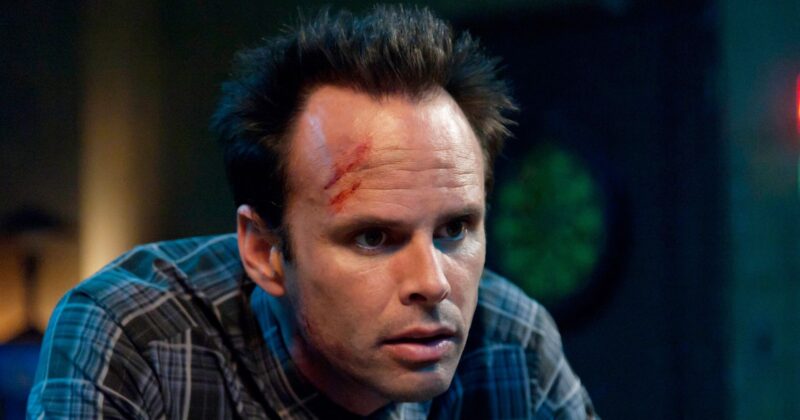
It’s impossible to discuss the impact of Justified without focusing on Timothy Olyphant’s career-defining performance. His Raylan Givens is no mere lawman; he’s a complicated antihero whose brand of justice feels urgent and modern. Givens’ unique code may bend the rules, but his opponents—many portrayed with scene-stealing vitality by the likes of Walton Goggins (as Boyd Crowder), Kaitlyn Dever, and Margo Martindale—prove far darker and more dangerous.
This complexity sets Justified apart from most period Western retreads. It invokes the spirit of the old frontier yet grounds itself in contemporary America, where every ally might be an enemy and violence is never far from the surface. Olyphant’s Givens recalls his earlier work in Deadwood—but here, the lawman is more layered, and the criminal world more textured.
Blending Old School Grit With Neo-Noir Tension
What makes Justified resonate—especially for fans of genre innovation—is its deft mixing of traditional Western codes with neo-noir aesthetics. The visual style is sun-drenched yet shadowy; the dialog crackles with Leonard’s trademark wit and menace. Instead of rugged cattle drives or gold rushes, watch for meth kitchens, urban sprawl, and small-town politics. This is the Wild West reframed for the 21st century.
Viewers drawn to Taylor Sheridan’s sprawling TV universe—Tulsa King, Mayor of Kingstown, Lioness, Landman—will recognize Justified’s influence in their DNA. Sheridan’s own Lawman: Bass Reeves, while lavish and ambitious, and other recent entries like The Abandons and American Primeval on Netflix, haven’t achieved the same genre-defining presence.
Why Neo-Westerns Are Dominating the Streaming Era
The enduring popularity of Justified and its contemporaries reflects a key trend: viewers crave stories that challenge black-and-white morality. Neo-Westerns invite us into a world where loyalties shift fast, and the ‘hero’ is just as flawed as any outlaw. The genre proves it’s not just about shootouts or Stetsons, but about wrestling with what justice looks like in a complicated world.
If you think you know what Westerns are, Justified will change your definition. With its biting dialogue, intricate plotting, and Olyphant’s magnetic screen presence, it stands as the definitive neo-Western experience for both devoted genre fans and curious newcomers looking for something smarter and more thrilling than the usual frontier fare.