Why Kelsey Grammer Pulled the Plug on His Own Sitcom Disaster

The Legendary Star Behind TV’s Most Painful Comedy Misfire
Kelsey Grammer is one of television’s defining comedic voices, with his performances in Cheers and Frasier setting the bar for sitcom excellence. However, even legends have their missteps, and Grammer found himself at the center of a project so dire he actually begged the network to cancel it before its full run could even air.
The Challenge of Crafting a Sitcom in a Saturated Landscape
Making a sitcom work is no small feat. Audiences have seen every imaginable setup, and there’s nowhere to hide if the laughs don’t land. Unlike a drama or a thriller, where slow build or uneven episodes might be forgiven, a comedy that fails to amuse leaves everyone squirming—viewers, writers, and even the stars themselves. This pressure was palpable for Grammer, who went from the razor-sharp wit and layered characters of Frasier to one of TV’s quickest flameouts.
Hank: The Premise vs. the Painful Reality
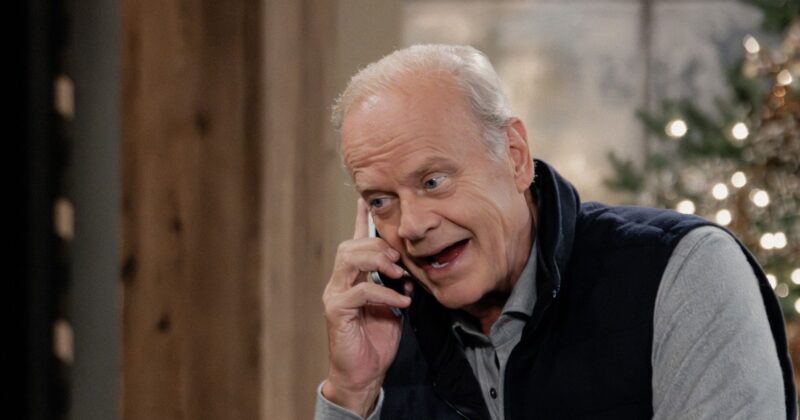
The show in question, Hank, launched on ABC with a premise that looked solid on paper. Grammer played Hank Pryor, a Wall Street executive forced to move back to his small hometown after losing his fortune, all in an effort to reconnect with his family. The show was supported by established comedic talents like Melinda McGraw and David Koechner, both of whom had proven comedy chops.
If the setup sounds familiar, it’s because shows like Arrested Development and Schitt’s Creek have mined a similar vein of riches-to-rags dysfunction, finding both humor and heart in forced humility. But where those shows thrived on smart writing and genuine emotional stakes, Hank struggled to find either—even with the benefit of experienced showrunner Tucker Cawley, who previously wrote for Everybody Loves Raymond and Parks and Recreation.
Critical Catastrophe: Where Did Hank Go Wrong?
The major problem, critics agreed, was that Hank failed to find an identity. Attempts to gently skewer the aftermath of the global financial crisis fell flat, with plotlines that felt too frivolous for real satire and too heavy-handed to inspire laughs. As one review famously put it, the show gave viewers ‘nothing you couldn’t imagine from the premise’, stripping away even the hope of surprise or subversion.
Reviews were unrelentingly harsh, with major media calling Hank ‘the worst new comedy of the season’ and struggling to comprehend how such a talented cast delivered so few laughs. Grammer’s comedic timing and charisma—so sharp in everything from guest spots to classic ensemble work—simply couldn’t rescue material that never found its tone.
The On-Set Breaking Point: When the Laughter Died
The final straw came not from reviewers, but from a total lack of response from the studio audience. Publicly, Grammer recalled sitting through a taping where not one joke landed—not even a nervous titter. He contacted the president of Warner Bros. and famously asked, ‘When can we put a bullet in this thing?’ It’s a stark reminder that even comedy veterans know when the magic is gone. Only five of the ten recorded episodes ever made it to air, the rest shelved as evidence of what happens when sitcom alchemy utterly fails.
When Sitcoms Miss, The Fallout Is Swift
Network television is far less forgiving than it used to be. These days, a comedy can be canceled after just a handful of episodes if the audience tunes out. Hank is now infamous not just for its brief run, but for the candid way its own star tried to end its misery. In an era defined by fast-moving trends, instant critical feedback, and the brutal scrutiny of social media, sitcoms that misjudge their tone or timing simply have nowhere to hide. Even icons like Grammer sometimes discover—painfully—just how fine the line is between a beloved sitcom and an unforgettable flop.