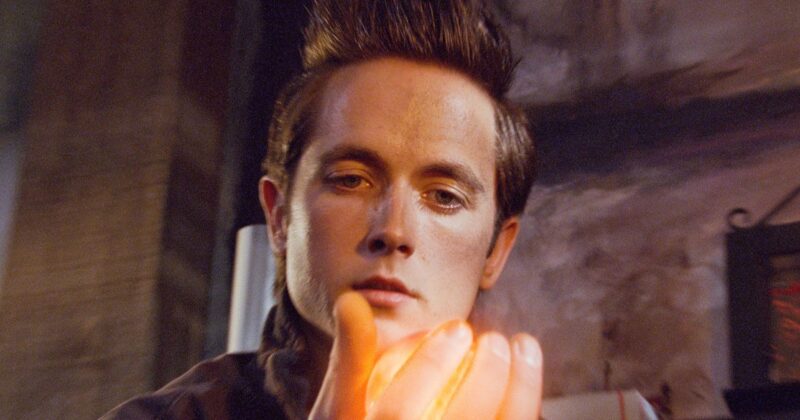
The Ongoing Struggle With Live-Action Anime Adaptations
Live-action adaptations of beloved anime and manga have a reputation for splitting audiences. Some, like Alice in Borderland and more recently One Piece, have kindled optimism for the genre. Yet, the shadow cast by poorly received titles—think Cowboy Bebop, Death Note, and especially Dragonball Evolution—remains difficult to escape. With the release of Knights of the Zodiac, a new contender has entered the debate, matching previous missteps in its conversion from animated classic to the real world.
Knights of the Zodiac: From Heroic Fantasy to Missed Opportunity
Adapting a legacy like Saint Seiya is no small feat. The live-action Knights of the Zodiac draws initial praise for avoiding the “name confusion” trap that tripped up Dragonball Evolution. There’s also a visible effort in casting to match characters’ backgrounds more faithfully. However, fans quickly notice where things unravel: the heart of the source material is left behind.
The film’s decision to portray Seiya as a gritty street fighter set in a drab, urban underworld strips out the mythic spirit and camaraderie that made the anime resonate across generations. Instead of the epic sense of brotherhood among the Bronze Saints, what’s left is a generic science fiction action formula, missing the team dynamics, intricate lore, and the original’s emotional weight. Crucial themes of friendship and the fantastical world-building are pushed aside in favor of a safer, more palatable backdrop—one that ultimately leaves long-time fans and new viewers wanting.
What Went Wrong: A Case of Oversimplification
One of the most evident missteps is the film’s reluctance to embrace the quirks of the anime. Iconic armor costumes are toned down; complex relationships between characters become flat. This trend toward minimizing the outlandish and unique elements—a core part of anime’s global appeal—results in a muted adaptation that feels like little more than a generic sci-fi flick. Fans were expecting Pegasus galaxies, elemental attacks, and grand, mythological stakes, not just another street brawl with a sheen of fantasy around the edges.
Comparing Scores: Rotten Tomatoes, Audience Sentiment, and Industry Impact
Audience and critic reactions are reflected in hard numbers: Knights of the Zodiac sits at a 21% score on Rotten Tomatoes, barely eking ahead of Dragonball Evolution’s infamous 14%. These ratings solidify both films in the lower ranks of anime live-action legacy, disappointing for franchises with such passionate followings. Even so, the nuanced differences are worth noting—like slightly more appropriate casting or better attention to the original’s title—but these don’t manage to redeem the storytelling pitfalls.
Why Some Anime Are Meant for the Screen—But Not Always the Big One
The boom in live-action adaptations coincides with studios’ interest in tapping into multi-generational anime fandoms. However, franchises with elaborate world-building and long series arcs rarely condense well into a single feature-length film. Attempting to boil down dozens of episodes’ worth of mythology, character growth, and narrative complexity into two hours does a disservice to both newcomers and devoted followers.
Meanwhile, television and streaming offer far more flexibility. Recent hits like the live-action One Piece and Alice in Borderland demonstrate how episodic formats can nurture character arcs, explore lore in depth, and respect the pacing that made these properties successful. Though not every series adaptation hits the mark, the chances of capturing the magic increase dramatically when there’s space to explore rather than compress.
The Future for Live-Action Anime: Lessons (Hopefully) Learned
The repeated stumbles of Dragonball Evolution and Knights of the Zodiac underscore a hard truth for studios hungry for anime IP: faithfulness and an understanding of the source are non-negotiable. Casting and costume accuracy are steps forward, but without capturing the essence and unique flavor that makes anime so beloved, live-action attempts will continue to falter.
If studios truly wish to honor the legacy of series like Saint Seiya or Dragon Ball, embracing the wild, imaginative spirit—and finding the right medium for the story—remains the key challenge. With a critical eye on past failures, there’s hope that future adaptations will be bold enough to cherish, not dilute, the elements that built these fandoms in the first place.