The Unlikely Ascension of Loki as a Sci-Fi Masterpiece
When Disney+ launched its arsenal of Marvel Cinematic Universe series, few could have predicted that Loki would emerge not only as a standout superhero show, but as one of the platform’s best science fiction experiences. In a streaming realm teeming with Star Wars spin-offs, FX blockbusters like Alien: Earth, and classics such as Firefly and The X-Files, Loki’s two-season arc rewrote expectations for what an MCU show could achieve, delivering narrative originality, stylistic innovation, and thought-provoking speculation.
Time Travel, Alternate Universes, and the TVA
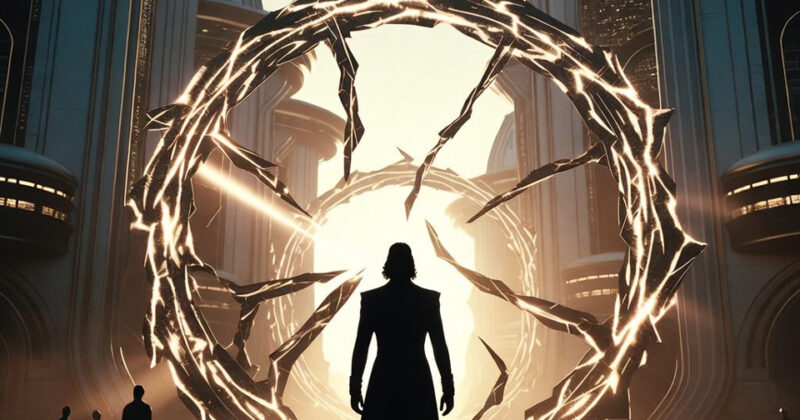
At its core, Loki is an exploration of chaos, purpose, and destiny—wrapped in an irresistible sci-fi package. The series follows Loki Laufeyson (Tom Hiddleston), freshly plucked from the timeline after his tesseract heist in Avengers: Endgame, as he falls into the clutches of the mysterious Time Variance Authority (TVA). The TVA’s mandate: keep the ‘sacred timeline’ intact and hunt down disruptive variants—including a renegade Loki. What begins as a cosmic manhunt quickly unfurls into a sprawling saga of branching realities, metaphysical philosophy, and quantum-level stakes. Time loops, reality-hopping, and the TVA’s vintage-meets-futurist aesthetic give every episode a singular flavor that stands apart from any prior Marvel property.
Layered Writing and Mature Storytelling
Unlike other MCU offerings, Loki refuses to dilute its science fiction for easy laughs or spectacle. The show’s creative team—spearheaded by showrunner Michael Waldron, directors like Kate Herron, and writers including Bisha K. Ali—embraces complexity. Each episode delves into existential questions: Who decides fate? Can one write their own story? The narrative grapples with these themes via multiversal doppelgängers, apocalyptic backdrops, and morality that’s never black or white. It’s a storytelling approach more reminiscent of philosophical sci-fi cinema and modern genre TV milestones than typical superhero fare.
The Cast That Brought the Multiverse to Life
One factor behind Loki’s impact is its cast. Tom Hiddleston’s performance is sly, haunted, and deeply empathetic; he shares electric chemistry with Owen Wilson’s Mobius and Ke Huy Quan’s OB. Each actor is given genuine arcs and narrative space—rare in ensemble-driven properties. The series also expands the MCU’s visual vocabulary, with production values that rival high-budget movies. From the dusty, analog architecture of the TVA headquarters to the kaleidoscopic chaos of time branches collapsing, every scene feels carefully crafted and alive.
Loki’s Appeal Beyond Marvel Fandom
What truly sets Loki apart is its accessibility. You don’t need encyclopedic knowledge of Marvel lore to savor the story; a passing understanding of Loki’s villain-turned-antihero journey will suffice. The show weaves in exposition so anyone can follow the TVA’s rules and stakes, even as long-time fans catch subtle Easter eggs and deeper mythology. The arrival of Kang the Conqueror and his variants is a bonus, not a prerequisite—making Loki a gateway to both the Marvel universe and premium science fiction television.
Defining the Future of Sci-Fi on Streaming
Loki raised the stakes for Marvel and for Disney+, boldly committing to narrative experimentation and emotional depth. It’s in the same league as Andor for Star Wars aficionados, both series proving that high-concept genre storytelling can thrive in mass-market franchises when helmed with vision and courage. As streaming platforms continue to chase the next big hit, Loki stands as a benchmark—ambitious, entertaining, and endlessly inventive in its exploration of time, identity, and destiny.