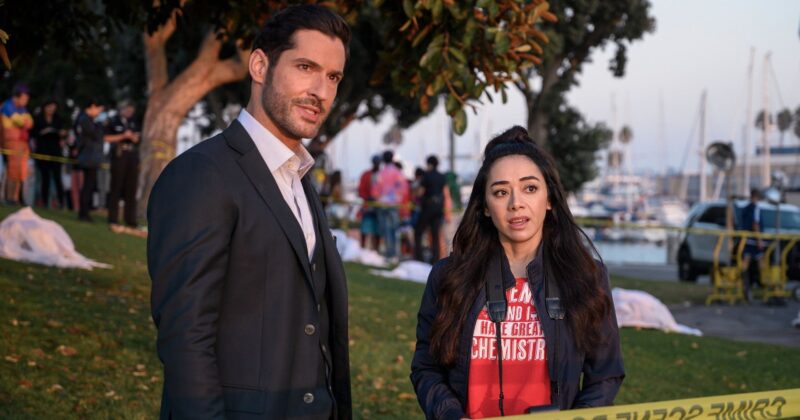
Why Lucifer Remains a Global TV Phenomenon: Impact, Fan Campaigns & Lasting Legacy

The Enduring Power of Lucifer: More Than Just a Procedural
When Lucifer first debuted, it seemed like another intriguing entry into the crowded world of supernatural procedurals. Yet, few could predict the massive global footprint it would leave—thanks, in no small part, to its fiercely dedicated fanbase and its captivating blend of crime, comedy, and metaphysical drama.
Aimee Garcia and the Unexpected Influence of Ella Lopez
Aimee Garcia, who brought forensic scientist Ella Lopez to life from the second season onward, has witnessed firsthand how the show continues to resonate around the world. In a recent conversation during a festival media event, Garcia described the surreal experience of meeting fans as far-flung as Bahrain, Puerto Rico, Brazil, and Ireland. ‘I felt like the Beatles over there’, she recounted, highlighting how fans from vastly different cultures saw a reflection of themselves in Ella’s optimistic, science-loving persona. For young women, especially, Ella has become a source of inspiration—proving that pop culture representation can open real-world doors to STEM fields.
The Fan Movement That Changed Streaming History
The seismic shift for Lucifer occurred when, after an unexpected network cancellation, fans launched a robust social media campaign to save their beloved series. The pressure worked. Within weeks, Netflix picked up the show, delivering three additional seasons that expanded its reach and deepened its mythos. This wasn’t just a tactical win for the audience, but an early sign of how fan mobilization in the streaming age can directly shape the trajectory of beloved series. It’s this kind of community power that has since become a touchstone in modern TV culture.
The Show’s Unique Global Connection
Part of Lucifer’s magic lies in its ability to cross borders and boundaries. United by dark humor, metaphysical stakes, and a sense of camaraderie among the cast, fans in Australia, India, and Mexico have found themselves bonding over the show—despite cultural differences. Even more striking is how people from all walks of life identified with characters who felt honest, flawed, and, ironically, quite human—whether that’s the literal Devil struggling with love, a forensic scientist fighting for truth, or a detective searching for meaning. It’s rare for a TV show to create such a genuine sense of broad communal experience, especially in an era often marked by division.
Lucifer’s Creative Legacy and Future Possibilities
While showrunners Joe Henderson and Ildy Modrovich have publicly stated that the narrative arc reached its natural conclusion, the era of revivals and spinoffs means the door is never completely closed for a series with such a potent fanbase. For now, viewers continue to revisit the show’s 93 episodes, available to stream on Netflix, reliving every moment of devilish wit, heartfelt confession, and cosmic intrigue that made the series a standout.
Beyond the Screen: The Cultural Ripple Effect
The enduring affection for Lucifer signifies something bigger than just love for a series. It’s about storytelling that forges connections across continents, prompting fans to support STEM careers, push for more representation, and advocate for the media they love. Whether fans are rewatching a favorite police/love/fantasy hybrid, collecting character-inspired graphic tees, or discussing ‘what comes next’ for TV’s most charming devil, Lucifer’s global impact burns bright—and shows no sign of flickering out.