The Unmistakable Absence of Taylor Sheridan’s Signature on ‘Marshals’
‘Marshals’, the latest spinoff within the Yellowstone universe, launched with eager anticipation from fans craving more of Taylor Sheridan’s neo-Western storytelling. However, just a few episodes in, the series reveals a crucial missing ingredient: Sheridan’s distinct creative voice is less present than ever, and this void is being felt across every scene and plot twist.
Procedural TV Meets the Yellowstone Legacy – But At What Cost?
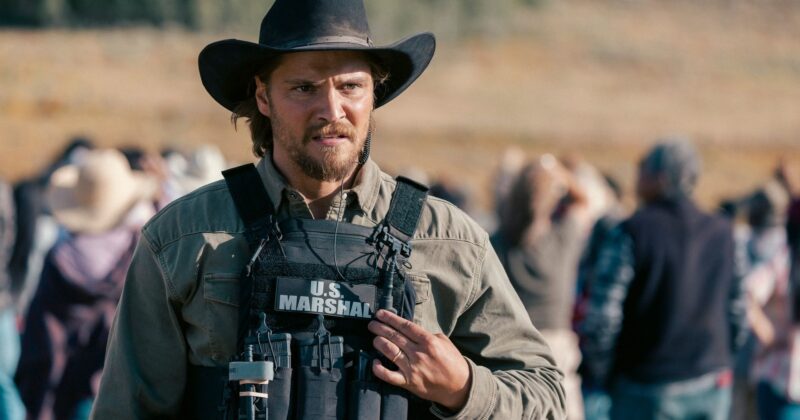
Unlike its predecessors, ‘Marshals’ veers into classic CBS procedural territory. The shift feels like a conscious move to open the saga to mainstream network audiences, but the trade-off is immediately noticeable. Shedding much of the gritty language and raw violence that have become quintessential to the Yellowstone brand, ‘Marshals’ takes an almost sanitized approach, with its stories pivoting around Kayce Dutton (Luke Grimes) now serving as a U.S. Marshal. The ensemble of federal agents gives a nod to tradition, but in doing so, the series loses the poetic, rough-edged urgency that Sheridan’s scripts typically deliver.
The consequence? The dialogue feels less snappy, the stakes less visceral. The thrill that previously danced beneath Beth Dutton’s razor-sharp barbs or John Dutton’s brooding declarations is subdued here. Even moments meant to pack an emotional punch land softer, resulting in drama that can often feel muted, even when bullets fly.
Sheridan’s Approach: Quality, Consistency, and the Power of Authentic Dialogue
Taylor Sheridan’s hallmark as a showrunner is total immersion in his projects, from writing every word of ‘Yellowstone’ to shaping entire character arcs in spinoffs like ‘1883’. His writing style is a blend of terse frontier stoicism and poetic melancholy. This led to crafted moments worthy of analysis in screenwriting courses—such as Beth’s scathing one-liners or the philosophical musings peppered throughout ‘1883’.
With ‘Marshals’, the difference is clear: Sheridan is onboard as a producer only, stepping back from the writing room. This creative distance means the show operates with less clarity of purpose. Some plotlines—such as Kayce’s ongoing connection to the Broken Rock reservation—are compellingly drawn but feel awkwardly juxtaposed against more generic case-of-the-week plots. The result is an ongoing identity struggle, as the series treads uneasily between being a ‘Yellowstone’ descendent and a formulaic police procedural. The loss isn’t just tonal; it’s structural, affecting the show at every level from characterization to pacing.
Identity Crisis: Torn Between Two Television Worlds
‘Marshals’ has been described by some viewers as ‘NCIS: Yellowstone’, and the comparison isn’t baseless. The series borrows heavily from procedural conventions—setups, gunfights, case resolutions—but never leans into them enough to feel committed. Action sequences are polished yet seem overblown for the legacy of Yellowstone, and several characters stand in for greater stories yet lack the gravitas Sheridan’s handiwork would have imparted.
Monica Dutton’s death and the fallout for Kayce is a glimpse of the personal drama the franchise trades in, yet even those moments have been flagged by fans and critics as lacking depth and nuance. Where ‘Yellowstone’ would allow grief and anger to simmer, here it’s smoothed over by plot requirements and structural brevity.
Can Sheridan’s Involvement Save the Show?
Certainly, ‘Marshals’ is not without its merits: solid ratings and standout performances hint at an underlying potential. Still, the critical gap persists. Sheridan may never return to writing every script himself, but an increased creative hand—from providing in-depth script input to directing pivotal episodes—could help the spinoff channel the authenticity and tension that defined the Yellowstone legacy.
Given the sprawling popularity of the Yellowstone franchise, this is more than just a passing concern. Taylor Sheridan’s brand is now synonymous with modern, mythic Western drama—a cultural lens through which audiences engage not just with stories of land and legacy, but moral ambiguity, modern American conflict, and the burdens of leadership. The ‘Marshals’ experiment stands at a crossroads, needing more than procedural polish to satisfy both longtime fans and network newcomers.
Kayce Dutton’s journey as an ex-Navy SEAL and Montana lawman remains a compelling concept. The series only needs to rediscover the voice that made Yellowstone and its siblings beloved: sharp, unsparing, deeply human, and unapologetically bold.