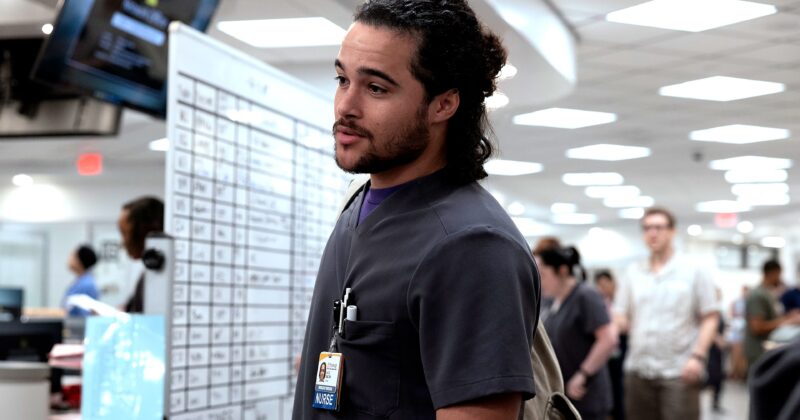
Why Mateo’s Night Shift Makes The Pitt Even More Compelling

Introducing a New Dynamic in The Pitt: The Significance of Mateo’s Night Shift
The latest season of The Pitt has brought fresh energy and a wave of narrative experimentation to the acclaimed medical drama. One of the most notable shifts is the return of Jalen Thomas Brooks as nurse Mateo — not on the bustling day shift as before, but navigating the intense and often unpredictable world of the night ER.
Reinventing Familiar Characters for New Storytelling Layers
Mateo’s transition to the night shift is more than a simple scheduling workaround; it’s a carefully considered narrative decision. Moving a familiar and beloved character into a setting that feels new both for the actor and viewers allows the audience to have a touchstone during storytelling transitions. As Brooks noted, his presence alongside Shawn Hatosy’s Dr. Abbott during nighttime hours helps sustain a sense of continuity as the show introduces a wave of new cast members and faces late-night emergencies with a fresh perspective.
This approach creates an «entry point» for fans—viewers witness the night shift through the eyes of someone they know, making the pivot less jarring and more organic. It also gives returning actors the space to showcase new aspects of their roles. For Mateo, trading the daytime chaos for nighttime calm has allowed Brooks to play with «a more settled demeanor,» reflecting his character’s growth since enduring the horrific PittFest incident that shaped the emotional landscape of the show.
A Narrative and Production Balancing Act
Behind the scenes, Brooks’ commitment to another major project meant the creative team had to be nimble, but this scheduling hurdle ended up serving the narrative. By tying Mateo to the night shift, the writers could naturally integrate his limited availability, keeping him relevant and giving the series a new direction. This clever fusion between practical concerns and storytelling finesse demonstrates a level of production savvy that keeps the show feeling grounded and alive.
The Night Shift: Grit, Teamwork, and Authentic Medical Drama
Mateo’s arrival on the night shift isn’t just a narrative formality—it serves a dual purpose. First, it grounds the audience within the changing fabric of the hospital. Second, it puts Brooks back in the heart of the action, dropping him straight into critical cases where urgency and realism command the tone. From managing the aftermath of a cyberattack pushing the hospital to analog procedures, to treating complex cases like Orlando Diaz’s relapse after a diabetic crisis, every scene pulses with a sense of verisimilitude.
Brooks has been candid about the unique challenges of returning to such a high-stakes environment—not just acting, but mastering medical terminology, tools, and the relentless pace of an ER that never truly sleeps. The synergy between cast members, old and new, echoes the organic teamwork found on real hospital night shifts. This camaraderie translates on screen, creating what Brooks describes as a real «Nightcrawlers’ team dynamic» that sets the tone for the late-season episodes.
The effect of these creative choices is reflected not just in the chemistry on set, but in the show’s skyrocketing ratings and critical acclaim. Doubling its viewership and landing a near-perfect approval from critics, The Pitt stands as a testament to what happens when storytelling evolves to suit both its characters and its audience—without missing a single heartbeat.