Why Mike Flanagan’s Carrie TV Series Could Redefine a Horror Classic

Mike Flanagan Refreshes Stephen King’s Carrie for a New Era
The announcement that Mike Flanagan, a recognized master of contemporary horror TV with hits like The Haunting of Hill House and Midnight Mass, is developing a television reimagining of Stephen King’s seminal novel Carrie has the horror community abuzz. Flanagan’s deep understanding of character psychology and narrative tension could be just what Carrie needs to resolve its most problematic element: the ending.
The Problem with Carrie’s Endings in Book and Film
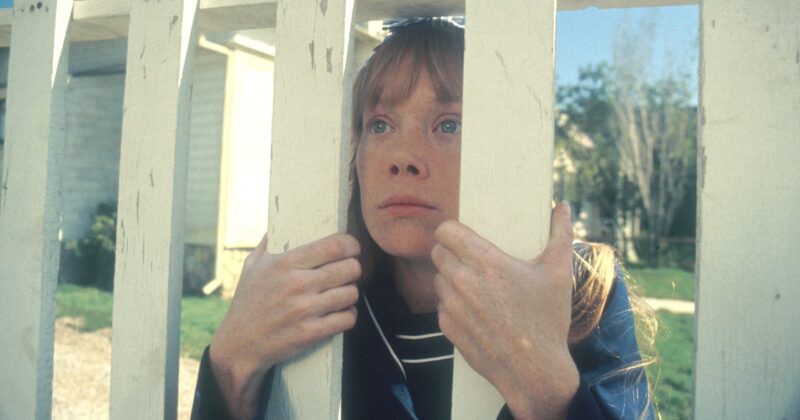
Since its publication, Carrie has gripped readers with its visceral look at teenage torment and supernatural revenge. Adapted famously for the big screen with Sissy Spacek’s haunting portrayal and again in a more modern setting with Chloë Grace Moretz, each iteration has built upon the trauma and spectacle that define King’s first major character. Yet both the original novel and its film adaptations fall short in their conclusions—often leaving viewers and readers with a sense of something unfulfilled.
Stephen King’s original vision ends with Carrie dying alone in the woods after unleashing devastation on her town, making for a bleak but oddly anticlimactic finish. Brian De Palma’s film left a chilling yet ambiguous mark, as Sue’s nightmare about Carrie’s lifeless hand seizing her from the rubble cemented its place in horror lore but dodged a real resolution. Even the latest movie adaptation could not escape this semi-ambiguous cycle, hinting at survival with a scream but offering little true catharsis.
How Flanagan’s Approach Can Transform Carrie’s Story
Flanagan, now one of Stephen King’s trusted adapters, brings a unique ability to dissect the inner lives of haunted characters. Fans and newcomers alike can expect more than a simple retelling; this new series promises a thorough exploration of Carrie White’s mindset, trauma, and agency—exactly what previous endings lacked.
Current details indicate the TV adaptation will be a complete reimagining, not merely a reproduction of familiar events. This is critical for a property like Carrie, whose themes of bullying, isolated adolescence, and religious extremism are potent but demand a modern perspective. Flanagan’s signature focus on character depth may finally allow the audience to experience Carrie’s struggles as more than a supernatural tragedy, potentially granting her story a conclusion that feels earned, insightful, and unambiguously powerful.
The Trend of Disappointing Endings in Stephen King’s Adaptations
Many classic King stories—from It to Under the Dome—share a tendency to stumble in their resolutions, often relying on conventions like deus ex machina or abrupt wrap-ups that diminish the build-up’s strength. Carrie stands apart because its payoff feels emotionally incomplete rather than outright poor, an issue that’s only magnified in cinematic adaptations. This is where a serialized format can shine, giving space for nuanced character development and narrative closure that movies, bound by restrictive runtimes, rarely achieve.
Modern Relevance and Audience Connection
Today, topics such as social ostracism, the impact of digital-age bullying, and the nuanced legacy of parental control are more relevant than ever. Flanagan could anchor Carrie in real-world horror—where psychological scars are as terrifying as telekinetic carnage. If executed with the same narrative care and emotional insight as his past work, this adaptation could not only satisfy longtime fans but also resonate with a new generation for whom Carrie’s story is more than just a tale of supernatural vengeance. Instead, it becomes a chilling mirror of the challenges modern teens face, fused with all the tragic beauty of King’s original vision.