Why Is It So Hard to Succeed at Making Android Phones?
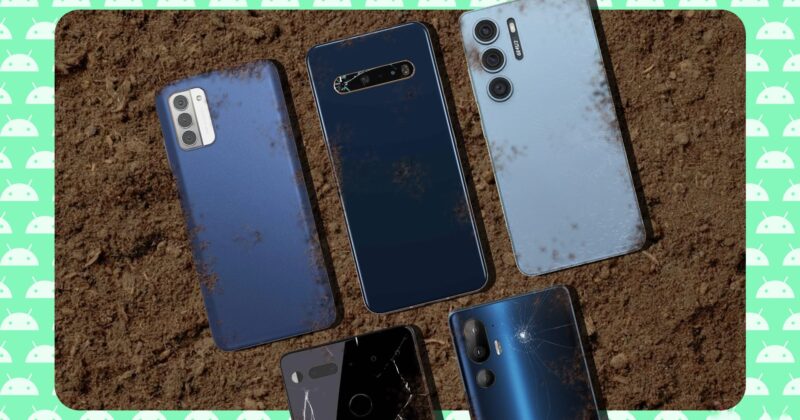
As the smartphone industry evolves, entire lineups of Android brands have appeared and vanished, often leaving only a whisper of their existence. While it’s easy to understand why ambitious startups like Nextbit and Essential struggled to gain traction, it’s much more striking when industry titans like LG and Sony also fall short. The question resonates across the tech world: what makes it so tough to build a successful Android smartphone?
The Daunting Costs Beneath the Surface
Unlike developing a new app or launching a web service, crafting a smartphone involves a minefield of logistical and financial challenges before a single device ever touches a consumer’s hand. The process starts with multi-million dollar prototyping and design phases, followed by the arduous task of sourcing processors, memory, displays, camera modules, and batteries from an ever-cautious supply chain. Many suppliers have been burned by past failures and are wary of new entrants, making even basic component sourcing a challenge unless you’re a recognized powerhouse like Samsung or Apple.
After hardware comes software: securing the right licenses, navigating a jungle of patents, passing certifications, and forming agreements with mobile carriers. Every device needs tailor-made firmware, which teams of developers must build and update constantly. It’s not a one-time expense—the commitment to software support lingers years after launch, often eating profits before a single positive review lands. For context, the development of a mid-range device from a well-connected brand required an estimated $50 million simply for research and development. Costs continue to climb, especially for new brands trying to make a mark.
The Overwhelming Power of Brand Familiarity
When you hold a smartphone, you’re not just carrying a slab of glass and silicon—you’re engaging with a deeply personal device. Brand loyalty in smartphones is fierce, often outweighing technical advantages. Most people will stick to the devices and software they know. Habit, trust, and the friction of learning new operating system quirks keep most users within the embrace of established giants, regardless of how impressive the underdog’s specs may be.
Market share numbers speak volumes: Apple commands roughly 60%, while Samsung holds second place. Within the Android world, Samsung takes up over half of the pie. Even high-value alternatives from younger brands like Nothing or Fairphone face an uphill battle. Why choose an unproven name for your next upgrade when Samsung and Google not only offer competitive hardware but long-term reliability, software updates, and massive support ecosystems?
Even Tech Giants Can Stumble
It’s not just small startups facing obstacles. Enormous electronics giants have also faltered in their quest to gain Android market share. Consider LG, Sony, Nokia, ASUS, and others—companies that have moved millions of devices across other categories. The smartphone battlefield is unforgiving, relentlessly thinning the ranks of both newcomers and once-dominant forces. LG, for instance, once a serious contender with major hits in the early Android years, ultimately exited the market entirely. Sony’s mobile division remains a shadow of its former self, despite successes in TVs, cameras, and gaming consoles like PlayStation.
Specs Aren’t Always the Trump Card
The hardware arms race is real: faster SoCs, brighter displays, camera wizardry, and huge batteries all strive for consumer attention. But in practice, actual buying decisions are emotional. A cutting-edge device delivered by an unknown or microbrand isn’t likely to beat a more modest offering from Samsung with its decades-long track record. Consider the choice between a feature-packed REDMAGIC or a discounted mainstream Galaxy A-series—most users will gravitate to what’s proven, even if raw specs tell a different story.
Is There Room for New Android Brands?
The door for fresh faces in smartphones isn’t closed, but it’s been narrowed by years of consolidation, high entry costs, and user expectations. While microbrands may survive by carving out distinct niches—appealing to gamers, privacy fans, or those wanting repairable designs—they’ll likely remain on the fringe. For the mainstream, the smartphone world is dominated by familiar logos, trusted support, and a community of users who value assurance over risk.
For a new Android phone company, it’s not enough to just build a great device. Success demands deep pockets, marketing savvy, relentless support, and a bit of luck—plus the patience to weather the habits and loyalty of everyday users who view their phone as more than just a gadget.