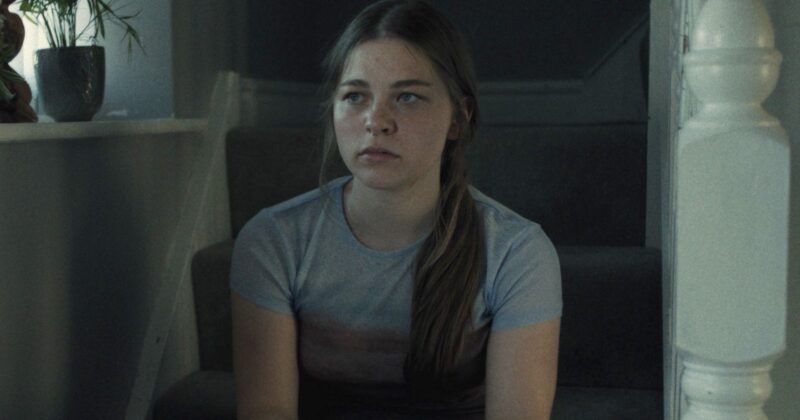
Netflix’s New Benchmark in Crime Drama: ‘Adolescence’ and Its Unmatched Impact
Every once in a while, a streaming service lands a series so impactful that it sets an entirely new standard for the genre. ‘Adolescence’ is exactly that—a four-part crime drama that has taken viewers and critics by storm with its intense, deeply emotional storytelling and stunning performances. What makes this show different from countless other entries in the crowded crime drama arena is its strict focus and self-contained narrative, offering a singular story that lingers in the mind long after the credits roll.
The Anatomy of a Perfect Limited Series
‘Adolescence’ isn’t designed for easy binge-watching. Its four meticulously crafted hour-long episodes are emotionally heavy, demanding the audience’s undivided attention at every turn. The narrative stands out by presenting the aftermath of a harrowing crime from multiple perspectives—a technique that doesn’t just enrich the storyline but also invites viewers to confront the uncomfortable complexities of modern teen life. The series expertly explores themes of adolescent masculinity, the ripple effects of online misogyny, and the far-reaching influence of fathers and peers. Each angle feels painfully real, with resonance that goes well beyond surface-level drama.
The show’s power is amplified by career-defining performances from Stephen Graham, Erin Doherty, Christine Tremarco, and the remarkable screen debut of Owen Cooper. Authenticity is the operative word here, with every actor delivering scenes that are raw, intimate, and utterly believable. Behind the camera, the commitment to creative excellence shines even brighter. Each episode was filmed in a single, continuous shot—an audacious technical feat demanding endless rehearsals and tight collaboration between cast and crew. The result is an immersive experience that rivals the most ambitious efforts seen anywhere in serialized television.
The Risk of Diluting a Masterpiece: Should There Be a Season 2?
Streaming platforms have developed a habit of transforming their most successful miniseries into sprawling multi-season franchises. But this trend rarely works in favor of the original. ‘Adolescence’ is a prime example of a show that achieves its power precisely by being self-contained. The conclusion of Jamie Miller’s tragic journey is meant to be final; any extension would risk undermining the show’s challenging ambiguity. Audiences have grown attached to the difficult questions raised by season one, and providing subsequent answers could only diminish the show’s emotional and thematic resonance.
History is littered with TV sequels that couldn’t match their predecessors and, instead, dragged down the legacy of the original. For ‘Adolescence,’ the bar is set so high that a second season would have an almost impossible task: it would need to deliver an entirely new perspective that could rival the artistry, intensity, and cultural relevance of the debut season. Otherwise, both the show’s unique identity and its hard-won reputation could be at serious risk.
Anthology Potential: A Wiser Path Forward?
There’s an intriguing possibility that ‘Adolescence’ could be re-imagined as an anthology series, with each season tackling new stories tied only by the broad theme of teenage trauma and societal pressures. The very title—deliberately ambiguous and universal—has always hinted at this potential. While the first season zeroed in on the influence of toxic online subcultures on vulnerable boys, this is just one of many possible angles that could be explored in subsequent instalments. From racial identity to economic inequality, or the unique pressures faced by young women, the spectrum of adolescent struggles is incredibly wide and largely untapped on mainstream television.
By adopting an anthology format, ‘Adolescence’ could keep pushing boundaries without becoming stale or repetitive. Such an approach would allow new creative voices and social issues to take center stage, ensuring that the show remains as daring and unpredictable as it started. This would also allow the legacy of its first season to remain unsullied—an enduring, standalone masterstroke in crime storytelling.
How Season 2 Could Redefine the Series—If It Happens
Recent comments from creator Stephen Graham suggest that new episodes are on the horizon, yet details remain tightly under wraps. If the series does return, change needs to be at the heart of its evolution. New characters, fresh perspectives, and uncharted social dilemmas should take priority over retreading old ground. For example, bringing a female protagonist to the forefront would open up unexplored narratives about gender, power, and resilience among teens—perspectives that were left largely in the background during the first season.
There’s a clear sense in the streaming landscape that, when handled with vision, anthology series can revolutionize how audiences engage with storytelling. Titles like ‘Black Mirror’ and ‘True Detective’ have thrived by resetting their narratives each season, keeping things fresh and relevant. ‘Adolescence’ joining this club could be exactly the move needed to preserve its status among the very best in recent television, while also giving a platform to bold, new stories that demand to be heard.