Why Netflix’s ‘Little House on the Prairie’ Reboot Offers a Fresh Take for Modern Western Fans

The New Western Frontier: Netflix’s ‘Little House on the Prairie’ as a Different Breed
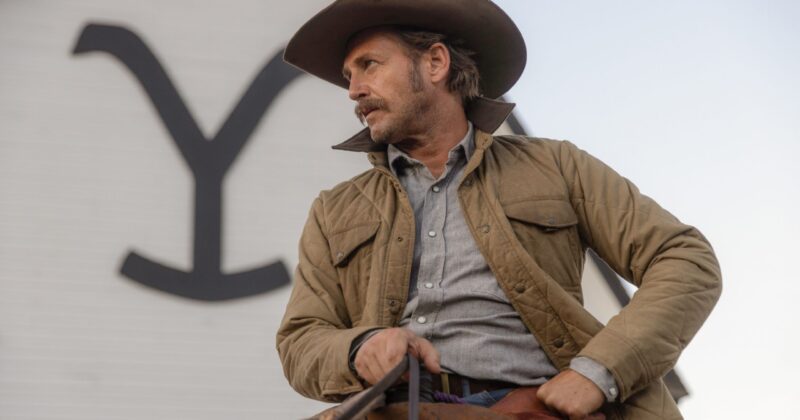
For anyone feeling saturated by the gritty landscape and complex morality of ‘Yellowstone’, Netflix’s upcoming reboot of ‘Little House on the Prairie’ provides a compellingly different path into the Western genre. While Taylor Sheridan’s acclaimed series explores the violent and often ruthless power struggles of the Dutton clan set against contemporary Montana, the new adaptation of Laura Ingalls Wilder’s classic stories promises something both nostalgic and timely—a Western that foregrounds community, resilience, and the realities of survival in a way rarely seen on screens today.
‘Yellowstone’ vs. ‘Little House on the Prairie’: Two Western Worlds
On the surface, both ‘Yellowstone’ and ‘Little House on the Prairie’ revolve around families eking out a life in the harsh, beautiful American West. The similarities, however, end there. Sheridan’s work is defined by modern land disputes, shifting alliances, and a sometimes Shakespearean scale of betrayal and revenge. Issues like corruption and rural crime run deep, weaving a tapestry where violence is often a necessary tool for survival. Relationships and love may ground the story, but the world they inhabit is unapologetically tough.
By contrast, the original ‘Little House on the Prairie‘ embraced a more optimistic spirit, centered on the Ingalls family’s tight-knit bonds and determination. While not without its darker moments, the heart of this drama has always been the resilience—and inherent goodness—of its characters. Yet, the previous series opted for a highly romanticized version of frontier life, rarely portraying the true scope of disease, poverty, and systemic inequalities endemic to the era.
What Makes This Netflix Reboot Stand Out?
Netflix’s new vision is poised to break from both extremes: it won’t replicate ‘Yellowstone’s’ hard edge nor fall back on the overly sanitized nostalgia of its predecessor. Instead, viewers can expect a show that directly tackles the historical context of the late 1800s. The stakes here are just as high, with the constant specter of illness and the struggle for sustainable farming, but the focus shifts toward the daily hurdles and small triumphs that defined real pioneer life.
This new approach has the potential to deliver a richer, more authentically diverse Western world. Expect nuanced characters, including Indigenous people whose experiences and perspectives get more than a token mention. Netflix has consistently responded to calls for more inclusive casting and storytelling—see the success of ‘Dark Winds’ and the female-driven revenge drama ‘Godless’, both of which challenged long-standing genre conventions.
A More Honest Portrayal—With Modern Resonance
One major update is the treatment of women. The original ‘Little House on the Prairie’ was a product of its time, presenting women’s roles as limited and often secondary to the simpler tales of farm life. Contemporary audiences expect—and deserve—female characters who are active agents in their destiny. The Netflix reboot is likely to highlight the latent strength, resourcefulness, and leadership of the women who built and shaped frontier communities.
Another overdue change is a nuanced portrayal of social structures: past iterations often glossed over or minimized the effects of racism, poverty, and displacement. Today’s Westerns have begun to challenge these tropes, and ‘Little House on the Prairie’ has the opportunity to embrace a narrative that respects historical hardship without glamorizing suffering. Expect meaningful conversations about representation, identity, and what survival actually meant for different groups in the American West.
What the Cast and Tone Say About This Reinvention
The casting of Alice Halsey as Laura Ingalls, alongside Luke Bracey as Charles and Crosby Fitzgerald as Caroline, points to a strong ensemble focused on authentic period drama laced with emotional complexity. Families and viewers ravenous for high-stakes drama will still find their share of tension and challenge, but it’s the resilience and mutual support that promise to define the tone here. Rather than seeking escapism through power plays, the story finds the value in forging ahead—in the face of relentless uncertainty—with integrity, conviction, and hope.
Netflix’s adaptation of ‘Little House on the Prairie’ feels poised to bridge two worlds: it nods to the classic roots of the genre while opening fresh conversations about identity, survival, and what makes a family. Modern Western fans, and anyone interested in TV’s power to reinterpret history, should keep a close eye on this series as it prepares to enter the cultural conversation anew.