Why New Lord of the Rings Movies Might Make Us Reevaluate The Rings of Power

The Surprising Turn in Middle-earth’s Cinematic Journey
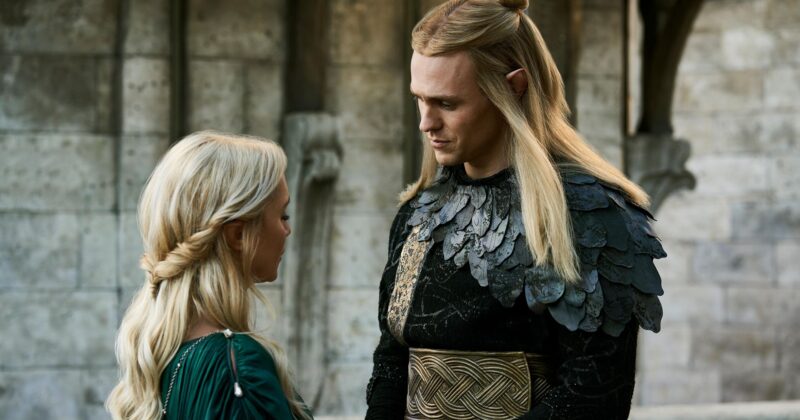
For years, The Lord of the Rings: The Rings of Power on Prime Video has weathered intense criticism, both fair and absurd. Notably, it struggled to dethrone the near-mythic status of Peter Jackson’s epic trilogy, a feat few expected would be easy. Despite Prime Video’s ambitious and visually spectacular dive into Tolkien’s Second Age, audience reception has been cautious at best: Rotten Tomatoes hovers at a mere 48% positivity from viewers. Some criticisms veered into trivial territory—rife with baseless complaints about cast diversity—while others lamented creative liberties, narrative pacing, or the introduction of wholly non-canonical storylines.
The Franchise Escalation: More Rings Than Ever
When Warner Bros and New Line Cinema announced a new avalanche of Lord of the Rings films, the fandom collectively held its breath—and raised an eyebrow. The franchise that expanded from Jackson’s legendary trilogy into the polarizing Hobbit movies is now ballooning further. Recent years brought us the animated feature The Lord of the Rings: The War of the Rohirrim, and anticipation is building around Andy Serkis’ directorial effort, The Hunt for Gollum. But perhaps the most intriguing upcoming release involves Stephen Colbert, whose encyclopedic Tolkien fandom will drive a new film adapted from unseen moments in Tolkien’s original books—scenes omitted even from Jackson’s canon.
Yet this burst of creative output raises a question: Is the Lord of the Rings universe rushing headlong into franchise fatigue? Pop culture history has shown us that over-expansion can dilute even the most cherished legacies. For fans, it’s a mixed blessing. On one hand, Colbert’s passion for Tolkienian lore could signal a return to heartfelt storytelling. On the other, the sheer volume of new content risks overwhelming what made the original films stand apart: focus, nuance, and reverence for the source material.
Rings of Power: Critique and Context
The Rings of Power became a battleground for intense debate not because it was a hopeless failure, but because any new Middle-earth tale must bear the weight of impossible expectations set by Jackson’s work. Compressing events across centuries and interweaving fresh, sometimes divisive characters into the tapestry of Tolkien’s world was a creative gamble. Purists balked at deviations from lore, while casual fans sought something immersive and visually grand. In the end, Rings of Power dared to occupy an uncharted era in Middle-earth’s timeline, offering a fresh alternative to the well-trodden events of the Fellowship.
This experimentation may not have always worked, but it did carve out a unique slice of lore—a move that, in retrospect, feels more authentic compared to what a relentless string of sequels and spinoffs might become. Where Rings of Power at least tried to fill narrative gaps, the many new films risk blurring the line between reverence and franchise overkill. With the planned movies exploring every corner of Tolkien’s universe, the focus shifts precariously from storytelling to brand expansion.
Where Is Middle-earth Heading Next?
With multiple projects on the horizon, from live-action blockbusters to ambitious animated features, Tolkien’s mythos is at a crossroads. On one hand, dedicated creatives like Colbert and Serkis bring authentic passion—something fandoms crave. On the other, the impending flood of titles could see Tolkien’s nuanced world reduced to just another content machine, echoing recent trends in other fantasy franchises.
Yet, there’s a vital perspective to keep in mind: Rings of Power, for all its stumbles, may ultimately prove to be a more respectful expansion of Middle-earth than some of its cinematic kin. As fans brace for a wave of new material, the show’s willingness to venture into little-seen chapters—rather than retread old ones—now feels less like a misstep and more like a bold, if imperfect, experiment. The fate of Tolkien’s legacy will hinge not just on what’s next, but on whether filmmakers remember what made Middle-earth sing in the first place.