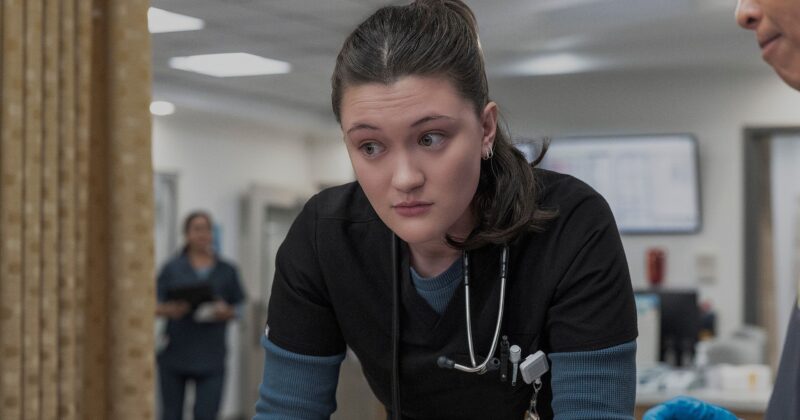
Why Night Shift in ‘The Pitt’ Feels Like a Different Universe: Inside the Chaos and Calm of HBO’s Hit Medical Drama

‘The Pitt’: Redefining the Medical Drama Experience
The Pitt has rapidly become essential viewing for anyone interested in the complex world of health care, blending the gritty realities of American medicine with high-stakes storytelling. Praised for its authenticity and psychological insight, the series—set in a bustling Pittsburgh hospital—dives deep into the lived experiences of frontline healthcare workers, shining a light where few dramas dare to look.
The Night Shift vs. Day Shift: A Tale of Two Hospitals
At first glance, a hospital might seem to maintain the same pulse no matter the time. Yet, as season 2 star Jalen Thomas Brooks (Nurse Mateo Diaz) explains, night and day shifts create entirely different worlds. The night shift often walks the tightrope between chaos and calm, sometimes eerily still, other times erupting without warning. Scenes are informed by real ER nurses—like Ambar Martinez, Jamie Watkins, and Melette Le Blanc-Cabot, who bring their genuine experience as background performers to the set—helping ground the series in actual frontline reality.
Brooks reveals that night shift workers encounter a unique spectrum of patients—often quirkier, sometimes more distressed—who come through the ER doors after midnight. The professionals on nights aren’t simply brave; they’re a special breed, thriving in a setting where unpredictability is the only constant. Their calm amid chaos sets them apart, a trait the series explores with unusual depth.
How The Pitt Captures Real Life on Screen
What distinguishes The Pitt is its commitment to capturing not just the drama, but also the moments of quiet endurance. Day shifts may see a relentless flow of emergencies, teamwork under pressure, and tensions mounting across multiple departments. At night, the series slows down—even the lighting shifts, saturating the ER in cooler, softer hues, echoing the unpredictable emotional landscape: it might be calm for hours, or suddenly explode with life-or-death intensity.
Brooks credits the presence of real nurses for ensuring these scenes play true to life, describing how the cast is often briefed on the realities they’d be enacting. Staff must always be ready for anything—and nothing—sometimes watching over a silent ward, other times triaging the unimaginable. This balance, that edge between vigilance and exhaustion, is where the show finds both its tension and its deepest human truth.
Behind the Scenes and Critical Acclaim
Since its debut, The Pitt has earned near-universal acclaim, with critics noting its ‘great complexity’ and calling it ‘a living, pulsating television organism that’s incredibly gripping.’ For the second season, the show soared to a stunning 99% approval on Rotten Tomatoes, dominating the conversation around medical dramas. The immersive production, led by experienced showrunner R. Scott Gemmill and directors like Amanda Marsalis, benefits from a cast able to portray multi-dimensional characters under pressure—especially with NHS veteran Noah Wyle and the exceptionally talented Tracy Ifeachor in leading roles.
Streaming and What’s Next
With new episodes continuing and a third season already greenlit by the network, interest in HBO Max’s flagship medical series is set to soar even higher. The Pitt doesn’t just show the challenges faced by healthcare workers—it immerses viewers in them, building empathy for the real heroes behind the masks and scrubs.
No wonder The Pitt is considered not just TV, but a cultural event—offering timely insight as healthcare narratives claim a central place in popular media.