The Masterclass in Tension: Sergio Leone’s Unmatched Western Opener
No other Western film has managed to captivate audiences from its opening moments quite like Once Upon a Time in the West. Sergio Leone’s approach to storytelling—and in particular, to pacing—transcends genre conventions. The very first minutes of this film aren’t just an introduction; they are, in themselves, a self-contained lesson in how to craft cinematic suspense.
Patience as Art: A Lesson in Visual Storytelling
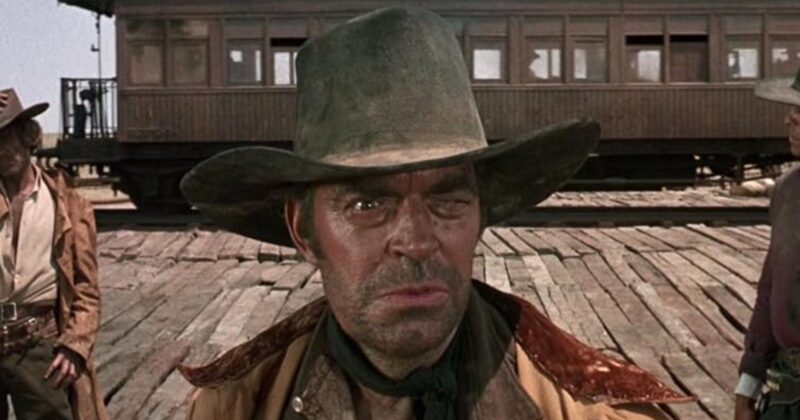
Modern audiences are notorious for their craving for instant gratification. Today’s films often rush to present their central conflicts, rarely giving moments space to breathe. Leone, however, had no interest in shortcuts. The opening scene of Once Upon a Time in the West unfolds over a staggering fifteen minutes—a bold move, but an absolutely essential one. We are introduced to three hardened outlaws waiting in isolation at a desolate train station, letting the environment do most of the talking. Every creak, every drop of water, and even the buzzing of a trapped fly push the tension higher. Leone’s meticulous attention to background detail turns the station into a living character, anchoring viewers within the film’s world long before a line is spoken.
Subverting Expectations: Building Up, Holding Back
This introduction is more than a slow burn; it’s a complex buildup to the gunfight that has become iconic in Western cinema. Yet, unlike the high-noon showdowns of earlier films, the emphasis here isn’t on the violence itself, but on the anticipation. The outlaws are clearly waiting for someone, and as viewers, we’re forced to share in that wait, feeling the same nervous, parched isolation they do. When Charles Bronson’s enigmatic character Harmonica finally arrives, the atmosphere is vibrating with suspense only Leone could orchestrate.
Every Second Matters: Character Depth Without Dialogue
It is rare for a film to give such life and individuality to unnamed outlaws in such little time. Before a single bullet is fired, each antagonist is distinct—recognizable not just in appearance but in their mannerisms. The man who listens to the fly trapped in his gun barrel, the one collecting every drop of water from his hat; these actions are loaded with personality. The immediate violence, when it finally erupts, lasts less than ten seconds—startling in its brevity after so much buildup, and unforgettable in its execution.
Immersion Versus Instant Engagement
What truly sets this opener apart is its refusal to pander. Rather than desperately grabbing for your attention, it immerses you, steadily drawing you into its harsh frontier landscape. Leone’s film structure in this scene operates as a microcosm of the film as a whole, with tension rising, peaking, then releasing without ever breaking the spell. Every frame is saturated with Western iconography: wind-whipped dust, the clanging of metal, sweat-streaked faces, the primordial silence of an isolated outpost. These choices are concerted, never incidental—and they’ve become the standard by which other Westerns, and opening scenes in general, are measured.
The Lasting Impact on Cinema and Pop Culture
The influence of Once Upon a Time in the West reaches into every corner of genre filmmaking. Directors and showrunners across film, television, and even gaming study Leone’s pacing and staging. When exploring modern action and drama, the fingerprints of this legendary opening are everywhere—from the deliberate dread in thrillers to the bold use of silence in contemporary prestige TV. The sequence has inspired countless creators, seen everywhere from immersive games to limited series that borrow Leone’s debt to detail and loaded pauses. The Western has evolved, but Leone’s iconic beginning remains an immovable landmark on the map of pop culture.