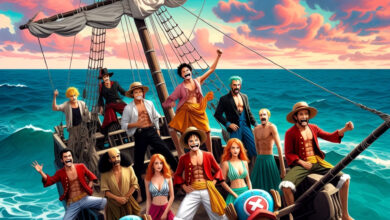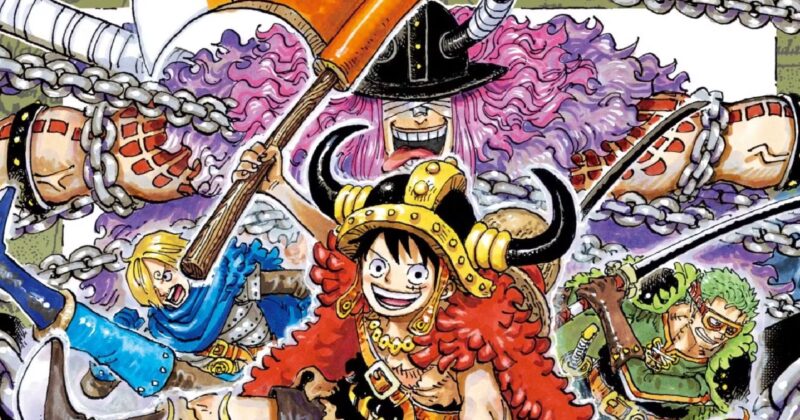
The Accelerated Pace of One Piece’s Final Arcs
For nearly three decades, One Piece has captivated readers with sprawling adventures, intricate world-building, and characters whose dreams burn as brightly as their battles. Yet as the saga begins its march toward the final chapters, a noticeable change in pacing has emerged—with the Elbaph arc acting as a prime example. Fans accustomed to deeply woven narratives are seeing the story pick up speed, but not always to the benefit of beloved plot threads.
A Legacy Built on Patience—and Payoff
The long arcs of Dressrosa and Wano are legendarily dense, introducing a host of new characters and unresolved mysteries. These storylines sometimes spanned years, giving each moment time to breathe and every revelation the weight it deserved. This marathon storytelling meant that even minor characters or loose plot points might pay off hundreds of chapters later, making every detail matter.
Elbaph and Egghead: The Shift to High-Speed Storytelling
However, with the current saga unfolding, readers of the Egghead and Elbaph arcs have noticed that Eiichiro Oda is trimming the narrative fat—sometimes too aggressively. These arcs push forward at a sprint, with less focus on side stories or the methodical build-up that defined the earlier years. While this streamlined pace can be exhilarating, it also runs the risk of brushing past moments that have been eagerly awaited by the community for decades.
The Elbaph Dilemma: When World-Building Takes a Backseat
Elbaph holds special significance in the One Piece mythology, especially for fans of Usopp and the lore surrounding the giants. Many hoped it would offer deep dives into giant culture, Norse-inspired legends, and ties to major plot threads left hanging since the earliest arcs. Yet, the arc has felt unusually brisk, cramming pivotal events into a handful of chapters and hinting that other long-awaited plotlines may receive similar treatment.
Pacing: Curse or Remedy?
The recurring complaint among readers has shifted. While some past arcs were infamous for dragging their heels, recent ones seem almost too eager to resolve themselves. It’s a double-edged sword; concise arcs allow for swift payoffs, but the risk is that emotional beats and crucial moments feel rushed or underdeveloped. The transition is clear: Oda is determined not to let the story stagnate, but this may come at the expense of the carefully laid groundwork that’s been hallmarks of the series.
What Fans Are Feeling—and Fearing
The passion of the One Piece fandom is anchored in its anticipation for long-gestating answers and showdowns. Arcs like Elbaph were more than destinations—they were promises. Now, as chapter after chapter speeds by, fans worry that not every plot thread—be it about Usopp’s growth, the secrets of the giants, or the fate of long-lost characters—will be given the depth and care they deserve.
One Piece’s Place in Pop Culture
The impact of Oda’s serial epic on anime, manga, and global pop culture is undeniable. Whether it’s Netflix’s live-action adaptation or endless fan debates on social media, expectations for the ending run sky-high. With trivia challenges, cosplay contests, and in-depth analysis, One Piece remains a cultural force, but its creative decisions in these final arcs will define not just its ending, but its legacy.
The Stakes Ahead
As One Piece enters its endgame, the balance between pace and narrative satisfaction is more delicate than ever. How the upcoming arcs strike this balance will not only shape the story’s conclusion, but inform how an entire generation remembers one of manga’s greatest journeys.