The Unmatched Brilliance of True Detective Season 1
When discussing modern TV drama, True Detective inevitably rises to the top tier of conversation. Emerging in the golden age of television, this HBO series redefined what audiences expect from a crime thriller. Yet, even as every season delivers something unique, it’s the inaugural season that stands above the rest—the rare fusion of auteur direction, pitch-perfect writing, and once-in-a-lifetime performances.
The Evolution of the Modern Detective Series
Ever since David Lynch’s Twin Peaks exploded the boundaries of television mystery, viewers have been drawn to detective narratives that flirt with the weird, the uncanny, and the outright macabre. Shows like The Outsider and The X-Files pushed the procedural into supernatural territory, while Sharp Objects veered toward a psychological, Southern Gothic chill without losing grip on reality. True Detective, however, created a totally new atmosphere—sun-bleached decay, whispering cults, and a pair of cops circling the edge of oblivion.
Why Season 1 Became a Genre-Defining Masterpiece
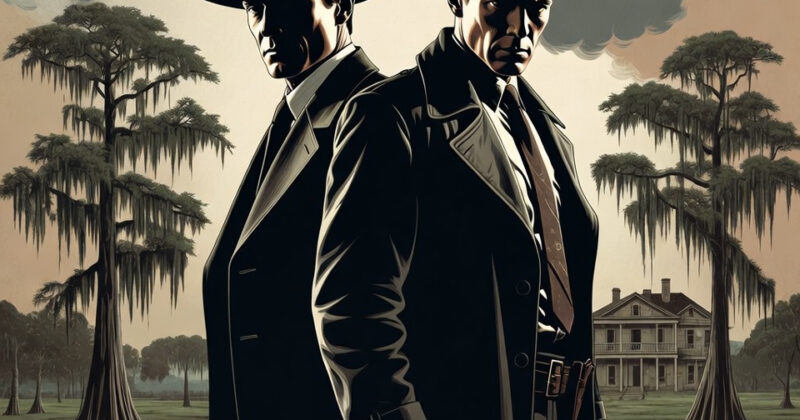
What sets the first season apart isn’t just its atmosphere or the bold narrative structure flipping between timelines—it’s the electrifying character work. Matthew McConaughey’s portrayal of Rust Cohle delivered a tormented, philosophical edge rarely seen in televised fiction, while Woody Harrelson’s Marty Hart grounded the story with a volatile, everyday charisma. Their chemistry, sometimes crackling with tension and other times cloaked in quiet desperation, is the backbone of the season’s success.
The writing by Nic Pizzolatto is unafraid to toe the line between crime drama and near-Lovecraftian horror, without ever tipping fully into the supernatural. This careful balance keeps viewers unsteady, questioning what’s real as the narrative peels back layer after layer of southern corruption and existential dread. The meticulous, slow-burn storytelling, executed through Cary Fukunaga’s cinematic direction, ensures every shot and line of dialogue contributes to the sense of lurking menace.
Later Seasons: Ambitious, Unique, but Never Equally Haunting
Each subsequent season has its own flavor. The second season pivoted to Los Angeles, assembling a dream cast—Vince Vaughn, Rachel McAdams, and Colin Farrell. However, despite standout performances, the writing faltered with overcomplicated plot webs and dialogue that strived for profundity but mostly sowed confusion. The ambition behind the casting and design couldn’t rescue a storyline too tangled for its own good.
Season 3 marked a return to the rural, haunted landscapes that made True Detective foundational. With a stellar performance from Mahershala Ali as detective Wayne Hays, this chapter explored memory, trauma, and truth through a story reminiscent of the first season. The echoes, however, became too pronounced, nearly paralleling the original’s plot beats and motifs. Although captivating, it felt more like homage than innovation.
True Detective: Night Country shifted the narrative to Alaska’s eternal night, bringing a chillingly atmospheric turn led by Jodie Foster. Despite Foster’s award-winning performance and evocative setting, the season’s ambiguous ending and overt connections to the debut outing failed to rekindle the raw magic of the original. The new direction provided a fresh visual style and tone, yet struggled to deliver the gut-punch impact that characterized season 1’s emotional journey.
The Paradox of Mystery: Why Explaining Undermines the Magic
A unique tension runs through True Detective—it’s a series that teases the supernatural without ever surrendering to it. This approach worked brilliantly in the first season, leaving viewers with haunting questions and an almost mythic sense of unfinished business. Yet, as later seasons added layers of mythology and explained away their mysteries, some of that crucial ambiguity faded. The lesson? Sometimes what isn’t revealed is what keeps a story legendary.
The Enduring Appeal of Season 1
For fans of television and pop culture, season 1 of True Detective stands as a turning point—a template for anyone looking to blend noir grit with philosophical depth and lingering terror. It’s a season defined by iconic cinematography, unforgettable characters, and a perpetual sense of unease that lingers long after the final credits roll. While each new season tries to recapture a piece of that lightning, the original remains the benchmark: a reminder that sometimes the most powerful stories are also the most unsettlingly unresolved.