Outlander: The Unexpected Champion of Fantasy Television
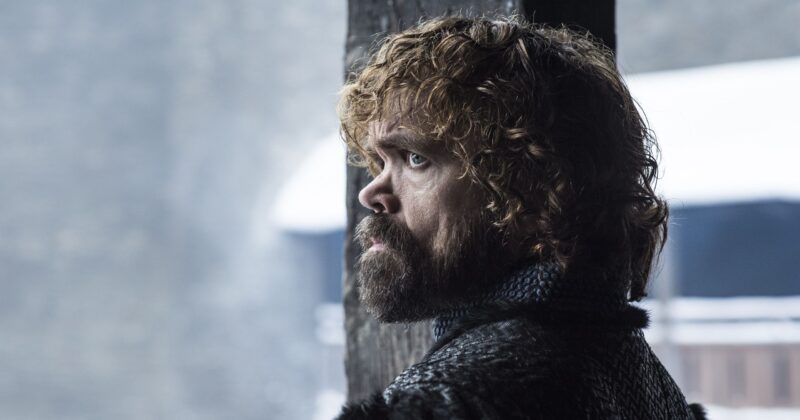
For many, Game of Thrones defined the peak of fantasy book adaptations on television, captivating a global audience with intricate political plays, sweeping battles, and dragons that set a new visual benchmark. Yet, as the landscape of TV fantasy has evolved, Outlander has quietly—and steadily—emerged to claim the crown as the true bar for the genre. With its eighth season approaching, Outlander proves that consistency and emotional resonance can outperform spectacle and shock value.
The Rich, Time-Spanning Storytelling of Outlander
Outlander is not just about fantasy elements or time travel—it’s a meticulously crafted saga centered on Claire Randall, a World War II nurse who is mysteriously transported from 1945 to 1743 Scotland. There, the series blends historical drama, romance, and suspense as Claire navigates the tumultuous era of the Jacobite risings. The chemistry between Caitríona Balfe’s Claire and Sam Heughan’s Jamie Fraser drives a narrative that seamlessly crosses continents and centuries, building a devoted fanbase with each season.
How Consistency Became Outlander’s Secret Weapon
Contrary to Game of Thrones, which famously faltered in its final seasons, Outlander has shown remarkable narrative discipline and growth. The showrunners have not rushed the story to a conclusion, allowing each arc to evolve authentically and giving characters room to breathe and surprise. As a result, fans often cite later seasons—particularly season seven—as some of the series’ strongest yet, both emotionally and structurally.
Rotten Tomatoes: The Numbers Don’t Lie
Looking at critical reception, Outlander consistently scores high on Rotten Tomatoes. From the opening season’s 92% to a remarkable 95% in season seven, the trend is positive. In contrast, Game of Thrones saw a dramatic dip, plummeting to a 55% in its final season—a testament to the growing discontent among critics and viewers alike. If there’s a metric that shows how well a series maintains its quality, Outlander clearly wins.
Outlander’s Unique Approach to the Fantasy Genre
While both series fall under the fantasy umbrella, their treatment of the genre varies significantly. Game of Thrones is medieval and epic, grounded in court intrigue, magic, and sprawling war. Outlander, however, is more intimate, exploring the personal impacts of time travel rather than grand mythologies. Its focus on historical authenticity—combined with compelling fantasy elements—gives viewers something fresh: a saga where the magic lies as much in character development as in supernatural twists.
What Could Have Been: If Game of Thrones Had Stuck Its Landing
It’s tempting to wonder how the debate would look if Game of Thrones had delivered a satisfying final season. Early on, it was nearly unassailable; but its legacy is forever complicated by its rushed and divisive ending. Outlander’s steadiness stands in sharp contrast. It hasn’t faltered as it nears its own conclusion, sparking conversations about what makes an adaptation truly great—not just visually, but in storytelling that honors its source material and audience over time.
Behind the Scenes: The Creative Minds Fueling Outlander
Much of Outlander’s success can be credited to its steadfast creative team. With showrunner Matthew B. Roberts and directors like John Dahl and Anna Foerster, the show maintains a clear vision and style. The writing team features both fresh voices and Diana Gabaldon herself, ensuring a faithful translation from page to screen without sacrificing narrative momentum. This cohesion is something many epic adaptations struggle to maintain as they grow in scope.
Where to Watch and Mileage for Fans of Genre TV
For those who want to judge the phenomenon themselves, Outlander is available on Starz and major streaming services depending on your region. If you’re a fan of series with detailed world-building, historical backdrops, and genuinely unpredictable relationships, it delivers where so many epic properties lose their way. As more fantasy novels make their way to the screen, Outlander remains a reference for structured, heartfelt adaptation work—even as the era of dragons and thrones inspires new contenders.