The Enduring Magic of ‘Parenthood’: TV’s Ultimate Feel-Good Family Series
In an era crowded with family stories, ‘Parenthood’ stands tall—not just as a feel-good drama, but as a vivid, authentic tapestry of what family means today. Praised with a stunning 94% on Rotten Tomatoes, the NBC series transcends the typical clichés, earning its status as a must-watch for anyone who values storytelling that embraces both chaos and comfort. While other shows like Gilmore Girls hone in on mother-daughter bonds, or The Fosters explore chosen families, ‘Parenthood’ dives deep into every facet of familial connection—marriage, siblings, parenthood, and everything in between.
A Family That Feels Real
Based loosely on Ron Howard’s beloved film, the TV adaptation takes the core Braverman family and expands it into a multigenerational saga. The focus on Zeek and Camille’s four adult children allows for storylines that crisscross wildly different life perspectives. Whether it’s Crosby stumbling into surprise fatherhood, Adam holding together a «traditional» family through triumph and trial, Sarah chasing new beginnings as a single mother, or Julia wrestling with infertility and adoption, every character is rendered in shades that feel as nuanced as real life.
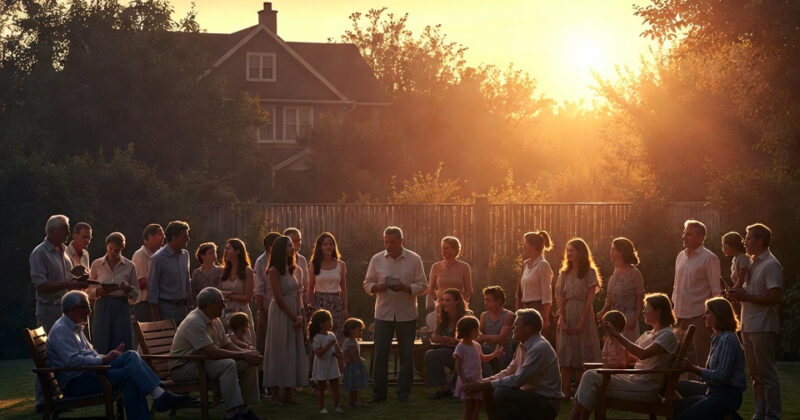
What elevates ‘Parenthood’ is its refusal to make any character wholly a hero or a villain. With every episode, the Bravermans earn both your patience and your frustration. That tension—much like actual family life—keeps every subplot grounded and vivid. Watching the family gather in their iconic backyard dinners, viewers can’t help but recognize echoes of their own messy, loving kin.
Dynamics That Reflect Modern Realities
‘Parenthood’ goes far beyond surface-level drama. Adam and Kristina’s experience raising Max, who is diagnosed with autism, brings authentic visibility to neurodiversity on television. Later, the show tackles Kristina’s breast cancer journey, and Hattie’s coming out as bisexual—narratives rarely treated with as much nuance or empathy elsewhere on network TV. Meanwhile, Crosby’s bond with Jasmine and their son Jabbar manages to be both heartfelt and refreshingly free from melodrama.
Every couple, from Joel and Julia’s infertility challenges to Sarah’s return home with her teens, showcases diverse family structures without judgement or preachy undertones. There is drama, yes, but never at the expense of character or respect. In a standout episode, Zeek’s connection with his adopted grandson Victor, forged through their shared love for classic cars, encapsulates the series’ gift for creating moments that are both intimate and universal.
Star Power and Guest Surprises
The ensemble cast is a television lover’s dream. Lauren Graham brings a raw new energy as Sarah, shifting far from her Gilmore Girls persona. Peter Krause (of Six Feet Under) grounds Adam with trademark intensity, while Dax Shepard nails Crosby’s comedic and vulnerable sides. Mae Whitman and Miles Heizer shine as the next generation struggling to carve their own identities. And any list of highlights would be incomplete without recurring performances from Michael B. Jordan, Ray Romano, and Minka Kelly, whose arcs add even more texture to the already rich cast.
Cultural Impact and Where to Watch
As conversations around family, identity, and representation continue to evolve in series like Succession or This Is Us, ‘Parenthood’ holds its ground as a blueprint for emotionally intelligent, inclusive storytelling. Its approach is a benchmark for any show aiming to balance heart and realism—a rarity that’s stood the test of time.
For anyone seeking a show that brings together laughter, tears, and a cast brimming with familiar faces, ‘Parenthood’ is a top-tier recommendation. Whether you’re discovering it for the first time or revisiting old episodes, the Bravermans have a way of making everyone feel like family, reminding viewers why stories like these never go out of style.