The Striking Evolution of Paul Atreides in Dune: Part Three
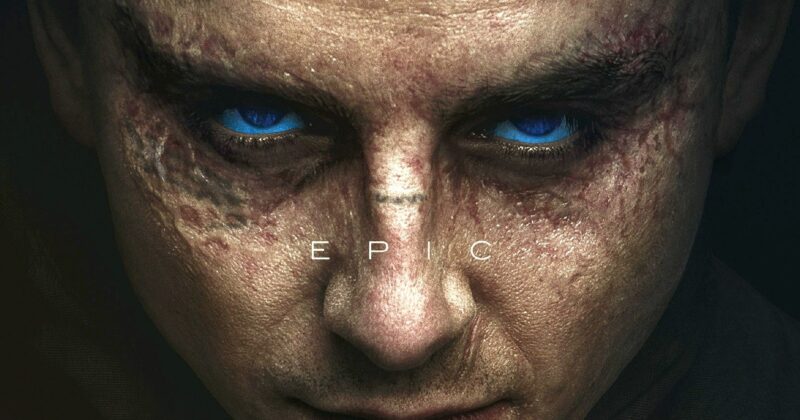
The first glimpses of Dune: Part Three set a visually electrifying tone, with Paul Atreides—played once again by Timothée Chalamet—appearing dramatically changed. Those mesmerizing blue eyes, a result of long-term exposure to the spice melange of Arrakis, are now more intense than ever, marking Paul as one with the Fremen. For those embedded in sci-fi lore, these are the unmistakable ‘blue-in-blue’ eyes, iconic to Herbert’s universe and forever associated with spice addiction’s gifts and burdens.
Why Are Paul’s Eyes So Different Now?
Across the Dune saga, Paul’s transformation is deeper than just politics or power. The intensity of his blue eyes signals more than Fremen acceptance; it’s a badge of heavy spice use, signifying how the substance has become woven into his destiny. But what surprises fans in the latest promotional character posters isn’t just the color—it’s the prominent scars encircling his haunting gaze. Unlike earlier films where his skin was unmarked, these scars instantly spark discussion among both casual viewers and die-hard fans who know the Dune books.
So, why these scars? The narrative takes a major time leap between the previous chapter and this installment. In the source material, specifically ‘Dune Messiah,’ Paul has ruled as Emperor for years, and his battle-worn body reflects the toll: hardened muscles, added leaness, and—most pointedly now—scarring. These marks visually indicate the passage of time and the toll of constant spice consumption, which for Paul has approached two decades by the events depicted now.
The Anatomy of Paul’s Scars: Spice, Desert, and Stillsuits
Frank Herbert’s writing provides nuanced references that smartly explain Paul’s altered appearance. In ‘Dune Messiah,’ Paul describes seeing ‘blue-blue Fremen eyes, mark of spice addiction; a sharp Atreides nose,’ but also notices the physical signs of his lifestyle. Besides attributing the scars to spice’s extended effects, the novel highlights another unique Arrakis detail: ‘sandtracks.’ Chani, his beloved, is said to have faint lines at the edges of her eyes caused by relentless desert exposure. These marks—the result of the planet’s brutal environment—suggest that Paul’s scars are not only from what’s inside but also from years surviving the punishing sands.
The details go even deeper: The Dune: Part Three posters cleverly display impressions from Paul’s stillsuit—a Fremen survival essential. Markings around his nose and eyes, where the tube connects to his skin, emphasize a life lived in the unforgiving wilds of Arrakis. These visual cues aren’t just costume details for the sake of realism; they’re storytelling devices revealing Paul’s hardship, his relentless fight, and his complete immersion in both the spice and the desert.
The Symbolic Power of Paul’s Eyes in Dune Lore
The focus on Paul’s eyes is more than just aesthetics. For those who’ve followed both the books and the previous films, the emphasis hints at storylines filled with vision, foresight, and the tragic weight borne by messianic figures. His eyes don’t just see—they witness possible futures tied to the power of prophecy that defines Paul’s arc. This season, marketing already draws attention to his gaze, foreshadowing narrative twists that have long piqued the curiosity of Dune scholars and newcomers alike.
There’s added speculation that Paul’s scarred visage directly connects to deeper secrets held in ‘Messiah.’ Without spoiling major plot points, the scars and blue eyes can be deciphered as a living map of where he’s been, and where he fears he might be headed. For longtime readers, these are clues pointing toward conflicts between the seen and the unseen, vision and blindness, power and vulnerability.
Looking Ahead: Why These Visuals Matter for the Dune Legacy
With Denis Villeneuve returning to direct, and a cast including Florence Pugh, Anya Taylor-Joy, and Zendaya, Dune: Part Three stands as a crowning moment for modern science fiction cinema. Every character detail is executed with purpose, honoring both Herbert’s original vision and contemporary storytelling standards. Paul’s eyes—now vividly marked by spice, scars, and sand—become not only a visual focal point but a narrative one, representing his journey’s cost and hinting at the high stakes that will define this new chapter in the Dune legacy.