Why Peacock’s ‘Saved by the Bell’ Revival Deserved a Third Season
Reimagining a ’90s Classic for a New Generation
When Peacock announced its revival of the beloved ‘Saved by the Bell’, expectations were sky high. The original series had defined an era of feel-good high school comedies, influencing a generation of viewers and inspiring countless memes and references in pop culture. Reviving it was not just a matter of nostalgia—it was an opportunity to bridge the gap between old fans and new audiences.
Bringing Back Bayside—With a Modern Twist
The reboot wasted no time placing itself firmly in the present. Set decades after Zack and Kelly’s iconic wedding, viewers were reintroduced to Bayside High, now dealing with the real-world consequences of inequality in education. Zack Morris, no longer just a lovable troublemaker, now serves as Governor of California. His political decisions spark a social experiment: transferring students from underfunded schools into more affluent districts, bringing starkly different backgrounds together inside Bayside’s familiar halls.
This shift wasn’t just a vehicle for new plotlines—it was a bold commentary on the realities of the American education system, handled with a satirical edge that felt both timely and respectful of the original show’s legacy.
A Rare Balancing Act: Old vs. New
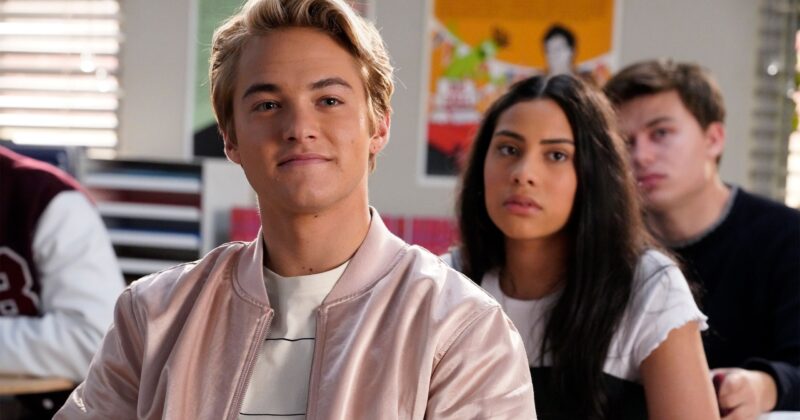
Unlike many revivals that either lean too heavily into nostalgia or sever all ties with their source material, ‘Saved by the Bell’ found a rare equilibrium. The series offered plenty for longtime fans: almost all core cast members returned, reprising their roles but developed in ways that reflected real change over the years. Yet, the show remained fresh and nimble, introducing dynamic new characters who weren’t just extensions of their predecessors but unique voices in their own right.
This blend was possible thanks to a clever writing team that was self-aware but never overly meta. The show frequently poked fun at its own legacy, yet anchored its comedy in the very real problems its characters faced. It was a balancing act few reboots manage to pull off—smart, playful, but deeply invested in the world it was creating.
Cultural Resonance and Critical Acclaim
By its first season’s end, the reboot had achieved an impressive 76% score on Rotten Tomatoes, a figure that soared to a perfect 100% in the second season. This rapid critical ascent spoke volumes about the creators’ ability to connect with viewers both old and new. Of course, the ratings weren’t just a pat on the back—they reflected genuine engagement and proof that the show was not only honoring its roots but evolving them for a 2026 audience.
Why One More Season Would Have Mattered
With a cast that blended veterans like Mark-Paul Gosselaar and Tiffani Thiessen with rising stars, and direction from talents such as Trent O’Donnell and Katie Locke O’Brien, the series showed all the signs of hitting its creative stride. Its abrupt cancellation felt more like an industry decision than a creative one—the world of Bayside was simply too vibrant and the audience too responsive for the show to have run out of stories.
Reviving the show for a third season could have deepened its examination of current issues, further developed its intergenerational relationships, and cemented its status as one of the rare reboots that both respected nostalgia and pushed forward into fresh territory. For now, the reboot stands as a modern experiment in what happens when a classic formula is treated with respect, humor, and timely relevance.