The Hypocrite No One Saw Coming in ‘The Drama’
As audiences flock to A24’s latest cinematic talkpiece, ‘The Drama’, a wave of reactions has exploded across social platforms—and it’s not just for the electrifying performances by Zendaya and Robert Pattinson. Instead, the character of Rachel, portrayed by Alana Haim, has become the epicenter of debate and fiery takes, and with good reason.
The Table of Secrets: Where Morality Gets Weaponized
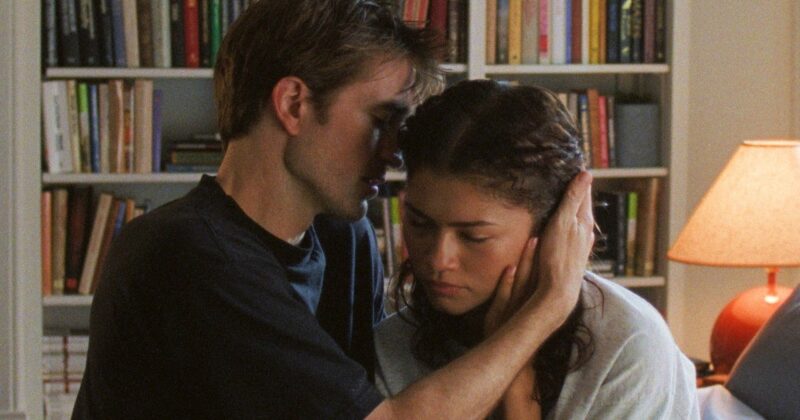
‘The Drama’ sets itself apart from conventional relationship dramas by throwing its ensemble into a pressure cooker—literally a dinner table—where everyone is asked to confess the worst thing they’ve done. This setup, reminiscent of classic bottle episodes in TV history, becomes a cauldron of judgement, guilt, and twisted empathy. Each character is forced to drop their mask, but none more so than Rachel, the appointed maid-of-honor to lead couple Emma (Zendaya) and Charlie (Robert Pattinson).
Rachel’s moment comes after she prompts the group to exchange their secrets, bringing out stories both mundane and monstrous. Unlike Emma, whose dark confession is weighed down by visible remorse, Rachel’s reveal bridges a much colder line—she trapped a neurodivergent child in a closet, didn’t tell anyone he was missing, and later dismisses the trauma as a ‘joke’ because the child turned up safe. This is not just a misstep; it’s an act echoing the darkest corners of ensemble drama, where everyday cruelty is normalized and minimized.
Fans Declare Rachel ‘The Villain’—And The Debate Only Grows
The reaction from early viewers has been fierce and immediate. On X, users have branded Rachel as ‘insufferable’ and the real antagonist of the film. Sharp commentary points out her relentless moral superiority complex—one that has caused a backlash rarely seen for a supporting role. Posts underscore her hypocrisy, noting how Rachel spearheads the group’s judgement of Emma while conveniently ignoring the reprehensibility of her own actions. One viral comment summed it up: ‘Who gets the benefit of the doubt? Who is allowed nuance, and who gets flattened to their worst moment?’
Rachel’s manipulations don’t stop at her confession. She weaponizes Emma’s secret, reminding Emma that her cousin was a victim of gun violence, loading the situation with performative outrage while maintaining her position above reproach. This is an age-old narrative device—think of Claire Underwood’s duplicity in ‘House of Cards’ or the twisted logic that made Amy in ‘Gone Girl’ so irresistible and infuriating. ‘The Drama’ wields Rachel’s duplicity not just for shock, but to interrogate the very fairness of judgement—who stands trial in the court of public opinion, and why?
A24’s Signature Edge: Why This Controversy Matters
Kritoffer Borgli, continuing his collaboration with A24 after ‘Dream Scenario’, brings a slick use of uncomfortable authenticity to this feature. The polarized buzz is a testament to the lingering power of the film, a modern parable about the ethics of confession and the cost of moral performance in close circles. The dynamic between Rachel and Emma feels almost meta—a snapshot of how the internet, film criticism, and even fandoms dissect personal morality narratives in real-time, often granting complexity to those we sympathize with and mercilessly condemning those we do not.
The Performances and Psychology Behind the Outrage
Alana Haim’s cold, matter-of-fact delivery lands her role as one of recent cinema’s most quietly chilling antagonists. Highlighted through ensemble confrontation and narrative twists, Rachel’s arc is buoyed by the script’s refusal to give her easy redemption. In a media landscape that often softens responsibility for complex women characters, ‘The Drama’ resists, armed with sharp dialogue and thorny psychology reminiscent of prestige dramas like ‘The White Lotus’ and ‘Big Little Lies’.
Audiences have been drawn to compare and contrast the group’s confessions, which only heightens Rachel’s moral ambiguity. The narrative’s refusal to outright punish or justify her actions leaves viewers with an uncomfortable question: who, among us, isn’t performing some version of superiority, however subtle?
The Aftermath: An Open Debate, Not a Moral Verdict
‘The Drama’ is already polarizing but stands out for its commitment to character depth and contemporary relevance. With critical acclaim and heated fan discussion swirling around Rachel, this film is set to become a cornerstone in conversations about blame, empathy, and the new rules of storytelling—where the antagonist may be sitting right next to the hero, and sometimes, we’re not sure who deserves our forgiveness.