Why ‘Return of the Mandalorian’ is Essential Viewing Before ‘The Mandalorian & Grogu’ Hits Theaters

Return of the Mandalorian: The Hidden Prequel to The Mandalorian & Grogu
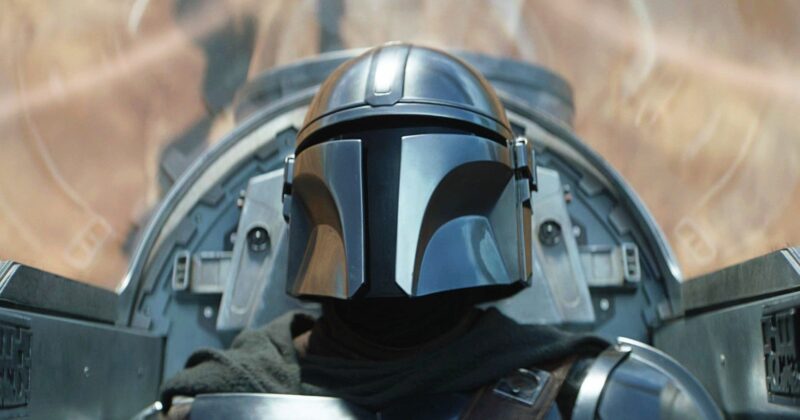
Star Wars is about to return to theaters, and anticipation is sky-high for The Mandalorian & Grogu. For fans eager to catch every narrative thread, there’s an episode that stands as the unofficial prelude—’Return of the Mandalorian’, featured memorably as Chapter 5 of The Book of Boba Fett. This chapter doesn’t just reintroduce Din Djarin after a pivotal series finale; it distills the spirit of Star Wars storytelling down to its most essential elements, setting a high bar for what the upcoming film must deliver.
Cinematic Roots and Emotional Resonance
Directed by Bryce Dallas Howard, ‘Return of the Mandalorian’ turns the spotlight squarely onto Din Djarin, exploring the aftermath of his separation from Grogu. This emotional core is what makes Star Wars resonate: the unbreakable bond between a lone warrior and his unexpected charge. Even with Grogu absent, the episode is saturated with feeling—loss, loyalty, and the stirrings of hope. These themes run deeper than simple fan nostalgia; they’re the narrative backbone that the new film should lean into, rather than dispersing its focus among too many side plots or political subtexts.
Action and Visual Identity
The action choreography in this episode redefines what Star Wars combat can look like on screen. With Djarin wielding the darksaber—still mastering its weight, its balance, its power—the sword fights feel anything but routine. Unlike the balletic, almost supernatural grace of Jedi blade-work, Djarin’s battles are grounded, raw, and refreshingly human. These scenes don’t just dazzle; they bring new dimension to the lore, reminding us that the galaxy is inhabited by characters of all backgrounds and abilities, not just Force-sensitives.
On the visual front, ‘Return of the Mandalorian’ impresses with its depiction of the Glavis Ringworld and a richer, more textured Tatooine. The episode offers a masterclass in using practical effects, nuanced color grading, and dynamic lighting—a stark contrast with some past Star Wars series, where iconic worlds have occasionally felt sterile or uninspired. Especially noteworthy is the invocation of classic motifs—such as podracing circuits reminiscent of Anakin’s childhood—that serve as subtle nods rather than overwhelming fan service.
Fan Service Done Right
Balancing nostalgia with originality can be tricky, yet this episode executes it with finesse. Every callback—from Djarin’s routes across the desert to brief glances at familiar technology—feels earned, never forced. There are little easter eggs sprinkled throughout, but the story itself stands strong, using the broader galaxy’s mythology to enrich its own narrative, rather than propping itself up on it. It’s a template for how The Mandalorian & Grogu can delight devoted fans and first-time cinema-goers alike without losing storytelling focus.
What The Mandalorian & Grogu Can Learn
As the franchise launches back onto the big screen, it faces the challenge of justifying its cinematic scale rather than feeling like an extended streaming episode. This is where the lessons from ‘Return of the Mandalorian’ become crucial. The film should spotlight the duo’s relationship, keep visuals on par with blockbuster standards, and resist the urge to clutter the story with too many branching subplots or cameos. Notably, early trailers suggest we’re in for sweeping visuals and an intensely personal story, all hinting at a production that’s learned well from the highlights of its small-screen predecessor.
The cast, including Pedro Pascal, Sigourney Weaver, Jeremy Allen White, and Steve Blum, promises fresh dynamics alongside the reliable core. Fans can expect not just galaxy-spanning adventure, but a deeper exploration of what makes Mandalorian culture—and found family—resonate so deeply within modern pop culture.