The Lost Potential of Riverworld: Sci-Fi’s Most Ambitious Afterlife
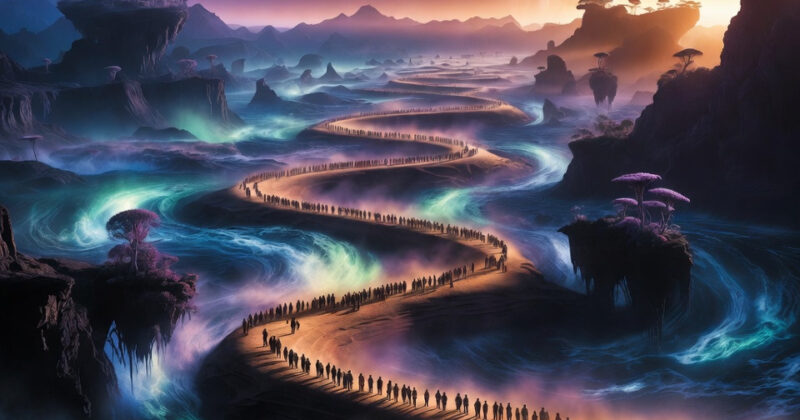
Science fiction fans know that some worlds are just too big, too weird, or too imaginative to be squeezed into the confines of a standard TV movie. Philip José Farmer’s Riverworld is one of those universes—a place where every person who ever lived is resurrected along the banks of a colossal alien river. Imagine Alexander the Great debating Mark Twain, or a Neanderthal sharing a meal with Joan of Arc, all trying to discover who or what brought them here—and why. The possibilities for character drama and historical mash-up are endless, which is precisely why the limited adaptations so far have frustrated genre enthusiasts and newcomers alike.
The New Wave of Sci-Fi and Farmer’s Legacy
Modern science fiction would not be the same without the bold experimentation of the 1960s, when the so-called «New Wave» writers pushed for deeper, more personal narratives. Philip José Farmer was ahead of this curve, exploring taboo subjects and complex philosophical dilemmas before they became common in the genre. Long before sci-fi TV entered its prestige age, Farmer used stories like ‘The Lovers‘ and the Riverworld books to challenge readers’ expectations. Instead of just spaceships and aliens, he gave us explorations of human morality, identity, and the reinvention of society itself.
What Makes the Riverworld Concept So Unique?
The main hook of Riverworld—resurrecting all of humanity at once—puts it in a league of its own. The series opens with Sir Richard Francis Burton, the controversial explorer and linguist, awakening naked on the riverbank. From there, he encounters everyone from ancient warriors to modern poets. Farmer ingeniously leverages the clash of eras and personalities as the central engine for drama, philosophy, and even action. With endless new settings along the river’s length and no shortage of historical figures to introduce, the narrative can shift tone, themes, and locations with the freedom no other series can truly match. Fans of ensemble-driven shows like Lost or even the sprawling communities of Westworld will recognize how this format could thrive on television today.
The Attempts That Fell Short
It’s not for lack of interest that Riverworld hasn’t taken off on screen. The SyFy Channel tried twice to adapt the novels, first as a pilot in the early 2000s and then as a feature-length miniseries filled with impressive talent—Tahmoh Penikett, Laura Vandervoort, Alan Cumming, and a script from Star Trek mainstay Robert Hewitt Wolfe. Despite these advantages, both attempts failed to capture the wild breadth of Farmer’s imagination. The 2010 miniseries, in particular, drew criticism for its shallow character arcs, limited set pieces, and a surprising shift that reinvented Burton from the original’s protagonist to a more conventional antagonist. Instead of diving into the ethical murk at the heart of Riverworld, the adaptations played it safe—and fans felt it.
Can Riverworld Be Resurrected for Today’s Streaming Era?
If the recent renaissance of prestige television proves anything, it’s that genre shows thrive when given room to develop complex, interconnected stories. Game of Thrones built empires with historical and fictional crossovers, while Foundation brought high-concept sci-fi to streaming audiences eager for cerebral tales. Riverworld is perfectly poised for a similar treatment. The questions at its heart—about life, death, redemption, and the fundamental clash of worldviews—are more relevant than ever. Imagine the production values of today’s top sci-fi series brought to a world where Julius Caesar could outwit a samurai under an alien sun, and centuries of human conflict play out anew in an unending landscape.
What Would a True Riverworld Adaptation Need?
- Courageous, Literary Storytelling: No watering down tough characters or content; keep the challenging ethics intact.
- High-Profile Showrunners Who Love Sci-Fi History: Someone who appreciates both spectacle and philosophy.
- Diverse Casting and Production Design: The riverbank is home to every culture, race, and epoch.
- Serialized Structure: Lean into the mysteries of resurrection and inter-character intrigue that fueled the books, instead of racing through plot points.
There’s a reason Riverworld captures the imagination of every generation that discovers it. In the age of streaming powerhouses and cinematic narrative ambition, this classic deserves more than another forgettable miniseries. It’s time to reimagine Riverworld as the true science fiction epic it was always meant to be.