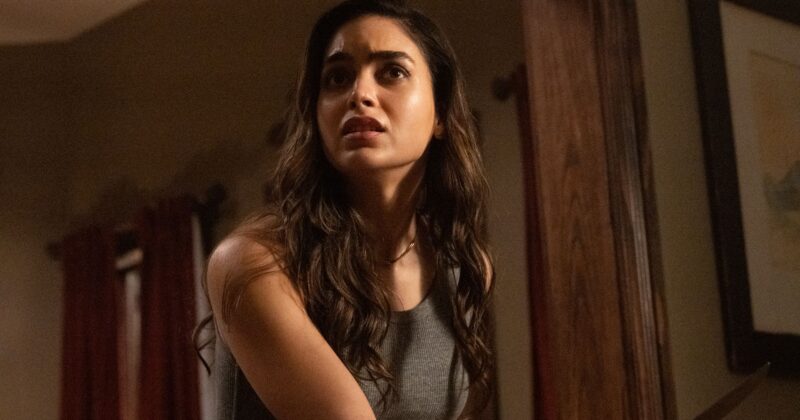
Sam Carpenter: A Disruptive Force for the Final Girl Archetype
When Scream returned with its recent installments, expectations were high for the next evolution in slasher cinema. What few anticipated, however, was just how deeply Sam Carpenter would reshape the decades-old «final girl» trope. Stepping into a franchise long dominated by Sidney Prescott, Sam wasn’t just a new protagonist—she was a character steeped in uncertainty and complexity rarely seen in mainstream horror.
The Loomis Legacy: Darkness in Her Blood
One of the most compelling aspects of Sam is her direct connection to Billy Loomis—the original Ghostface. Unlike traditional final girls—think Laurie Strode in Halloween or Nancy Thompson in A Nightmare on Elm Street—Sam’s lineage is tainted from the start. The audience is relentlessly teased with visions of Billy, an internal conflict that draws heavily from psychological horror and continually raises the stakes: will Sam resist the darkness or embrace it?
This wasn’t simply a plot device. Sam’s struggle became the heart of each film, making viewers ask impossible questions about nature, nurture, and the fine line between survivor and suspect. When Sam dons the Ghostface mask herself, even momentarily, the series invites viewers to imagine a horror future where the final girl and the slasher are one and the same—a true subversion of the genre.
The Sibling Dynamic: Beyond Solo Survival
Sam Carpenter never navigated these perils alone. Her relationship with her sister, Tara, provided an emotional core that fans of horror seldom see. Together they formed the story’s «core four,» but it was the unique sisterly bond—protective yet fraught—that set these chapters apart from the original quadrilogy. The dynamic offered room for intense emotional storytelling, with Sam’s fierce loyalty threatening to spiral into obsession.
Thanks to the electrifying chemistry between Melissa Barrera and Jenna Ortega, audiences witnessed not only survival but growth, sacrifice, and transformation. The possibility constantly lingered: if Sam lost herself to her haunted legacy, could Tara rise as the next true survivor? This duality kept the narrative fresh and unpredictable.
Modern Turbulence: Real-World Controversies Shape the Franchise
The casting of Sam and her rapid ascension to lead were bold moves. Just as audiences became invested in her journey, off-screen controversy intervened, leading to the dismissal of Melissa Barrera and, subsequently, the departure of Jenna Ortega. This real-world drama left the future of Scream in uncertainty, underscoring the delicate relationship between star power, social commentary, and enduring franchises in today’s entertainment industry.
The Carpenter Sisters and the Future of Scream
With Sam and Tara at its center, Scream charted new territory—not just in body count or creative kills, but in thematic depth and character study. The franchise shifted from pure whodunit terror into layered psychological suspense, driven by the ever-present question: can trauma be a weapon, and who deserves to wield it? Sam Carpenter’s character, forged from bloodline and heartbreak, remains one of the most fascinating evolutions in horror’s final girl legacy and a testament to the genre’s capacity for reinvention.