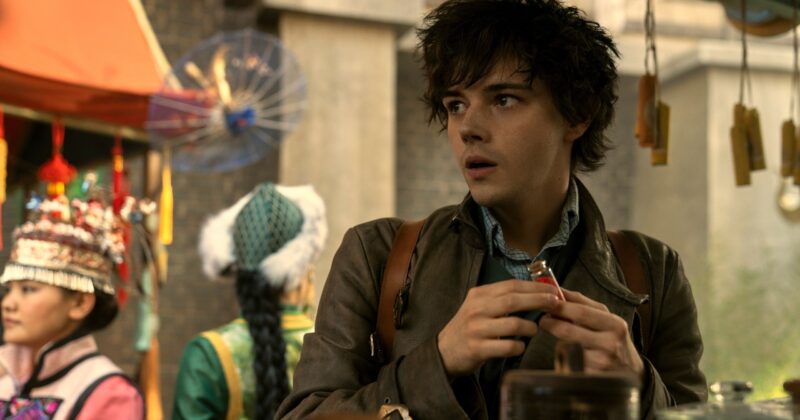
Why ‘Shadow and Bone’ is Netflix’s Most Ingenious Magic Series for Fantasy Fans
Shadow and Bone: The New Standard in Magical World-Building on Netflix
The fantasy genre has never been more alive, with stories of rebellion, mystery, and power reshaping streaming platforms worldwide. But few series manage to craft a magic system as intricate and captivating as Netflix’s Shadow and Bone. Born from the pages of the beloved Grishaverse novels, this two-part epic stands out with a unique blend of supernatural power and socio-political commentary—imagine the immersive world-building of Harry Potter mixed with the high-stakes survival of The Hunger Games, but with a depth all its own.
The Grisha: A Magic System as Complex as Its Characters
At the heart of Shadow and Bone lies the Grisha—the wielders of the mysterious Small Science. Rather than following the trope of limitless, undefined powers, every Grisha’s abilities are meticulously categorized:
- Corporalki: Experts in manipulating the human body, capable of everything from healing wounds to inflicting devastating harm. Within Ravka’s militarized society, these Grisha are revered as both healers and warriors.
- Etherealki: Masters of natural elements. This order, which protagonist Alina Starkov belongs to, can summon fire, water, wind, and even sunlight itself.
- Materialki: More overlooked, but equally vital, these Grisha manipulate physical materials—crafting weapons, fabrics, and objects that redefine the boundaries between magic and science.
Each order branches into specialized subdivisions, reminiscent of the famous Hogwarts houses but driven by purpose and practical application rather than personality. This structure not only fuels dynamic conflict and alliances within the story, but also adds layers to Ravka’s strict class system—a direct parallel to the social divides seen in the districts of The Hunger Games.
Teenage Revolution Meets Mystical Destiny
Unlike many fantasy series that use magic merely as set dressing, Shadow and Bone integrates it deeply into its anti-establishment narrative. The world isn’t simply enchanted—its magic fuels war, discrimination, and hope alike. Protagonist Alina Starkov is more than a chosen one; her discovery as a Sun Summoner not only disrupts the magical status quo, but also echoes the journey of other young dystopian heroes who fight impossible odds. The show’s world is harsh and divided, and Alina’s power places her under the scrutiny of multiple factions, making every personal victory both intensely intimate and politically charged.
What truly sets the series apart is how it makes the viewer question the usage of magic: Should raw power be used as a weapon, or can it heal a fractured world? It’s these lingering questions and the show’s refusal to give easy answers that elevate it beyond the typical fantasy fare.
What Could Have Been: The Expanding Grishaverse
Despite critical acclaim and an enthusiastic fanbase, Shadow and Bone was canceled after just two seasons, leaving viewers awash in unresolved storylines and tantalizing cliffhangers. The segment devoted to the ‘Six of Crows’ gang, for instance, had a planned spinoff—and with it, the potential to broaden the Grishaverse into even richer territory. With so much material left unadapted, its cancellation feels like unfinished business for fantasy fans craving stories that balance magical spectacle with gritty, character-driven drama.
Yet the ingenuity of the Grisha system—its laws, limits, and hierarchies—remains a masterclass in fantasy design. For anyone interested in magical storytelling that asks as many questions as it answers, Shadow and Bone is essential viewing, whether you’re chasing the next pop culture phenomenon or searching for a richly textured world to lose yourself in.