Why Springtrap’s Future in Five Nights at Freddy’s 3 Sparks Concern After The Marionette’s Portrayal

The Marionette’s Lost Scare Factor in the Latest Five Nights at Freddy’s Sequel
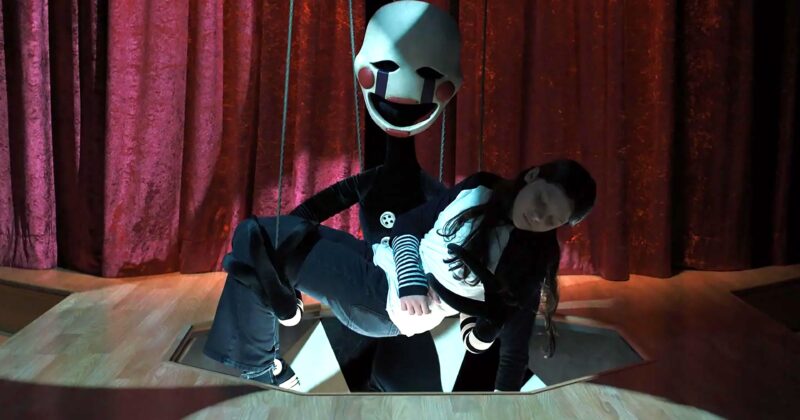
Fans expecting genuine chills from recent Five Nights at Freddy’s adaptations were left wanting, especially when it comes to the portrayal of the Marionette. Once a highlight of FNAF lore, with a design that oozes eerie charm and a backstory tied to the animatronics’ tragic origins, the Marionette’s cinematic treatment ended up underwhelming. Instead of lurking hauntingly in forgotten corners—the animatronic’s trademark in the games—the film delivered a version stripped of much of her allure and mystery.
Making the Marionette Less Mysterious
The Marionette’s strength has always been subtlety. In the games, every moment she isn’t visible ratchets up the tension. In the movie, however, the character is revealed too soon and too literally, with possession sequences that substitute nuance for over-the-top makeup cues: bone-white faces, exaggerated black lips, and glowing eyes. Sadly, this take pushed the Marionette from spine-chilling to almost cartoonish, diminishing what could have been iconic horror moments.
There also was a missed opportunity to leverage her audio-based haunting. The franchise has already established that chilling voiceovers delivered through static-filled speakers—like the FazTalker or the pizzeria’s announcement systems—make the Marionette’s presence linger even when she’s not on screen. This method could have maintained her enigmatic fear factor without sacrificing narrative innovation.
The Technical Artistry of Puppetry Was Wasted
One of the film’s visual triumphs was the animatronic puppetry, particularly when the Marionette emerged with subtle, menacing movements. These scenes only highlighted how effective a restrained approach could be. Showcasing the Marionette in rare, terrifying glimpses—looming in the background or appearing suddenly as characters explored the pizzeria—would have maximized tension, taking cues from classic horror strategies that avoid overexposure of their monsters.
Springtrap: Will History Repeat Itself?
With Five Nights at Freddy’s 3 on the horizon, all eyes are now on Springtrap. The post-credits reveal has all but confirmed that this infamous yellow rabbit will serve as the next primary antagonist. Character design looks promising, honoring the grotesque, decayed aesthetic that makes Springtrap instantly recognizable to FNAF devotees. But as experience shows, authentic design alone isn’t enough—writing and direction determine whether an antagonist becomes truly terrifying.
The concern stems from recent missteps: If Springtrap is tuned to theatrical jump-scares, or his mask is removed too often, there’s a risk of losing what makes him uniquely frightening. The FNAF games masterfully build dread by leveraging Springtrap’s silent, creeping approach, rather than loud, frenetic chases. A faithful on-screen adaptation would preserve this atmosphere, ensuring the villain stays an ever-looming threat.
Fans Want More Than Looks
It’s clear that viewers want more than faithful costumes—they crave the layered fear and slow-burning suspense that define FNAF’s best chapters. If handled with the same lack of restraint as the Marionette, Springtrap’s impact could be severely diminished, turning another horror favorite into little more than a spectacle.
As the franchise grows, maintaining character integrity and true horror storytelling will be essential. Fan reactions suggest that, even in a multimedia universe, the chilling silence and shadowy threats of the original games remain unbeatable. Springtrap stands at the threshold; whether he leaps out or lurks just beyond sight will define the success of the next chapter.